Water Rights for Homesteaders: Riparian vs. Prior Appropriation (2026)
How US water rights work for homesteaders: riparian vs. prior appropriation, well permits, rainwater rules, and what to check before buying land.
Written by Homestead Finder Editorial

Water is the make-or-break resource on any homestead. You can fix poor soil, build out fencing, and add solar over time, but if you can't legally get water to your crops, animals, and household, the property may not work at all. The hard part is that "owning the land along the creek" does not mean the same thing in every state. The United States runs on two very different water-rights systems, plus some hybrids, and the difference can decide whether a cheap parcel is a bargain or a trap.
This guide explains riparian rights, prior appropriation, and the hybrid systems in plain language, groups all 50 states by doctrine, and gives you a practical checklist to run before you buy. For the full picture on a specific state, see our state-by-state guides.
The Two Main US Water-Rights Systems
Riparian rights (the wetter Eastern states)
Under the riparian doctrine, the right to use water comes bundled with owning land that touches or contains it. If a creek runs through your property, or you have a spring or pond on it, you generally have the right to make "reasonable use" of that water. Neighbors who share the same waterway also share reasonable-use rights, so no single owner is supposed to drain the resource at everyone else's expense.
For homesteaders, this is the friendlier system. It is generally simpler, the right typically travels with the land, and a creek, spring, or pond on your parcel usually comes with the practical ability to use it for household needs, gardens, and livestock. Riparian states cluster in the East and Midwest, where rainfall is more reliable and surface water is more abundant.
Prior appropriation (the arid West)
Prior appropriation runs on a different principle: "first in time, first in right." Here, the right to use water is a separate property right from the land itself. It is allocated by seniority through a permit system, and the date you (or a previous holder) first put the water to beneficial use sets your priority.
This is where homesteaders most often get burned. Owning land along a river in a prior-appropriation state does not guarantee you can legally use that water. In a dry year, senior rights get filled first, and a junior right holder may legally receive nothing, even with a full river running past the property. Because the water right is separate from the land, it may or may not convey with a sale.
If you are buying in a prior-appropriation state, you must confirm three things before closing: whether a water right actually conveys with the property, what its priority date is, and what the rules are for drilling a domestic well. Skipping this step on cheap, dry land is the classic homesteading mistake.
Hybrid systems
A handful of states blend both doctrines. A common pattern is prior appropriation in the drier western part of the state and riparian principles in the wetter east. In these states, the rules can vary by region within the same state line, so local verification matters even more.
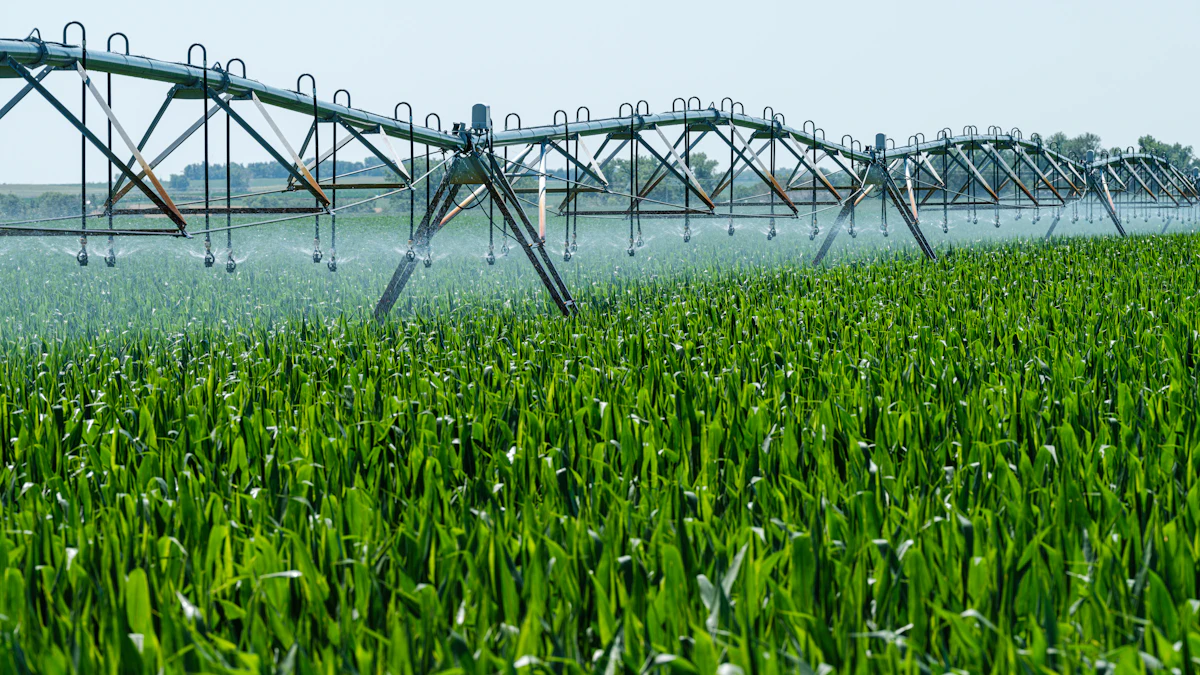
Water-Rights Doctrine by State
Use this table as a starting point. It groups states by their primary surface-water doctrine. Always confirm the specifics for the exact parcel and county you are considering.
| Doctrine | States |
|---|---|
| Riparian (Eastern/Midwest, generally homesteader-friendly) | Alabama, Alaska, Arkansas, Connecticut, Delaware, Florida, Georgia, Illinois, Indiana, Iowa, Kentucky, Louisiana, Maine, Maryland, Massachusetts, Michigan, Mississippi, Missouri, New Hampshire, New Jersey, New York, North Carolina, Ohio, Pennsylvania, Rhode Island, South Carolina, Tennessee, Vermont, Virginia, West Virginia, Wisconsin |
| Prior Appropriation (arid West, "first in time, first in right") | Arizona, Colorado, Idaho, Montana, Nevada, New Mexico, North Dakota, Oregon, South Dakota, Utah, Washington, Wyoming |
| Prior Appropriation + Rule of Capture | Texas (prior appropriation for surface water; "rule of capture" for groundwater) |
| Hybrid (mix of both) | California, Kansas, Minnesota, Nebraska (prior appropriation in the west, riparian in the east), Oklahoma |
| Special / Public Trust | Hawaii (riparian / public trust) |
The pattern is broad but consistent: the arid prior-appropriation West is where water complications are most common, and the riparian Eastern states are generally the easiest on water. If water security is your top priority, that geography is worth weighing heavily.
Groundwater and Well Permitting
Surface water is only half the story. Most homesteads also depend on a well, and groundwater rules vary widely from state to state, sometimes separately from the surface-water doctrine.
A few things to keep in mind:
- In many states, a domestic well for household use is treated more leniently than a well for commercial irrigation, but "lenient" does not mean "unregulated."
- Some states cap how much you can pump for domestic use, require a permit before you drill, or limit how many acres you can irrigate from a domestic well.
- Texas is a notable case: groundwater there follows the "rule of capture," which works very differently from its prior-appropriation surface-water system.
- Well-permit availability can quietly determine whether a remote parcel is livable at all, so confirm it before you fall in love with the view.
Because well rules and water doctrine often interact, check both for any property you are serious about.
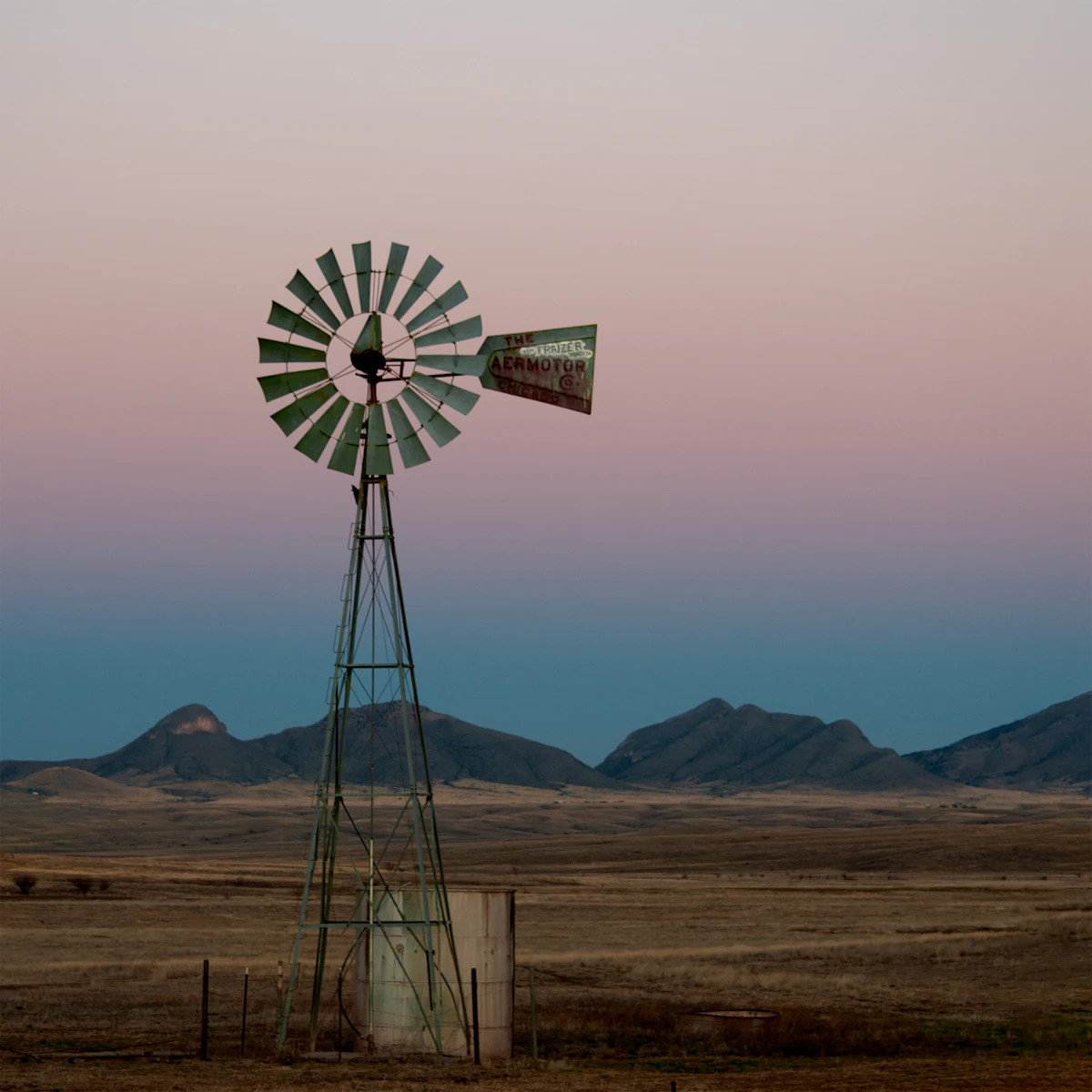
Rainwater Harvesting
Good news for most homesteaders: rainwater harvesting is legal in the large majority of states, and collecting rain off your roof into barrels or cisterns is a practical way to supplement your water supply. Our rainwater harvesting calculator estimates how many gallons your roof can collect from your area's rainfall. A small number of states regulate it, however, sometimes tying collection back to their water-rights framework, so it is worth a quick check rather than an assumption. If off-grid water independence is part of your plan, pair this with our guide on whether off-grid living is legal by state.
The Practical Buyer's Water Checklist
Before you make an offer on any homestead parcel, work through these questions. They apply everywhere, but they are most critical in prior-appropriation and hybrid states.
- Does a water right convey with the property? In prior-appropriation states, water rights are separate from the land and may not transfer automatically. Get it in writing.
- What is the priority date? A senior right is far more valuable and reliable than a junior one. In a dry year, seniority is what keeps water flowing to you.
- Can you drill a domestic well, and under what rules? Confirm permit requirements, pumping limits, and any acreage restrictions before assuming you can put in a well.
- What are the rainwater-harvesting rules? Legal in most states, but confirm if you are counting on it.
- Is there reliable surface water on or adjacent to the parcel? A creek, spring, or pond is a major asset in a riparian state and still worth understanding in an appropriation state.
- Has water ever run short here? Ask neighbors and local officials about dry-year history; paper rights mean little if the source itself fails.
Running this checklist is the single best way to avoid buying land you cannot actually live on.
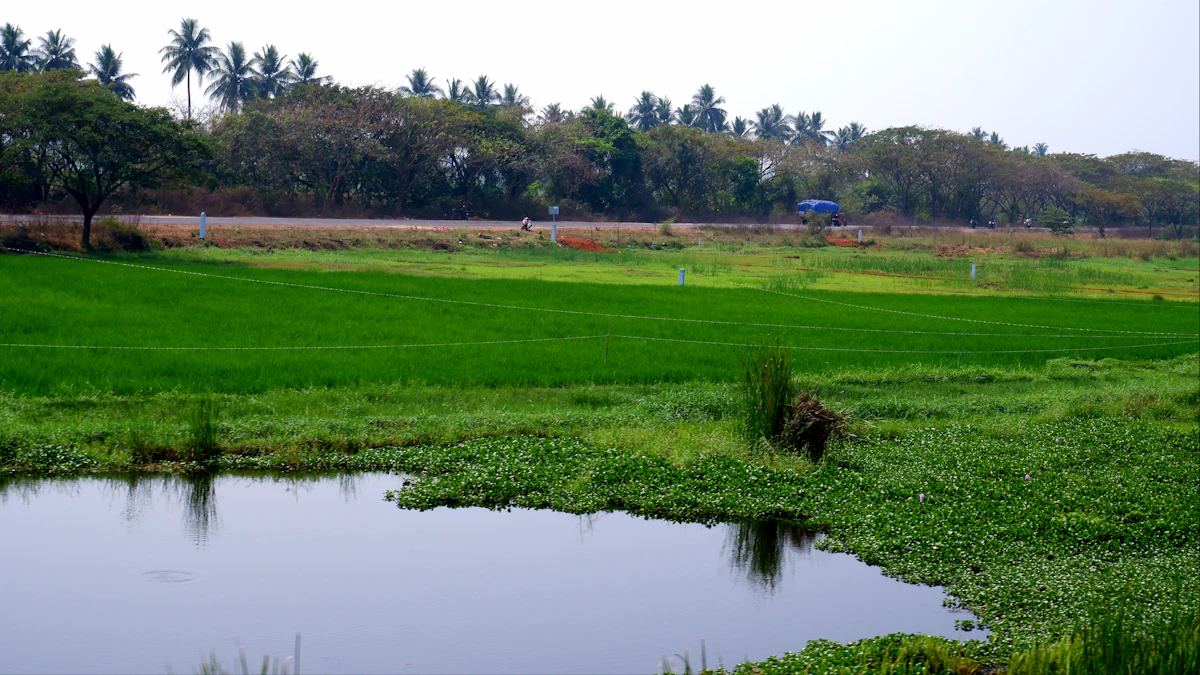
How This Fits Your State Search
Water doctrine is one factor among many, alongside land cost, climate, and off-grid legality. A few starting points:
- Many riparian states pair friendly water rules with reasonable land prices. See examples like Tennessee, Missouri, and Kentucky.
- If you are drawn to the West, go in with eyes open on appropriation rules. Compare states like Colorado and Arizona carefully on water before price.
- To balance water against affordability and overall fit, see our roundups of the best states for homesteading in 2026, the cheapest states to buy homestead land, and the best states for off-grid solar.
Frequently Asked Questions
Is riparian or prior appropriation better for homesteaders?
For most homesteaders, riparian states are easier to work with. The right to use water on your land generally comes with owning it, the system is simpler, and you are less likely to discover that the water running past your property is legally spoken for. Prior-appropriation states can still be great places to homestead, but they require far more due diligence on water before you buy.
If a creek runs through my land, can I always use the water?
Not necessarily. In a riparian state, you generally can make reasonable use of it. In a prior-appropriation state, the water in that creek may belong to a senior right holder, and you might have no legal claim to it even though it crosses your property. Always confirm your rights for the specific parcel and state.
Can I collect rainwater on my homestead?
In most states, yes, and it is a useful way to build water resilience. A small number of states regulate rainwater harvesting, sometimes connecting it to their broader water-rights rules, so confirm the rules in your target state before relying on it as a primary source.
Do water rights automatically transfer when I buy land?
In riparian states, the right typically travels with the land. In prior-appropriation states, the water right is separate property and may not convey with the sale at all. Confirm in writing whether any water right transfers, and what its priority date is, as part of your purchase.
A Note Before You Buy
This article is an educational overview, not legal advice. Water law is complex, changes over time, and varies not just by state but often by county, watershed, and individual parcel. Before you buy any homestead property, verify the water rights, well-permitting rules, and rainwater regulations locally, ideally with a qualified water-rights attorney or your state water agency. The right verification up front is what turns a hopeful purchase into a secure homestead.

 Your brand here — Reach our audience of professional directory owners and boost your sales.