Warmest States for Year-Round Gardening (2026)
Compare US states for year-round gardening by USDA zone, frost-free days, and climate trade-offs. Find the warmest states to grow food nearly all year.
Written by Homestead Finder Editorial
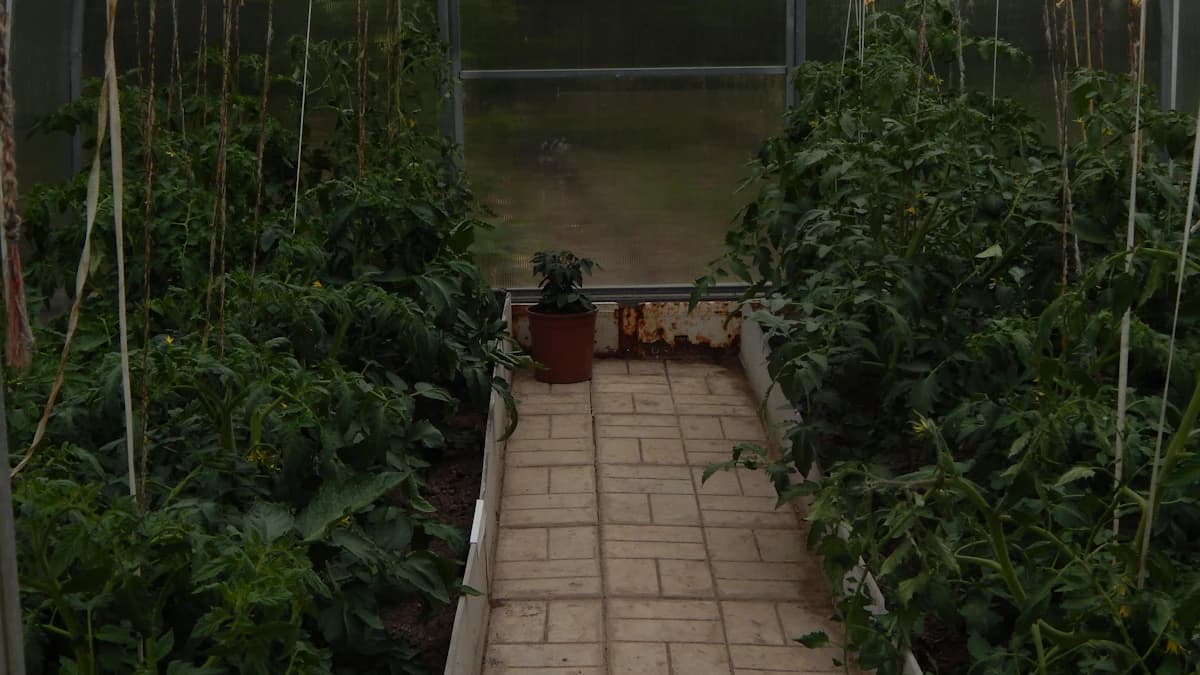
If your goal is to harvest something fresh from the garden in almost every month of the year, the states that make that realistic are clustered in the South and Southwest. The two factors that matter most are simple: how long your frost-free season runs, and how warm your USDA hardiness zone is. The longer the season and the warmer the zone, the closer you get to true year-round growing.
This guide ranks the warmest states for year-round gardening, pairing each with its USDA zones and growing-season length. It also stays honest about the trade-offs, because "warm" is not the same as "easy." The humid Southeast brings heat, fungal disease, and heavy pest pressure. The arid Southwest is warm but needs irrigation. Even in the warmest zones, you don't grow the same crops in January that you grow in July. Figures reflect 2026, and local climate varies, so verify conditions for your specific county before you plant.
What "Year-Round Gardening" Really Means
Year-round gardening does not mean tomatoes in December. It means the ground rarely freezes hard enough to stop you, so you can rotate through seasons of crops instead of shutting down for winter. In practice that looks like:
- Cool-season crops in winter: lettuce, kale, collards, broccoli, carrots, onions, and peas thrive in the mild winters of zones 9-11.
- Heat-tolerant crops in summer: okra, sweet potatoes, southern peas, peppers, and eggplant carry the hottest months when many vegetables stall.
- Shoulder seasons for everything else: spring and fall are when classic crops like tomatoes and squash do best in hot climates.
The phrase "year-round" is truest in USDA zones 9 through 11, where frost is rare or absent. In zone 8, you'll still get occasional freezes that knock back tender plants, but the season is long enough that a little row cover or a cold frame keeps you growing through winter. To see your frost windows and what to plant when, run your zone through our frost dates & planting calendar.
How We Ranked the States
The ranking weighs three things: the warmth of the USDA hardiness zone (zone 8 and up), the length of the frost-free growing season in days, and the practicality of actually gardening there once you account for humidity, disease, pests, and water needs. A state can be warm on paper but demand constant irrigation or heavy disease management in practice, and the notes call that out.
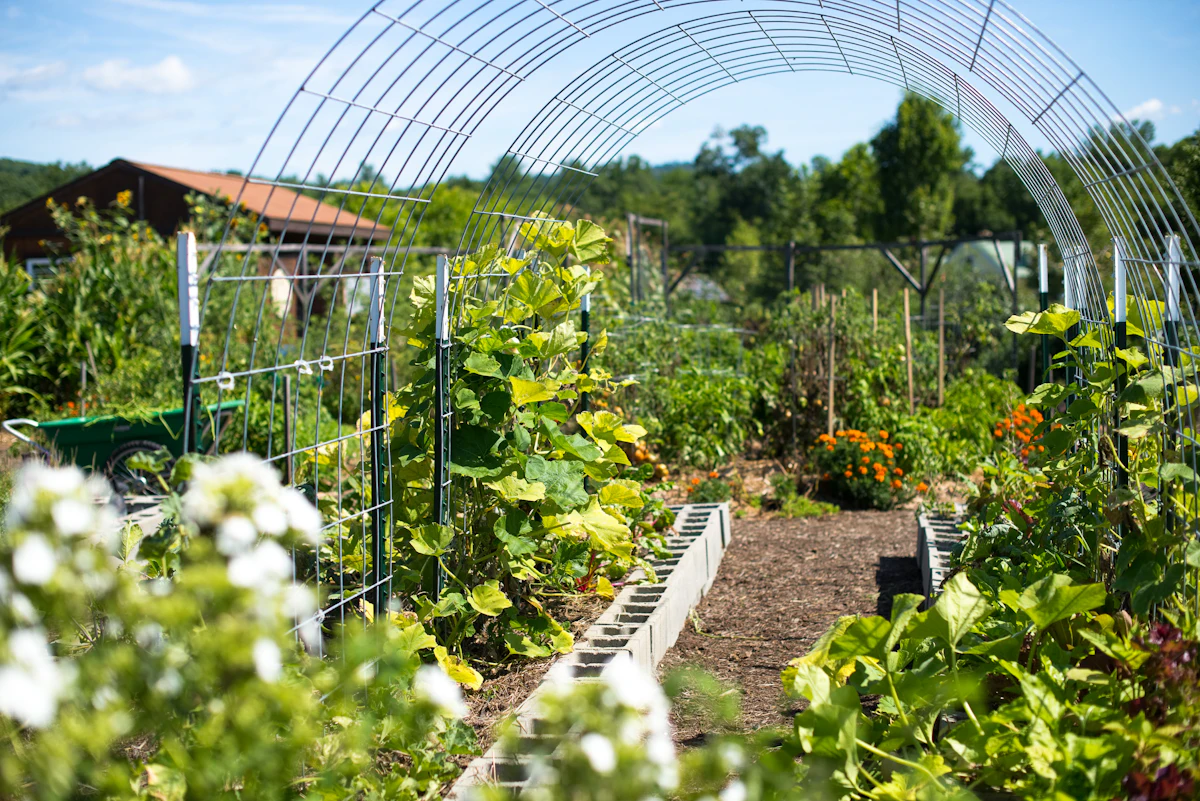
The Ranking: Warmest States for Year-Round Gardening
The table below lists each state's USDA hardiness zones, its typical growing-season length in frost-free days, and a short note on the climate trade-offs. Ranges are wide in big states because elevation and latitude shift the numbers a lot from one region to another.
| Rank | State | USDA zones | Growing season (days) | Note |
|---|---|---|---|---|
| 1 | Florida | 8a-11 | 240-365 | Warmest overall; true year-round in the south, but heat, humidity, and pests are intense |
| 2 | Hawaii | 10a-13a | ~365 | Year-round growing statewide, but land is expensive and off-grid options are restricted |
| 3 | Texas (south & Gulf coast) | 6b-10a | 240-300 | South Texas and the Rio Grande Valley garden near year-round; the panhandle is much colder |
| 4 | Louisiana | 8a-9b | 240-300 | Long warm season, but very high rainfall (50-65") drives fungal disease |
| 5 | California | 8a-10b | 200-365 | Mild coast plus the irrigated Central Valley; rainfall ranges from 6" to 100" by region |
| 6 | Arizona (statewide range) | 4b-10a | 180-365 | The low desert grows near year-round with irrigation; arid, only 3-45" rain |
| 7 | Georgia | 8a-9a | 200-240 | Warm and well-watered (45-55"), with summer humidity and pest pressure |
| 8 | South Carolina | 7b-9a | 210-250 | Long coastal season; inland areas see more frost |
| 9 | Alabama | 7a-8b | 220-260 | Solid season length; hot, humid summers favor disease-resistant varieties |
| 10 | Mississippi | 8a-8b | 200-220 | Consistently warm zone 8, with high humidity and 48-56" of rain |
You can compare these against every other state on our state-by-state homesteading map.
The Humid Southeast: Long Seasons, Hard Trade-Offs
Florida, Georgia, Alabama, Mississippi, South Carolina, and Louisiana share a long, warm growing season and plenty of rainfall. That combination grows food fast, but the same heat and moisture that drive growth also drive problems.
- Fungal disease: With 45-65 inches of rain a year in much of the region, leaf spots, blights, mildews, and root rots are constant threats. Choosing disease-resistant varieties is not optional here — it's the baseline.
- Pest pressure: A mild winter that's great for your garden is also great for insects. Without a hard freeze to reset populations, pests carry over year to year, so expect to manage them continuously.
- Summer heat: In the deep South, midsummer is often too hot for tomatoes and lettuce to set or stay sweet. Many gardeners use shade cloth, plant heat-tolerant crops, and treat July and August as a slower stretch rather than peak season.
Florida leads the list because the southern half of the state genuinely gardens year-round, but it asks the most in return: relentless humidity, sandy low-nutrient soils in many areas, and serious pest pressure. The payoff is a frost-free climate where citrus, tropical fruit, and winter vegetables all have a place.
The Arid Southwest: Warm, But Bring Water
Arizona's low desert and parts of California and Nevada flip the equation. The air is dry, fungal disease is far less of a problem, and the frost-free season can stretch most of the year. The catch is water.
- Irrigation is mandatory: Arizona's low desert gets only 3-45 inches of rain a year, and southern Nevada is similarly arid. Nothing grows year-round there without a reliable irrigation plan.
- Extreme summer heat: Low-desert summers are brutal enough that many gardeners pause tender crops in the hottest weeks and lean on the cooler shoulder seasons and winter for their main production.
- Water rights matter: In dry states, your legal access to water can shape what you can grow as much as the climate does. Before buying land, read our overview of water rights for homesteaders.
California earns a high spot because its range is enormous: the mild coast can grow something nearly all year, and the irrigated Central Valley is one of the most productive growing regions anywhere. But that productivity depends on water you have to supply and pay for.

Texas: It Depends Where You Stand
Texas spans zones 6b through 10a, which is a huge spread. South Texas, the Gulf coast, and the Rio Grande Valley garden close to year-round, while the panhandle has real winters and a much shorter season. Rainfall swings just as widely, from around 20 inches in the dry west to 55 inches in the east, so your gardening strategy in Texas is really a regional decision. For a full breakdown of climate, land, and rules across the state, see our homesteading in Texas guide.
A Note on Hawaii
Hawaii is the one place on this list where year-round growing is effortless from a climate standpoint, with roughly 365 frost-free days statewide and zones reaching well into the tropics. The trade-offs are not weather but cost and rules: land is expensive, and off-grid living options are more restricted than on the mainland. If you can clear those hurdles, the growing conditions are hard to beat.
Matching Crops to the Season
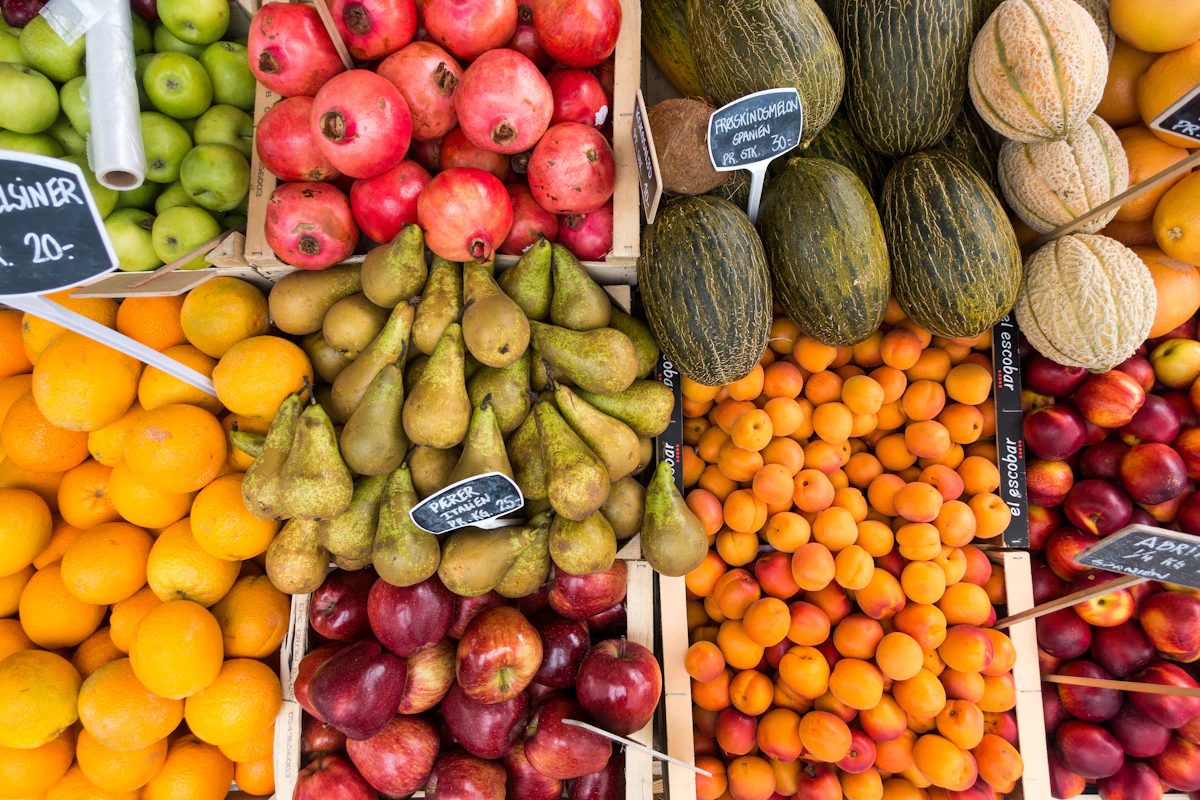
Wherever you land in the warm-climate band, the key habit is planting for the season you're in rather than fighting it:
- Winter (zones 9-11): lean into cool-season greens and root crops that sulk in summer heat.
- Spring and fall: the prime windows for tomatoes, squash, beans, and most familiar garden vegetables.
- Summer: switch to heat lovers like okra, sweet potatoes, peppers, and southern peas, and use shade cloth where the sun is punishing.
This rhythm is what makes a long season actually productive instead of just long.
2026 Note
USDA hardiness zones were last updated in 2023, and the warm-climate states above continue to reflect those boundaries in 2026. Zones describe average winter lows, not the full picture, so always cross-check local frost dates, summer heat, humidity, and water availability for your specific area before committing. Climate patterns and local conditions shift, and a county-level check beats any statewide average.
Frequently Asked Questions
Which state is best for true year-round gardening?
For climate alone, Hawaii and South Florida come closest, with frost-free conditions nearly every day of the year. Among the contiguous states, the southern half of Florida and South Texas lead. The best choice for you also depends on land cost, water access, and how much disease and pest pressure you're willing to manage.
Can you really garden through winter in zone 8?
Mostly, yes. Zone 8 still gets occasional freezes, so it's not truly frost-free, but the season is long enough that cool-season crops like kale, collards, carrots, and onions grow through winter, especially with row cover or a cold frame on the coldest nights.
Why is the warm, humid Southeast harder than it looks?
The same heat and rainfall that grow plants quickly also fuel fungal disease and year-round pests, since there's no hard winter freeze to reset populations. Success there depends on disease-resistant varieties, good airflow, shade in peak summer, and steady pest management rather than just a long season.
Do I need irrigation in the warm Southwest?
Yes. Arizona's low desert and southern Nevada are warm enough to grow much of the year, but they receive very little rain, so irrigation is essential. In dry states, confirming your legal access to water is as important as checking the climate.
Where to Go Next
A long growing season is one piece of choosing where to homestead, but it sits alongside land prices, taxes, water, and local rules. To see how the warm-climate states stack up on the broader picture, read our best states for homesteading in 2026. And before you size your plot around a year-round garden, our garden size calculator estimates the growing area you'll need from your household size, while our guide on how much land you need to homestead helps you plan the wider property realistically.

 Your brand here — Reach our audience of professional directory owners and boost your sales.