Raw Milk Laws by State: Where You Can Buy and Sell (2026)
A practical 2026 guide to raw milk laws in all 50 states, covering retail sales, on-farm sales, herdshares, and where it stays restricted.
Written by Homestead Finder Editorial
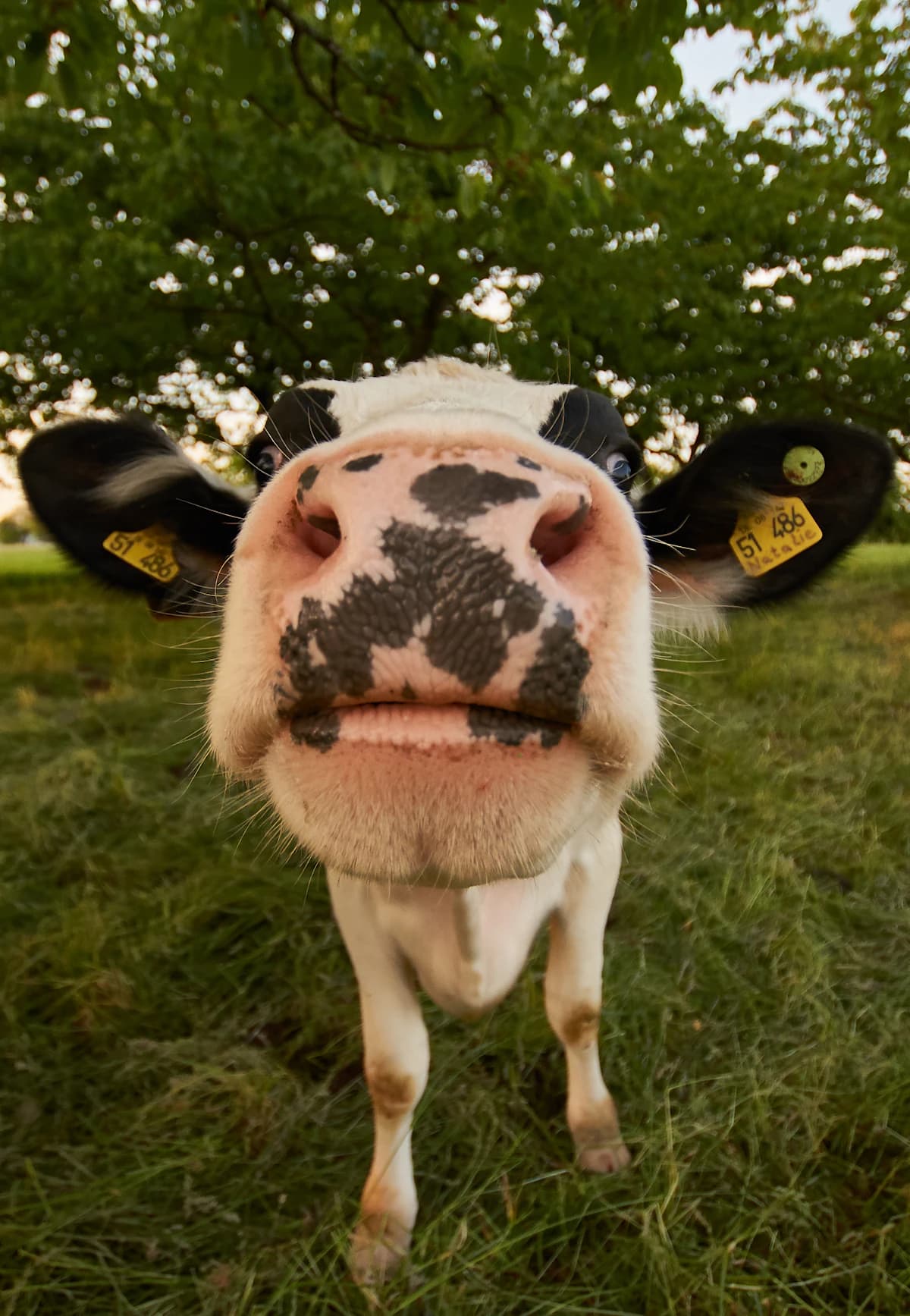
If you keep a family cow or a few dairy goats, one of the first questions you'll run into is what you can legally do with the surplus milk. Raw (unpasteurized) milk sits in a strange legal gray zone in the United States. Federal rules ban its sale across state lines for human consumption, but each state sets its own rules for what happens inside its borders. The result is a patchwork: in a handful of states you can buy raw milk off a grocery shelf, in many others you can only buy it at the farm gate, and in a few it's effectively off-limits unless you own a share of the animal.
This guide breaks down the common legal models, then classifies all 50 states so you can see at a glance where your state lands. If you're still choosing where to put down roots, it pairs well with our broader comparison of the best states for homesteading in 2026.
A quick, honest note before we dig in: raw milk carries a real risk of foodborne illness, because it skips the pasteurization step that kills pathogens like Listeria, E. coli, and Salmonella. Most public health authorities advise against drinking it, especially for children, pregnant people, the elderly, and anyone immunocompromised. That risk is yours to weigh. This article is about the law, not a recommendation to drink raw milk.
The Common Legal Models
Before the state-by-state table, it helps to understand the five broad frameworks states use. Most states fit cleanly into one of these, though the details vary widely.
Retail sales allowed (in stores)
This is the most permissive model. Raw milk can be sold in retail stores, like grocery stores or co-ops, alongside pasteurized products, usually subject to labeling, testing, and licensing requirements. Only a small number of states allow this.
On-farm / farm-gate sales only
Here, a farmer can sell raw milk directly to a consumer, but only at the farm itself, not through stores or distributors. This is the most common arrangement nationwide. It keeps the transaction between the person who produced the milk and the person drinking it, which is part of why regulators tolerate it. Quantity limits, signage, and "for personal use" labels are common conditions.
Allowed with licensing or registration
Several states permit raw milk sales but wrap them in a permitting or registration system, often combined with on-farm or limited direct sales, mandatory testing, and labeling. Practically, these states sit between the two models above: legal, but with paperwork and inspections.
Herdshare / cow-share agreements
In a herdshare (or cow-share), you buy a fractional ownership stake in the animal or the herd and pay a boarding or care fee. Because you technically own part of the cow, you're drinking your own milk rather than buying it. This is a workaround used in states that ban outright sales but allow private ownership arrangements. Some states explicitly authorize herdshares; others simply don't prohibit them.
Pet-milk-only or outright restricted
Some states only allow raw milk to be sold labeled "not for human consumption," typically as pet food. Others ban human-consumption sales entirely. In these states, a herdshare or a private arrangement may be the only legal path, if one exists at all.
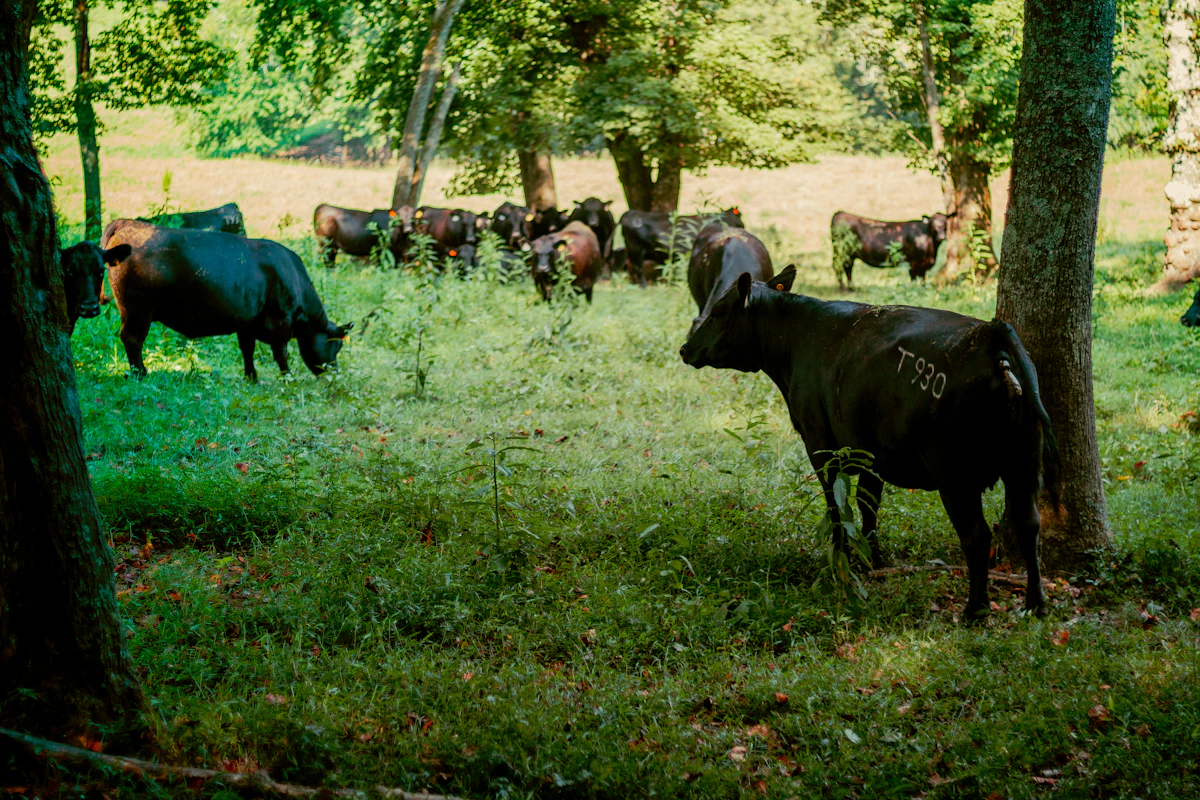
Raw Milk Laws by State (2026)
The table below sorts all 50 states into the model that best fits their current rules. Where a state's situation is nuanced, the notes column explains it. You can dig into any individual state, including its broader homesteading climate, on our state comparison pages.
| State | Category | Notes |
|---|---|---|
| California | Retail sales allowed | Raw milk available in stores, heavily regulated |
| Idaho | Retail sales allowed | Retail sales permitted under state rules |
| Maine | Retail sales allowed | Store and farm sales both allowed |
| Wyoming | Retail sales allowed | Broad food-freedom climate |
| Alabama | On-farm sales only | Direct farm-gate sales |
| Arizona | On-farm sales only | Direct farm-gate sales |
| Arkansas | On-farm sales only | Direct farm-gate sales |
| Colorado | On-farm sales only | Direct farm-gate sales |
| Delaware | On-farm sales only | Direct farm-gate sales |
| Florida | On-farm sales only | Often sold as pet milk in practice; on-farm direct |
| Georgia | On-farm sales only | Direct farm-gate sales |
| Indiana | On-farm sales only | Direct farm-gate sales |
| Iowa | On-farm sales only | Direct farm-gate sales |
| Kansas | On-farm sales only | Direct farm-gate sales |
| Kentucky | On-farm sales only | Direct farm-gate sales |
| Maryland | On-farm sales only | Direct farm-gate sales |
| Massachusetts | On-farm sales only | On-farm sales with a permit |
| Minnesota | On-farm sales only | Incidental on-farm sales |
| Missouri | On-farm sales only | Direct farm-gate sales |
| Montana | On-farm sales only | Small-herd direct sales |
| Nebraska | On-farm sales only | On-farm direct sales only |
| Oklahoma | On-farm sales only | Direct farm-gate sales |
| Texas | On-farm sales only | On-farm direct sales |
| New Hampshire | Allowed with licensing | Permitted, often on-farm, state-regulated |
| New Mexico | Allowed with licensing | Permitted with registration |
| New York | Allowed with licensing | On-farm sales with a permit |
| North Dakota | Allowed with licensing | Permitted under state rules |
| Oregon | Allowed with licensing | Permitted with conditions |
| Pennsylvania | Allowed with licensing | Permit and testing required |
| South Carolina | Allowed with licensing | Permitted with labeling |
| South Dakota | Allowed with licensing | Permitted under state rules |
| Utah | Allowed with licensing | Permitted with licensing |
| Vermont | Allowed with licensing | Tiered permits for direct sales |
| Virginia | Allowed with licensing | Permitted; herdshares also used |
| Washington | Allowed with licensing | Licensed retail and farm sales |
| Mississippi | Allowed with licensing | Permitted with required label |
| Tennessee | Herdshare only | Herdshares only; no direct raw-milk sales (raw butter/pet milk by permit) |
| Alaska | Herdshare / cow-share only | Herdshare agreements only |
| Michigan | Herdshare / cow-share only | Herdshare agreements only |
| Ohio | Herdshare / cow-share only | Herdshare agreements only; consumer sales prohibited |
| West Virginia | Herdshare / cow-share only | Herdshare agreements only |
| North Carolina | Restricted | Illegal for human consumption; herdshare/pet milk only |
| Connecticut | Illegal or very restricted | No human-consumption sales |
| Hawaii | Illegal or very restricted | No human-consumption sales |
| Illinois | Illegal or very restricted | No human-consumption sales |
| Louisiana | Illegal or very restricted | No human-consumption sales |
| Nevada | Illegal or very restricted | No human-consumption sales |
| New Jersey | Illegal or very restricted | No human-consumption sales |
| Rhode Island | Illegal or very restricted | No human-consumption sales |
| Wisconsin | Illegal or very restricted | Only incidental on-farm sales |
How to read the categories
The four most permissive groups — retail, on-farm, licensed, and herdshare — all give a homesteader a legal route to share or sell surplus milk, though the effort varies. Retail states are the easiest place to buy raw milk as a consumer. On-farm and licensed states are where most family dairies operate, because the rules assume direct producer-to-consumer contact. Herdshare states require the legal structure of shared ownership, which means contracts and care fees rather than over-the-counter sales.
The restricted and illegal states are where you need to be most careful. In several of these, a herdshare may still be legal even when sales are not, but you should never assume that — this is exactly the kind of detail to confirm with your state agriculture department before you put milk in anyone else's hands.
What This Means for Your Homestead
If you're planning a small dairy as part of a self-sufficient setup, raw milk rules are just one piece of the puzzle, but they're a meaningful one. A state that allows on-farm or licensed sales lets you turn surplus milk into modest income or barter, while a herdshare-only or restricted state limits you to feeding your own household (or building out the legal scaffolding of a share program). Raw milk rules often run parallel to a state's broader food-freedom climate, so it's worth reading them alongside our cottage food laws by state guide.
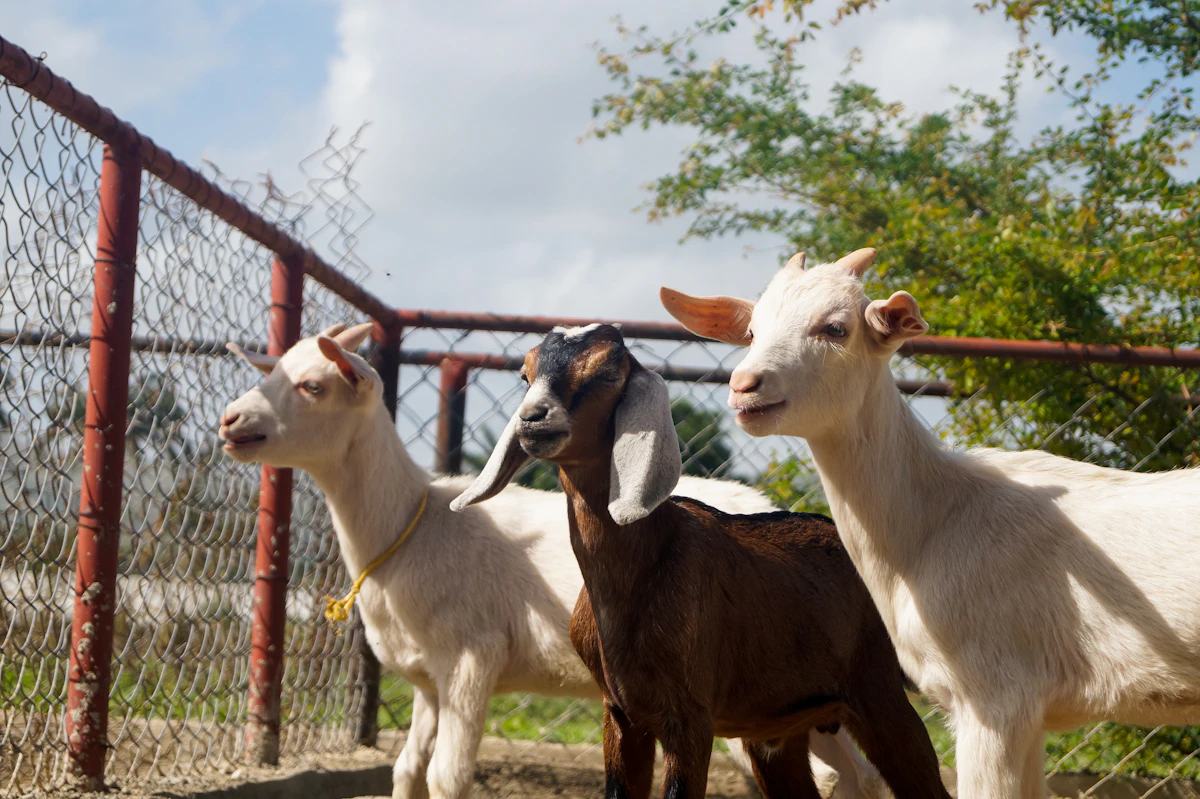
If milk sales matter to your plan, weigh them alongside the other factors that make a state workable, like land prices, water rights, climate, and zoning. Our guide on how to start a homestead walks through how dairy fits into a broader self-sufficiency plan, and you can compare any two states side by side on Homestead Finder. A few states worth a closer look for dairy-minded homesteaders include Idaho, Wyoming, Maine, and Tennessee, each of which gives small producers a relatively clear legal path.
Conclusion
Raw milk law in the United States is a state-by-state mosaic. A few states let you buy it in a store, many let you buy it at the farm gate or under a permit, some only allow it through herdshares, and a handful keep it off the table entirely. Knowing which model your state uses, and what conditions come with it, is the difference between a smooth small-dairy operation and an accidental violation.
If you're still deciding where to homestead, use Homestead Finder to compare states across the factors that actually shape daily life, from land and water to the rules around what you can raise, grow, and sell.
Frequently Asked Questions
Can I sell raw milk from my family cow?
It depends entirely on your state. In on-farm and licensed states you usually can, often with conditions like labeling, testing, or a permit. In herdshare-only or restricted states, direct sales may be illegal even if drinking your own milk is fine. Always confirm the current rules with your state agriculture department before selling.
What is a herdshare and is it legal everywhere?
A herdshare (or cow-share) is an arrangement where you buy a fractional ownership stake in a dairy animal and pay a care fee, so you're consuming milk you partly own rather than buying it. Some states explicitly authorize herdshares, others tolerate them, and a few do not. It's a common workaround in states that ban retail sales, but it isn't universally legal.
Is raw milk safe to drink?
Raw milk skips pasteurization, so it can carry pathogens like Listeria, E. coli, and Salmonella. Most public health authorities advise against consuming it, particularly for young children, pregnant people, older adults, and anyone with a weakened immune system. The decision is a personal one, and good herd health, sanitation, and testing reduce but do not eliminate the risk.
Can I buy raw milk in a grocery store?
Only in a small number of states. As of 2026, California, Idaho, Maine, and Wyoming allow raw milk on store shelves. Some other states, such as Washington, permit retail only under a licensing and inspection system, while most limit raw milk to the farm gate, a permit, or herdshares.
This guide reflects raw milk laws as of 2026. Laws change frequently and the details can be nuanced, so always verify the current rules with your state agriculture or health department before buying, selling, or sharing raw milk.

 Your brand here — Reach our audience of professional directory owners and boost your sales.