Is Off-Grid Living Legal? A State-by-State Guide (2026)
Off-grid living is legal in most US states, but the real rules are local. See which states are friendliest, which are restricted, and what to verify.
Written by Homestead Finder Editorial
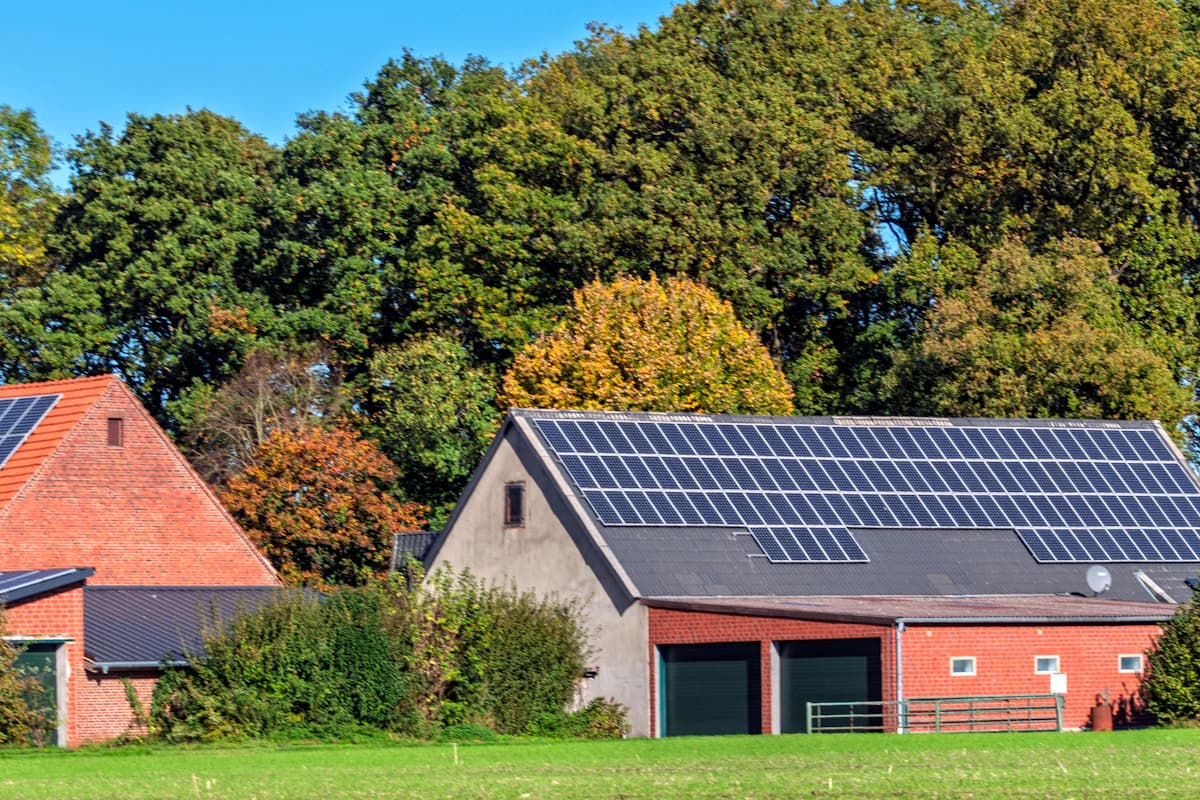
"Is off-grid living legal?" sounds like a yes-or-no question. It almost never is. In the vast majority of the United States, living off-grid is perfectly legal, but whether you can do it on your parcel is decided much closer to home than the statehouse. Counties, townships, and local health departments write the rules that actually matter through zoning, building codes, well permits, septic standards, and the occasional ordinance requiring an occupied dwelling to connect to public utilities when they're available at the property line.
This guide explains what "off-grid" really means, the four to five legal dimensions that determine whether you can do it, and a state-by-state breakdown of where it's generally permitted versus heavily restricted. Throughout, remember the most important takeaway: verify everything at the county level before you buy land. This article reflects rules as of 2026 and is a starting point, not legal advice.
What "Off-Grid" Actually Means
Off-grid living means meeting your basic needs without relying on public utility connections. In practice that usually involves:
- Power: solar panels with battery storage, sometimes wind or a generator, instead of a grid electric hookup.
- Water: a private well, a spring, or a rainwater catchment system instead of municipal water.
- Sewage: a conventional or alternative septic system, or a composting toilet, instead of a municipal sewer connection.
- Heat and cooking: wood, propane, or solar rather than piped natural gas.
The legal friction rarely comes from the idea of self-sufficiency itself. It comes from the specific systems you use to achieve it, and whether your local government allows them.
The Legal Dimensions That Actually Decide It
When people ask whether off-grid living is "legal," they're really asking about five separate layers of regulation. Any one of them can stop a project.
1. Zoning
Zoning controls what you can build and how you can use the land. Minimum lot sizes, minimum dwelling square footage, restrictions on RVs or tiny homes as permanent residences, and density rules all live here. Rural and unincorporated areas tend to be the most permissive; dense or suburban zoning is where off-grid plans get squeezed.
2. Building Codes
Some states adopt a mandatory statewide building code; others leave adoption to individual counties or don't enforce one in rural areas at all. Where there's no enforced code, owner-builders have far more freedom to build unconventional structures (earthships, cabins, straw bale) without inspections at every stage. For a deeper look at where codes are lightest, see our guide to the best states with no building codes.
3. Water: Wells and Rainwater
Two questions matter here. First, can you legally drill a private well? Most rural areas allow it with a permit, but water rights in some Western states are complex. Second, can you collect rainwater? Rainwater harvesting is legal in most states, sometimes encouraged, but a handful regulate it more tightly. Always confirm both well permitting and rainwater rules locally.
4. Sewage: Septic and Composting Toilets
This is one of the most common deal-breakers. Counties enforce health-department standards for waste disposal. The key questions: Are composting toilets recognized as a legal primary system? Are alternative or conventional septic systems permitted on your soil type? Some jurisdictions require a permitted septic system regardless of whether you also use a composting toilet.
5. Utility-Connection Mandates
A handful of places have ordinances stating that an occupied dwelling must connect to available public utilities (electric, water, or sewer) if a line runs to or near the property. These mandatory-hookup rules are the single biggest legal threat to a true off-grid setup, and they're more common in densely settled states.
Off-Grid Legality by State: The Big Picture
In our dataset, off-grid living is generally permitted in all 50 states except four. A state marked "generally permitted" means off-grid living is broadly allowed, especially in rural counties. A state marked "heavily restricted" tends to have statewide barriers like mandatory utility connection, strict septic rules, and dense zoning that make a fully off-grid dwelling much harder to establish legally.
| State group | Status | What it means |
|---|---|---|
| Most states (46) | Generally permitted | Off-grid living is broadly allowed, especially in rural counties. Verify local zoning, septic, and well rules. |
| Connecticut | Heavily restricted | Statewide codes plus utility/septic barriers limit fully off-grid dwellings. Rural exceptions may exist. |
| Hawaii | Heavily restricted | Strict statewide rules and high costs make off-grid setups difficult to permit. |
| New Jersey | Heavily restricted | Dense zoning and connection mandates work against off-grid living. |
| Rhode Island | Heavily restricted | Small, densely settled state with statewide codes and utility barriers. |
Two caveats cut both ways. Even in the four restricted states, rural exceptions sometimes exist, and a determined buyer may find a parcel and county that allow an off-grid build. And even in the 46 permissive states, individual counties can impose limits — mandatory hookups, large minimum lot sizes, or composting-toilet bans — that make a specific property unworkable. The state-level answer is a filter, not a final ruling.
The Most Off-Grid-Friendly States
The friendliest states for off-grid living combine permissive off-grid status with no enforced statewide building code, which gives owner-builders the most freedom in rural areas. Based on our data, these stand out:
In these states, rural and unincorporated counties frequently allow private wells, alternative sewage systems, and owner-built structures without the layers of inspection you'd face in a code-enforced jurisdiction. They're a natural starting point if maximizing legal freedom is your priority. Many of them also rank well in our broader roundup of the best states for homesteading in 2026.
A word of realism: "no statewide building code" does not mean "no rules anywhere." Cities and some counties within these states still enforce their own codes, and water rights in the arid West (Arizona, Colorado, Wyoming) can be genuinely complicated. Light regulation is an advantage, not a free pass.
How to Verify Off-Grid Legality for a Specific Property
State status tells you where to look; the property tells you what's actually possible. Before you commit to land, work through this checklist with the local county offices:
- Zoning and land use: Confirm the parcel's zoning allows your intended dwelling type, lot size, and any tiny home or RV plans.
- Building code and permits: Ask whether the county enforces a building code and what inspections an owner-builder must pass.
- Well permitting: Verify you can drill a private well, and check water-rights restrictions in Western states.
- Rainwater harvesting: Confirm whether catchment is allowed and whether any volume or use limits apply.
- Septic and composting toilets: Ask the health department whether composting toilets count as a legal primary system and which septic types your soil supports.
- Mandatory utility connection: Ask directly whether any ordinance requires connecting an occupied dwelling to available electric, water, or sewer lines.
Getting these answers in writing from the county before purchase is the single best thing you can do to avoid an expensive surprise. If you're still in the planning stage, our walkthrough on how to start a homestead covers the broader sequence of steps.
Conclusion
Off-grid living is legal across nearly all of the United States. Only Connecticut, Hawaii, New Jersey, and Rhode Island stand out in our data as heavily restricted, and even there, rural exceptions can exist. Everywhere else, the real questions are local: Can you drill a well and catch rainwater? Are composting toilets and your septic options allowed? Must your home connect to the grid if a line is available? Answer those three questions for a specific county and you'll know far more than any statewide label can tell you.
Ready to narrow it down? Compare all 50 states side by side on Homestead Finder to see off-grid status, building-code rules, and more for each one, then drill into the states that fit your plans.
Frequently Asked Questions
Is off-grid living illegal anywhere in the US?
It's rarely flatly illegal at the state level. In our 2026 data, only Connecticut, Hawaii, New Jersey, and Rhode Island are heavily restricted statewide through codes, septic rules, and utility-connection mandates. Even there, rural parcels may qualify. The bigger barriers everywhere are local zoning and health rules, so always verify at the county level.
Can I be forced to connect my off-grid home to public utilities?
In some places, yes. Certain jurisdictions have ordinances requiring an occupied dwelling to connect to available public electric, water, or sewer lines if they run to the property. This is more common in densely settled states and is one of the most important things to confirm with the county before buying land.
Are composting toilets legal for off-grid homes?
It depends entirely on the local health department. Some counties recognize composting toilets as a legal primary waste system; others require a permitted septic system regardless. Because this is one of the most common deal-breakers, confirm in writing what your target county allows.
Which states are best for off-grid living?
States that are off-grid friendly and have no enforced statewide building code give owner-builders the most freedom. In our data those include Texas, Missouri, Wyoming, Idaho, Montana, Arizona, Colorado, South Dakota, and Nebraska. Rules still vary by county, so treat these as a strong starting point and verify locally.

 Your brand here — Reach our audience of professional directory owners and boost your sales.