How to Start a Homestead: A Beginner's Step-by-Step Guide
A practical step-by-step guide to starting a homestead: set goals, budget, choose the right state and land, secure water and power, and grow your food.
Written by Homestead Finder Editorial
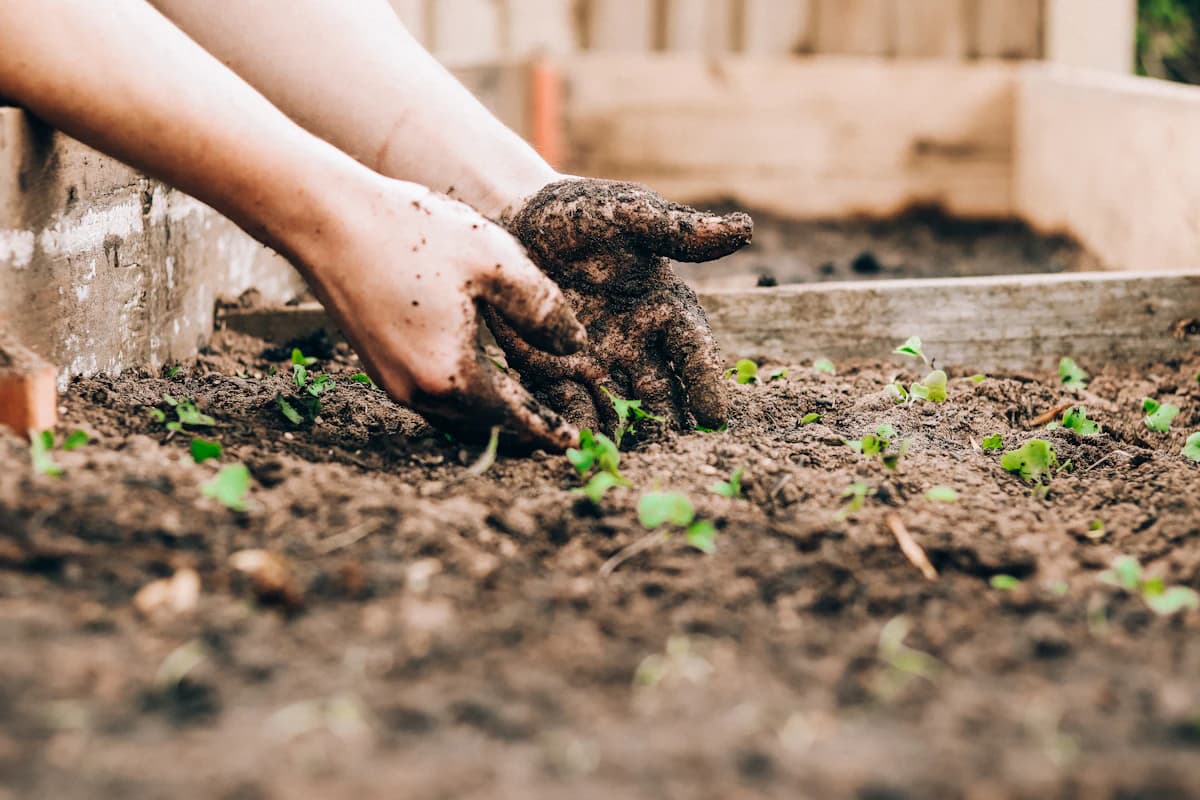
Starting a homestead can feel overwhelming when you're staring at a blank slate and a thousand decisions. The good news: you don't need 100 acres, a tractor, or a trust fund to begin. You need a clear plan, an honest budget, and the discipline to start small. The single highest-leverage decision you'll make early on is where you put down roots, because location quietly shapes your taxes, your growing season, your water rights, and what you're even legally allowed to build. This guide walks you through the process step by step, in the order a thoughtful beginner should tackle it.
Step 1: Define Your Homesteading Goals and Lifestyle
Before you look at a single listing, get specific about what "homesteading" means to you. The word covers everything from a backyard garden with a few hens to a fully off-grid, self-sufficient operation, and your goals drive every later decision. Ask yourself:
- Food self-sufficiency: Do you want to grow most of your own food, or supplement groceries with a garden and a few animals?
- Off-grid vs. grid-tied: Are you drawn to living without utility hookups, or is reliable power and internet a must-have?
- Income: Will the homestead need to produce income (market garden, eggs, livestock, value-added products), or is it a lifestyle funded by an outside job?
- Scale and pace: Do you want to dive in full-time, or transition gradually while keeping a day job?
Write these down. A couple chasing weekend self-reliance has very different needs than a family leaving the city permanently, and clarity here prevents you from buying the wrong land for the wrong dream.
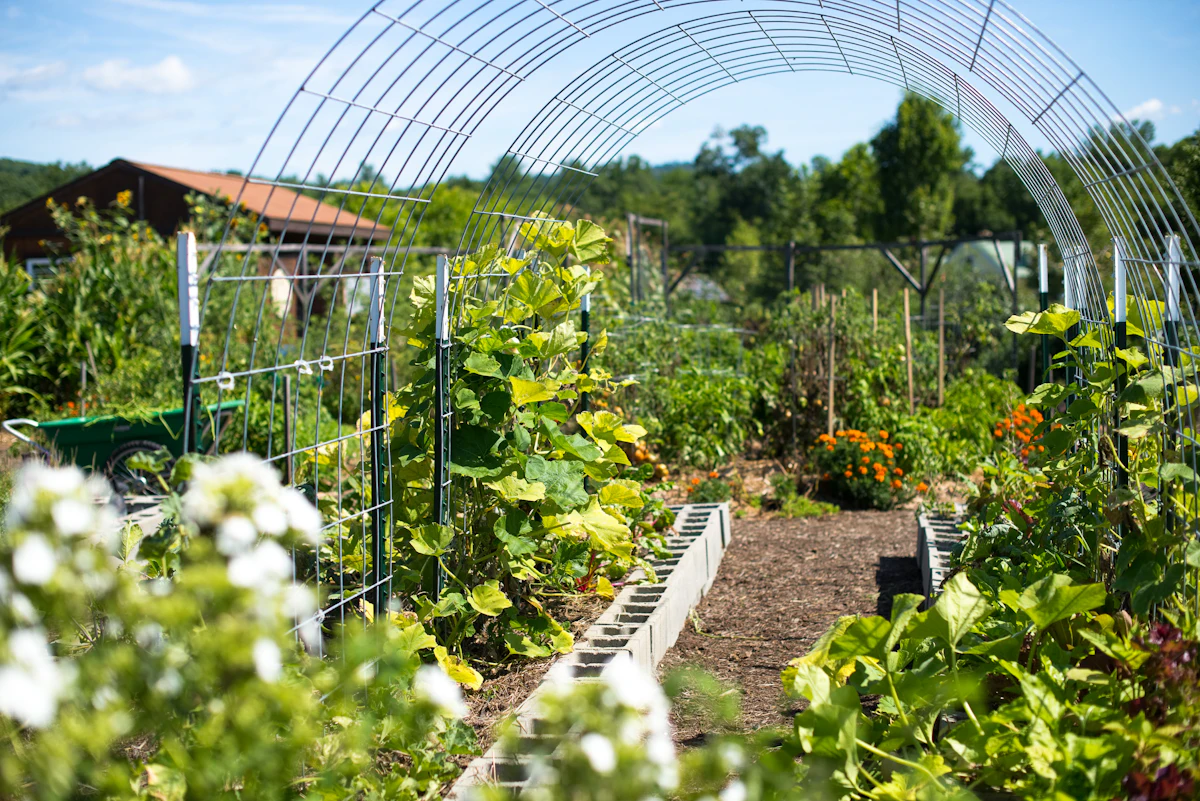
Step 2: Set a Realistic Budget
Land is only the first line item. Beginners routinely underestimate the cost of making raw land livable, so build a budget that accounts for the full picture:
- Land purchase, plus closing costs, surveys, and title work
- Water: drilling a well can be a major expense, and depths vary by region
- Septic or sewage system
- Power: grid hookup fees, or a solar and battery system if you're off-grid
- Shelter: buying an existing home, renovating, or building from scratch
- Access: driveways, road maintenance, fencing, and gates
- Livestock and infrastructure: coops, barns, fencing, and feed
- A cash buffer for the surprises that will come
A frequent rule of thumb is that improving raw land can cost as much as or more than the land itself. Budgeting honestly up front is what separates homesteaders who thrive from those who run out of money halfway through. For help right-sizing your ambitions to your acreage, see our guide on how much land you actually need to homestead.
Step 3: Choose the Right State (Your Biggest Decision)
This is the step most beginners rush, and it's the one with the most leverage. The same dream costs wildly different amounts and faces wildly different rules depending on the state you land in. Weigh these factors together rather than fixating on land price alone:
- Land price: Raw acreage is far cheaper in some regions than others. See our breakdown of the cheapest states to buy homestead land.
- Taxes: Property tax rates and the presence of state income tax meaningfully affect long-term affordability. No-income-tax states like Texas, Tennessee, and Wyoming appeal to some homesteaders, but property taxes and other costs still vary.
- Climate and growing season: Your USDA hardiness zone and frost-free days determine what you can grow and how long your garden produces.
- Water rights and rainfall: This is critical and often overlooked. Some Western states follow "prior appropriation" water law that restricts how you use water on your own land, including rainwater collection in some cases, while wetter Eastern states generally offer more rainfall and friendlier riparian rules.
- Building codes and off-grid legality: Some states are far more permissive about owner-builds, alternative structures, and disconnecting from the grid. See the best states with no (or minimal) building codes.
- Food, homeschool, and gun laws: Raw milk sales, on-farm slaughter, cottage food rules, homeschooling freedom, and firearms laws differ by state and matter to many families.
- Healthcare access and broadband: Rural areas can mean long drives to a hospital and patchy internet, both worth checking before you commit.
Every state involves trade-offs, so the goal is to find the best fit for your priorities rather than a perfect score everywhere. This is exactly why Homestead Finder exists: you can compare all 50 states side by side on taxes, climate, water, building codes, and the off-grid and food laws that matter most. For a curated starting point, read our roundup of the best states for homesteading in 2026.
Step 4: Choose the Right County and Parcel
Once you've narrowed your state, zoom in. Rules and conditions can change dramatically from one county, or even one parcel, to the next. Before making an offer, investigate:
- Zoning and land use: Is agriculture, livestock, and your intended structure actually permitted? Are there minimum acreage requirements?
- Water: Is there a well already? If not, how deep do neighboring wells go, and what does drilling cost locally?
- Road and legal access: Confirm the parcel has legal, year-round access, not just a seasonal track or an easement dispute waiting to happen.
- Soil quality: Test or research the soil for gardening and pasture; rocky or poorly drained ground limits what you can grow.
- Flood and fire risk: Check flood zones and wildfire exposure, which affect both safety and insurance.
- Broadband or Starlink: If you need internet for work, verify what's actually available at that address.
Walk the land in person if you possibly can, ideally in more than one season. A parcel that looks idyllic in June can be a mud pit in spring or snowed in by November.
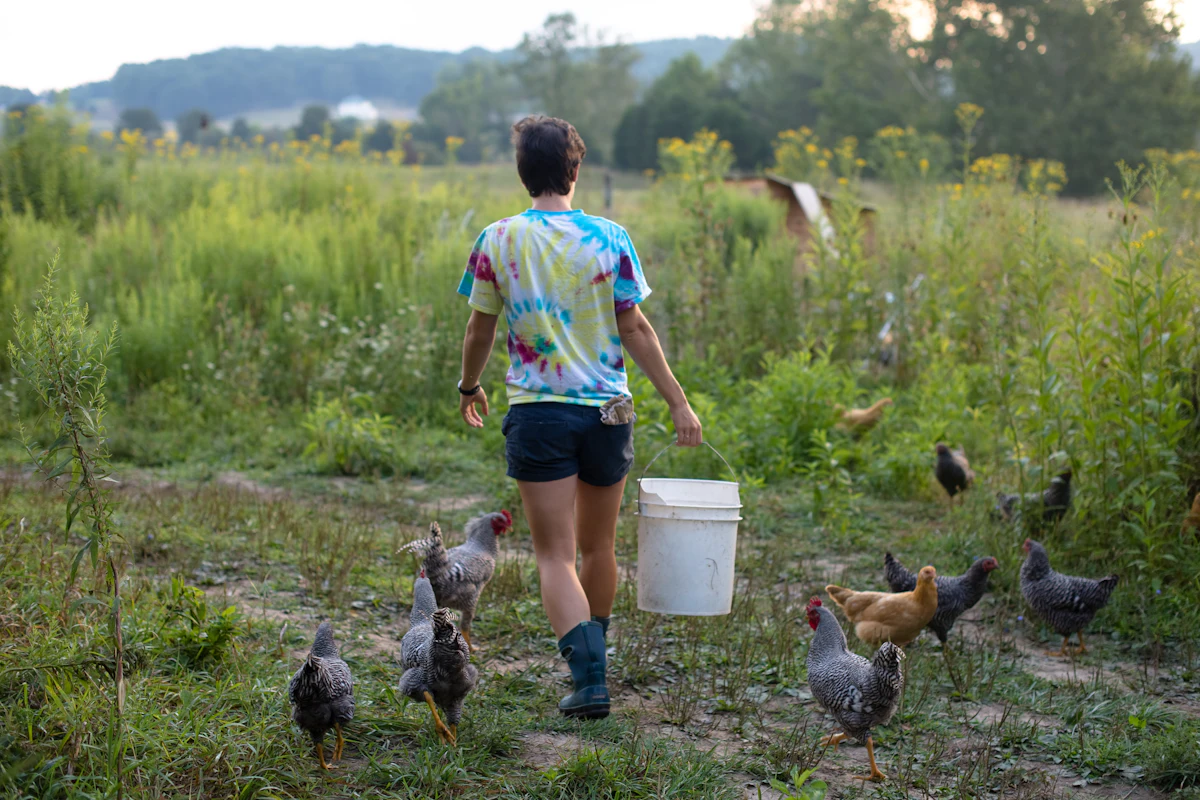
Step 5: Start Small and Build Skills Before You Buy
You don't have to wait for the perfect parcel to start homesteading. The skills transfer, and the learning curve is real, so begin where you are:
- Garden now, even in containers or a small backyard bed, to learn your local season and your own tastes.
- Practice food preservation: canning, fermenting, dehydrating, and freezing.
- Try small animals if your situation allows, such as a few backyard hens for eggs.
- Learn basic repair and building skills, along with cooking from scratch and managing a pantry.
Every skill you build before you own land is a mistake you won't make on a larger, costlier scale later. Many successful homesteaders practiced for a year or two before buying acreage.
Step 6: Secure Water and Power
Once you have land, your two foundational utilities are water and power. Nothing else functions without them, so decide early, because these choices influence where on the parcel you build and how much you'll spend.
Water options:
- Drilled well: the most common solution for rural parcels, but cost and reliability depend on local geology.
- Rainwater catchment: excellent in high-rainfall regions, though check your state's legality first.
- Surface water (ponds, springs, creeks): useful but usually subject to water rights and treatment needs.
Power options:
- Grid hookup: simplest if lines are nearby, but extending power to a remote parcel can be very expensive per mile.
- Off-grid solar with battery storage: increasingly practical and a good fit for sunny regions and modest energy needs, often paired with a backup generator.
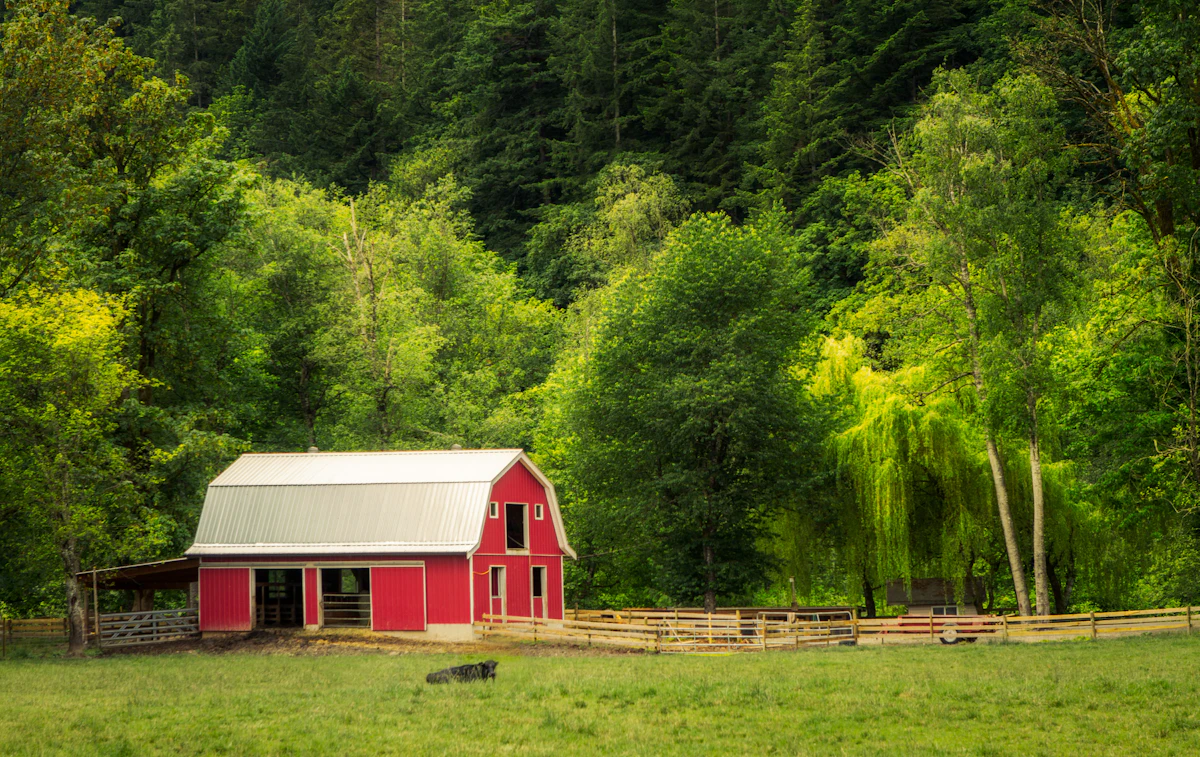
Step 7: Sort Out Shelter and Infrastructure
Now you need somewhere to live. Your main paths:
- Buy a parcel with an existing home: the fastest route to living on the land, though often more expensive up front.
- Renovate an older home or place a manufactured home: a middle path that can save money.
- Build from scratch as an owner-builder: the most control and often the lowest labor cost, but it demands time, skills, and code compliance.
Many beginners live in a temporary setup, such as an RV or tiny home, while they build, but confirm your county allows this first. Alongside shelter, plan core infrastructure: driveways, fencing, storage, and a workshop or barn.
Step 8: Add Food Production in Stages
Resist the urge to do everything at once. Phasing in food production protects your budget, your time, and your sanity.
- Start with a garden sized to what you can realistically maintain, then expand each season.
- Add small livestock such as chickens, ducks, or rabbits once your systems are stable.
- Move to larger animals like goats, pigs, sheep, or cattle only after you can handle the daily chores and have proper fencing, water, and shelter.
Each stage teaches you something and builds the infrastructure for the next. Overextending in year one is the most common way new homesteaders burn out.
Step 9: Build Community and Learn Local Regulations
Homesteading has a self-reliant reputation, but no one truly does it alone. Your neighbors are your best resource for what grows well, where to drill, who to hire, and which local rules actually get enforced.
- Introduce yourself to neighbors and local farmers.
- Join your county extension office and local homesteading or 4-H groups.
- Learn local regulations directly from county offices: building permits, livestock rules, burn bans, and well or septic requirements.
A strong local network turns isolated problems into solvable ones.
Step 10: Plan for Income and Resilience
Finally, think about how your homestead sustains itself over the long haul. Even a lifestyle homestead benefits from resilience planning:
- Income streams: market gardening, eggs, meat, honey, value-added goods, or remote work that funds the lifestyle.
- Financial buffers: reserves for equipment failures, crop losses, and lean seasons.
- Redundancy: backup water, backup power, and stored food for when systems fail.
The goal isn't perfection. It's a homestead that can absorb a bad year without collapsing.
Conclusion
Starting a homestead is a series of deliberate, manageable steps, not one giant leap. Define your goals, budget honestly, build skills while you can, and start small once you're on the land. Above all, remember that where you settle quietly shapes everything else, from your tax bill to your growing season to what you're allowed to build. Get the location right and the rest gets dramatically easier.
The best first move you can make today costs nothing: compare states on Homestead Finder and see which ones actually fit your priorities on taxes, climate, water, and the laws that matter to you. A good homestead starts with a good decision, and a good decision starts with good information.
Frequently Asked Questions
How much money do I need to start a homestead?
It varies enormously by location and how much you do yourself. The land is often the smaller part; improving raw land with a well, septic, power, access, and shelter can cost as much as the land itself. Buying a parcel with an existing home lowers the upfront skill and infrastructure burden but raises the purchase price. The smartest approach is to budget for the full picture and keep a healthy cash buffer for surprises.
How much land do I need to homestead?
Less than most beginners assume. A productive garden, a flock of chickens, and small livestock can fit on a single acre or even less, while larger livestock and self-sufficiency goals need more. The right amount depends on your goals, climate, and water. See our full guide on how much land you need to homestead.
Can I homestead while working a full-time job?
Absolutely, and many people do. Starting part-time while keeping outside income is one of the most sustainable ways to begin. It funds your buildout, reduces pressure on the land to generate income immediately, and lets you build skills gradually. Just be sure you have reliable broadband or Starlink if your job is remote.
What are the best states for beginners?
There's no single answer, because the best state depends on your priorities, whether that's cheap land, a long growing season, permissive building codes, or favorable food and homeschool laws. Rather than chase someone else's pick, compare states side by side on Homestead Finder and read our best states for homesteading in 2026 roundup to find your fit.

 Your brand here — Reach our audience of professional directory owners and boost your sales.