How Much Land Do You Need to Start a Homestead?
How much land do you need to homestead? A realistic, goal-based acreage guide for beginners, from a backyard plot to 40+ acres for livestock.
Written by Homestead Finder Editorial
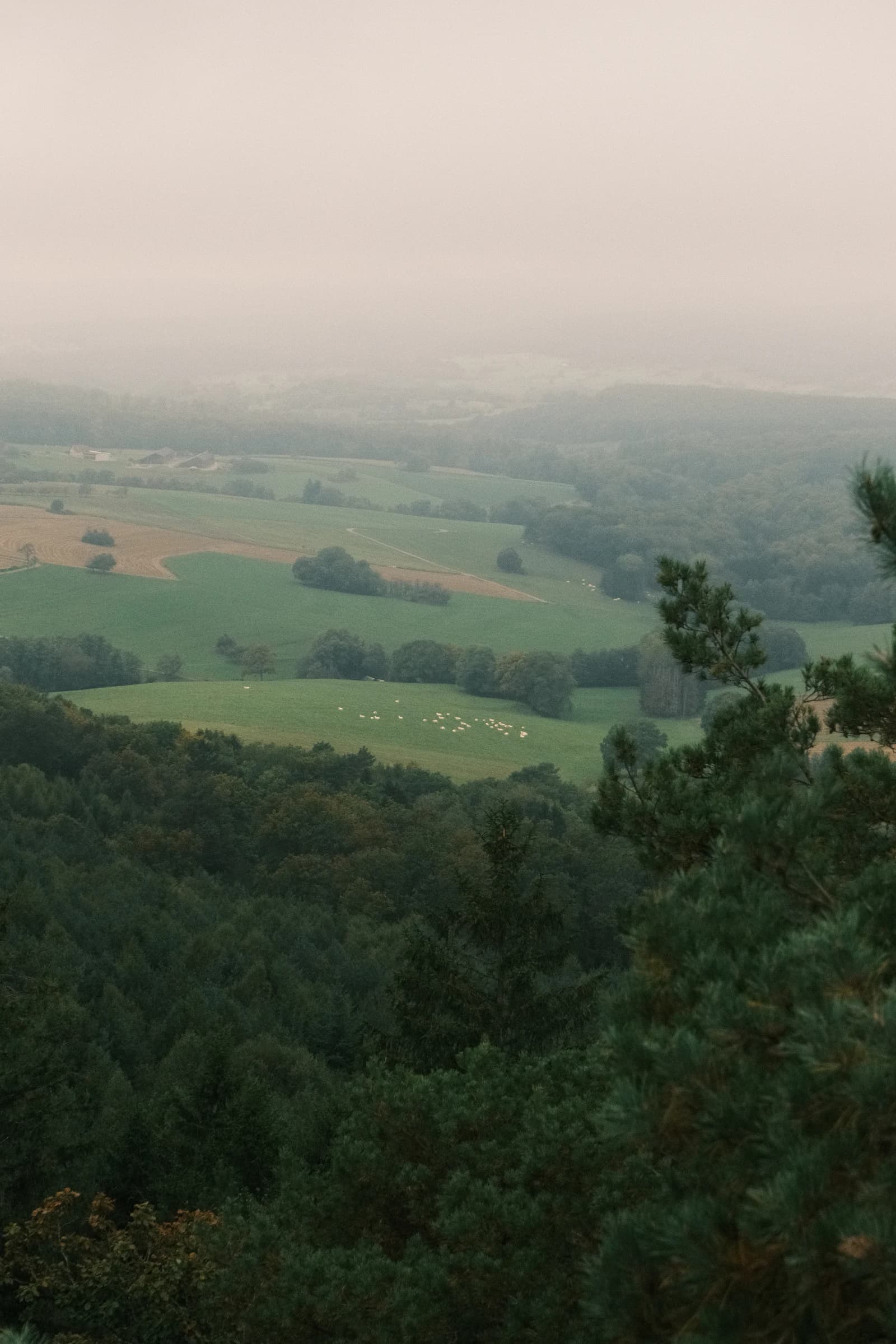
It's the first question almost every beginner asks, and it has the most misleading answers. Some people insist you need 40 acres minimum, while someone else is feeding a family of four off a quarter-acre lot. Both can be right, because the honest answer depends entirely on what you want your homestead to do.
Here's the truth most guides won't tell you up front: if your goal is to feed your own family vegetables, eggs, and a little meat, you need far less land than you think. If you want pastured livestock, your own firewood, and income from the land, you need more than you think, and you need the right land. This guide breaks it down by goal so you can buy the acreage that matches your plans, not someone else's.
The Short Answer
For most beginning homesteaders, 1 to 5 acres is the sweet spot. It's enough to run a serious garden, an orchard, poultry, and a few small animals, while staying small enough to manage with a day job and a learning curve. Many self-sufficiency goals are fully achievable in this range.
But "how much land" is the wrong question to ask first. The better question is "how much of what kind of land," because five well-watered acres in Tennessee can out-produce forty arid acres in Wyoming. We'll get to that. First, let's match acreage to goals.
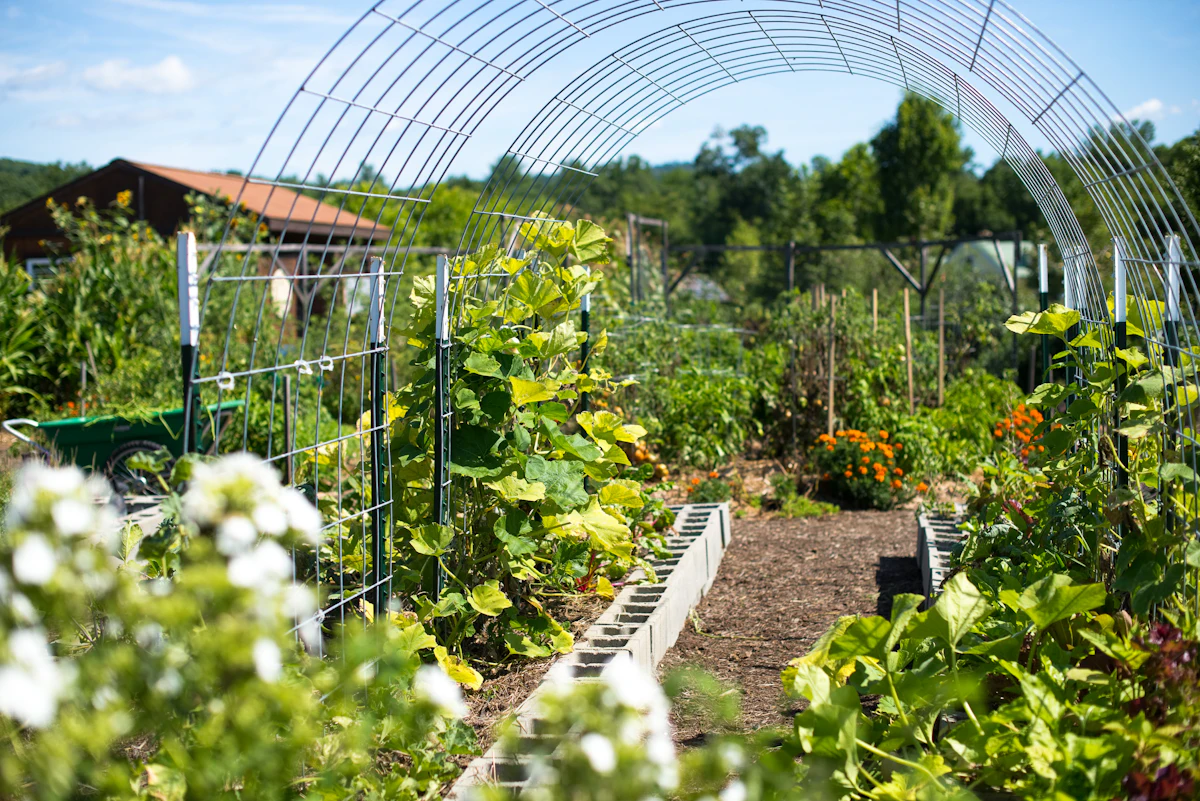
Acreage by Goal
Use this as a starting framework, not a rulebook. These are practical rules-of-thumb, and real results swing widely with climate, soil, and your own skill.
| Land size | Realistic for | Best for |
|---|---|---|
| 0.1–0.25 acre | Intensive garden, chickens, rabbits | Suburban yards, testing the lifestyle |
| 0.25–1 acre | Large garden, small fruit, a couple of goats with managed space | Vegetable self-sufficiency, eggs, some meat |
| 1–5 acres | Big garden/orchard, poultry, goats or sheep, pigs | The classic starter homestead |
| 5–20 acres | A milk cow or two, pasture rotation, hay, a woodlot | Expanding self-sufficiency, heating with wood |
| 20–40+ acres | Cattle, significant hay/forage, timber, farm income | Going commercial or land-rich living |
0.1 to 0.25 acre: the backyard homestead
People underestimate how much a small, intensively managed plot produces. A well-tended quarter-acre, using raised beds, succession planting, and vertical growing, can supply a surprising share of a family's vegetables across the season. Add a small flock of chickens for eggs and rabbits for meat (both legal in many suburban areas), and you're producing real food without leaving town. This is also the smartest place to start — learning to garden, preserve, and tend animals before you commit to a mortgage on rural land.
0.25 to 1 acre: serious food production
With up to an acre, you can run a large garden, plant dwarf fruit trees and berry bushes, keep a healthy flock of poultry, and, with careful space management, even keep a couple of dairy goats. This range can cover most of a family's vegetables, eggs, fruit, and some meat. What it won't give you is room for grazing animals to feed themselves — you'll be buying in most of their feed.
1 to 5 acres: the classic starter homestead
This is where most people picture a homestead, and for good reason. On a few acres you can run a large garden and orchard, keep poultry for eggs and meat, raise goats or sheep, and fatten a couple of pigs each year. Most common self-sufficiency goals are achievable here, and it's a realistic amount of work for a household that's still learning. If you're buying your first piece of rural land, this is the range to focus your search on.
5 to 20 acres: room for grazing and a woodlot
Cross into this range and new options open up. You can keep a milk cow or two, rotate animals through several pasture paddocks, cut some of your own hay, and set aside a woodlot to heat your home with firewood. The land starts to feed more of itself rather than relying on bought-in feed. This is also where management gets more serious — fencing, water lines, and pasture rotation all scale up.
20 to 40+ acres: livestock, timber, and income
At this scale you can run cattle, grow significant forage and hay, manage standing timber, and start thinking about farm income. Be honest with yourself, though: this is far more land than a family needs simply to feed itself. People buy at this scale for income, for elbow room, or for a long woodlot and hunting ground, not because their vegetable garden demands it.
What Actually Drives the Number
Acreage tiers are a starting point. These factors move the real number up or down, sometimes dramatically.
Diet and family size
A household that eats mostly vegetables, grains, and eggs needs far less land than one that wants to produce most of its own beef and dairy. Meat and milk are land-hungry. The more of your calories you want from grazing animals, the more acres you'll need per person.
Livestock versus garden-only
This is the single biggest driver. Plant food is extraordinarily space-efficient; grazing animals are not. A garden that feeds a family fits on a fraction of an acre. The pasture to feed the cow that feeds that same family can run several acres or far more, depending entirely on the next factor.
Pasture quality and rainfall
Here's the factor beginners overlook most. Stocking rate — how many animals an acre can support — varies enormously with rainfall and forage. In lush, high-rainfall regions, one or two acres of good pasture might support a cow. In arid Western rangeland, that same cow could need 20, 40, or even more acres because the grass is sparse and slow to recover. This can change your land requirement by a factor of ten or more.
This is also why cheaper land is often cheaper. Inexpensive Western acreage frequently carries a low price because it's dry and needs far more acres per animal. You're not getting a deal so much as buying more acres to do the same job. (For where land is genuinely affordable and why, see our guide to the cheapest states to buy homestead land.)
Woodlot for heat
If you plan to heat with wood, you need standing trees that regrow faster than you cut them. As a rough rule, a well-managed woodlot of several acres can sustainably supply firewood for a home year after year, more in slow-growing regions, less in fast-growing ones. If wood heat is part of your plan, budget acres for it specifically.
Water source
Land without reliable water is land you can't fully use. A year-round creek, a good well, a spring, or a pond changes what's possible, especially for livestock, which drink a lot. Two acres with abundant water can beat ten acres you have to haul water across. Always factor water access into "how much land," because dry acres aren't fully usable acres.
Zoning and legal minimums
Counties set the rules, and they vary widely. Some areas have minimum lot sizes for agricultural use, restrictions on livestock numbers, or rules about what you can build. A parcel might be perfect on paper and prohibited in practice. Always check local zoning and agricultural ordinances before you buy — this can quietly set your minimum acreage for you.
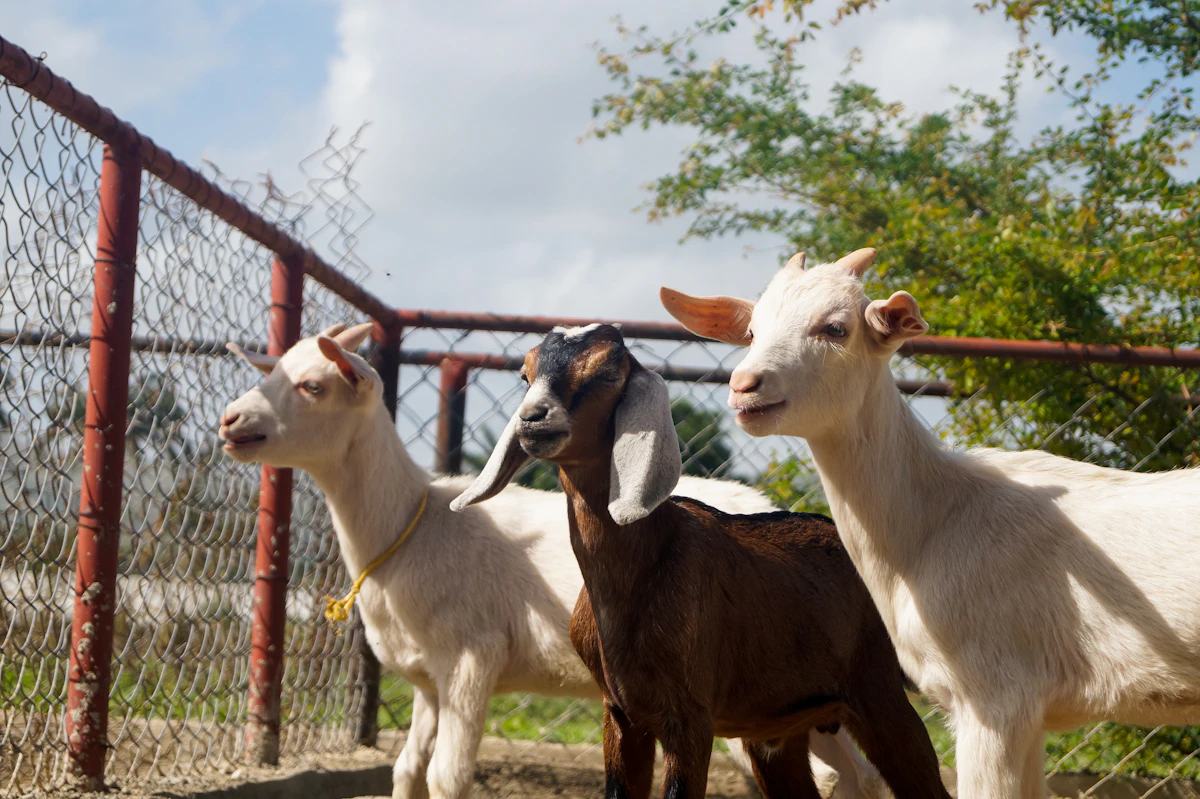
Quality Beats Quantity
If you take one thing from this guide, make it this: land quality matters as much as land quantity. Soil, water, rainfall, and growing season determine what an acre can actually do.
Five wet, fertile acres in a long-season climate can produce more food and graze more animals than forty dry, rocky acres in a short, harsh one. More acres is not automatically more homestead. A smaller, better-watered, better-soiled parcel is often the smarter buy, and usually the easier one to manage as a beginner.
That's why comparing land without comparing climate leads people astray. Before you fixate on a price-per-acre number, look at rainfall, soil, and growing season together. Our best states for homesteading in 2026 breakdown weighs these factors side by side.
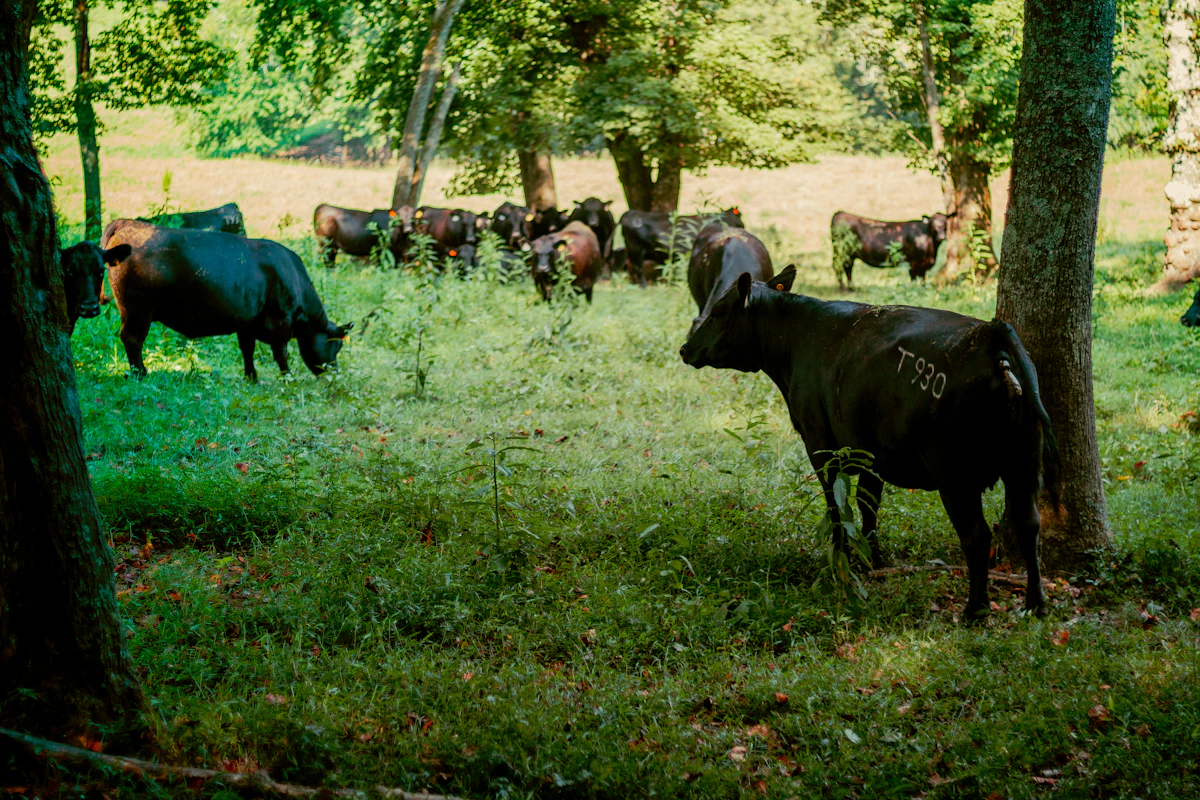
How to Decide for Yourself
Work through it in this order:
- Define the goal. Hobby garden? Full vegetable self-sufficiency? Pastured meat and dairy? Income? Be specific.
- Map goals to acreage using the table above as your starting point, or run our land needed calculator to get a quick acreage estimate from your household size, food goals, and whether you want a woodlot.
- Adjust for climate. In dry regions, multiply your livestock acreage. In lush regions, you can often shrink it.
- Confirm water and zoning. Verify a reliable water source and check that local rules allow your plans.
- Round up modestly, not wildly. A little extra room for expansion is wise. Buying triple what you need "just in case" usually just means more taxes, more fence, and more maintenance.
If you're still mapping out the whole journey rather than just the acreage question, our guide on how to start a homestead walks through the full process from first steps to settling in.
The Bottom Line
You almost certainly need less land than the internet tells you to feed your family, and you need to think harder than the internet tells you about which land. Match your acreage to your real goals, weight quality over raw size, and never buy acres before you've checked the water and the local rules.
The smartest move before you commit is to compare your options across states, because land price means little without the rainfall, soil, and growing season behind it. Compare all 50 states on Homestead Finder to see land prices, rainfall, and growing seasons side by side, and find the acreage that actually fits your homestead, not someone else's.
Frequently Asked Questions
Can you really homestead on 1 acre?
Yes. One acre is enough for a large garden, fruit trees and berries, a flock of chickens, and small livestock like rabbits or a couple of goats with managed space. You can produce most of your own vegetables, eggs, fruit, and some meat. What an acre won't easily support is grazing animals that feed themselves — you'll buy in most of their feed.
How much land does a family of four need to be self-sufficient?
For vegetable and egg self-sufficiency, a well-managed half-acre to two acres can go a remarkably long way. If you also want to produce most of your own meat and dairy from grazing animals, plan on more, often 5 to 20 acres, with the exact number depending heavily on your climate and pasture quality.
How much land do you need for a cow?
This varies more than almost any other figure in homesteading. In lush, high-rainfall pasture, one or two good acres may support a cow. In arid Western rangeland, the same cow could need 20, 40, or more acres because forage is sparse. Always check the typical stocking rate for your specific region before assuming a number.
Is it better to buy more cheap land or less expensive land?
It depends on why the cheap land is cheap. Inexpensive acreage is often dry, rocky, remote, or short-season, which is exactly why it needs more acres to do the same job. A smaller, well-watered, fertile parcel is frequently the better buy, easier to manage and more productive per acre. Compare climate and soil, not just price, before deciding.

 Your brand here — Reach our audience of professional directory owners and boost your sales.