Homesteading in West Virginia: The Complete 2026 Guide
Cheap, well-watered Appalachian land, off-grid-friendly counties, and constitutional carry. An honest 2026 guide to homesteading in West Virginia.
Written by Homestead Finder Editorial
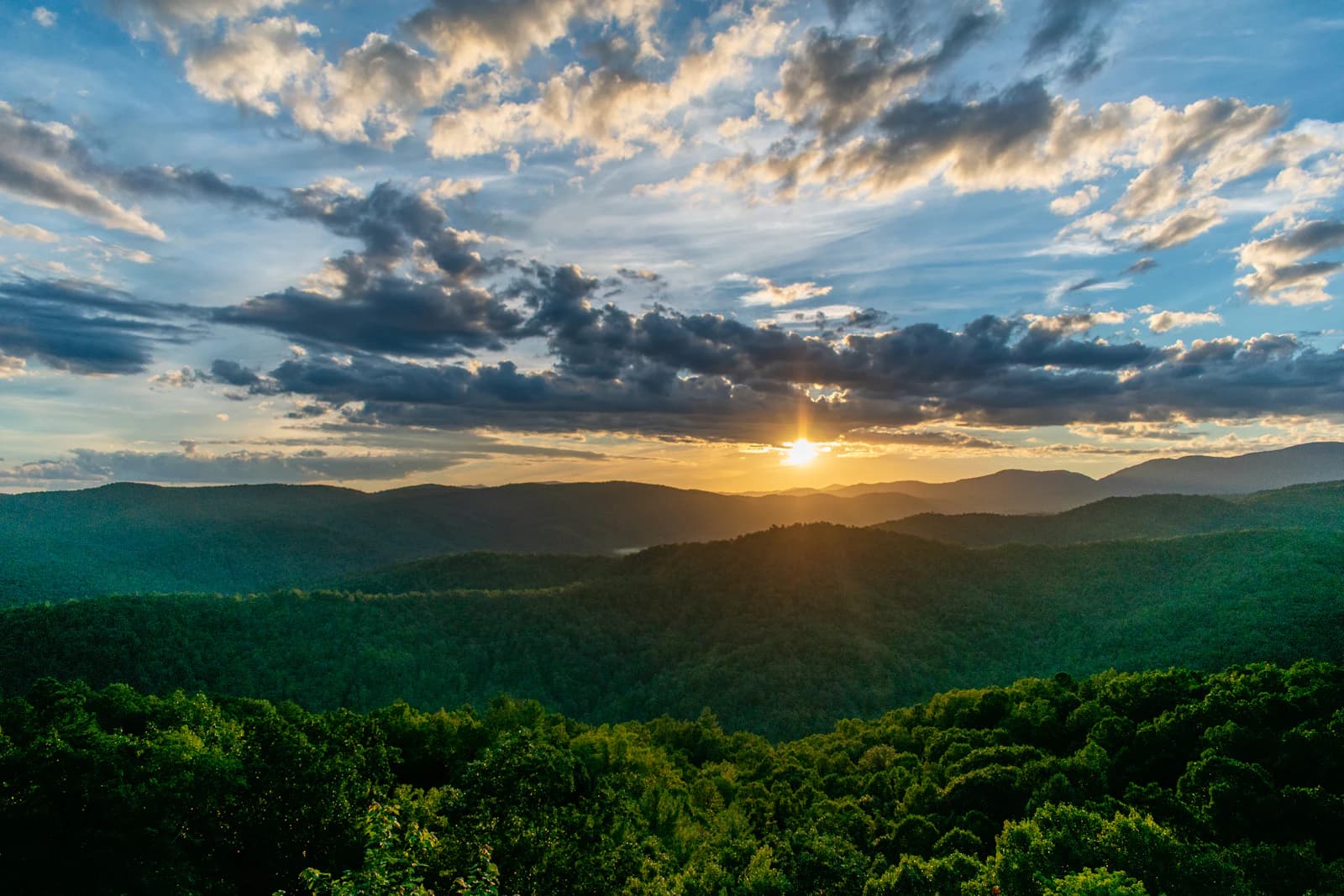
West Virginia is one of the most underrated states for aspiring homesteaders. It pairs some of the cheapest farmland in the eastern United States with reliable rainfall, a deep self-sufficiency tradition, and rural counties that leave off-grid builders largely alone. The catch is the terrain: this is the Mountain State, and steep ground limits how much of any given parcel you can actually use. This guide covers the practical realities, the rules, and the regions, so you can decide whether Appalachia fits your plans.
For the live, regularly updated numbers, see the West Virginia state data page, and use the full state comparison tool to weigh it against alternatives.
West Virginia at a glance
| Factor | Details (2026) |
|---|---|
| State income tax (top rate) | 5.12% |
| Sales tax | 6% |
| Homestead exemption | $20,000 |
| Avg. farm real estate | ~$3,200/acre (cheap) |
| Number of farms | ~23,000 |
| USDA hardiness zones | 5b–7a |
| Annual rainfall | 40–55 inches |
| Growing season | 150–180 days |
| Water rights | Riparian |
| Off-grid living | Generally legal |
| Building codes | Partial (many rural counties skip residential inspections) |
| Homeschool regulation | Medium |
| Gun laws | Constitutional carry |
| Raw milk | Herd share only |
| Cottage food | Permitted with restrictions |
| Business climate rank | #23 |
| Violent crime | ~315 per 100k |
| Political lean | R+22 |
Why West Virginia for homesteading
Land affordability is the headline. At roughly $3,200 per acre on average for farm real estate, West Virginia sits among the more affordable states in the country, and it does so without sacrificing water, which is the constraint that quietly defeats homesteaders in cheaper but drier states out West. If your budget is the limiting factor, West Virginia deserves a hard look alongside the options in our cheapest states to buy homestead land roundup.
Beyond price, the state has a genuine homestead culture. With about 23,000 farms, many of them small family operations, you'll find feed stores, livestock auctions, canning supplies, and neighbors who already know how to put up firewood and slaughter a hog. That ecosystem shortens your learning curve and keeps supplies close.
The state also leans hard toward personal freedom: constitutional carry, generally permissive off-grid rules, and a political climate (R+22) that tends to favor leaving rural landowners to manage their own affairs. For homesteaders who want minimal interference, that combination is a strong draw.
Taxes and cost of living
West Virginia's tax picture is moderate. The top state income tax rate is 5.12%, and sales tax is 6% statewide. Neither is the lowest in the country, but both are manageable, and the low cost of land and housing does a lot of the heavy lifting on overall affordability.
Homeowners benefit from a $20,000 homestead exemption, which reduces the assessed value subject to property tax for qualifying residents (most generous for those 65 and older or permanently disabled). Property taxes here are already among the lowest in the nation, so a modest homestead with acreage typically carries a light annual tax bill. For a household that earns less and consumes less, the overall cost-of-living math is favorable.
Land and farms
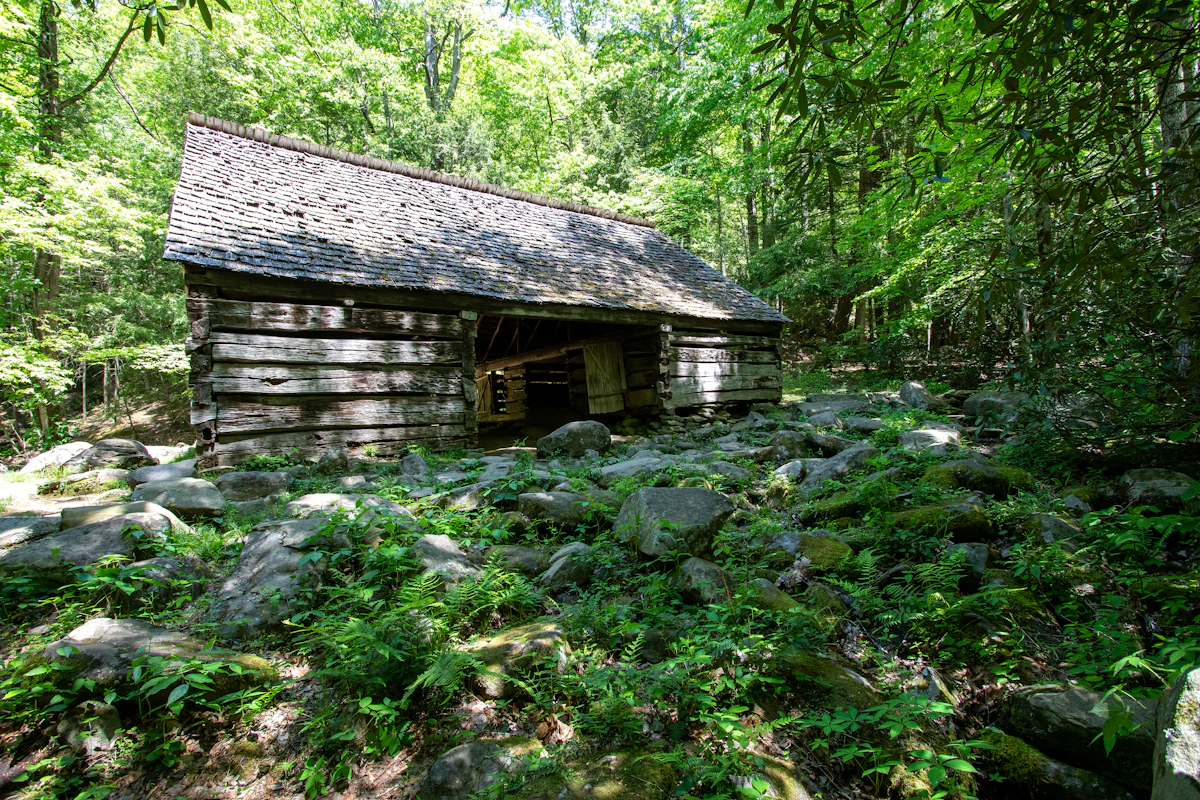
You can buy meaningful acreage in West Virginia for what a small lot costs in many states. That affordability, combined with about 23,000 working farms, means parcels of 10, 40, or 100-plus acres come up regularly, often with a mix of pasture, woodland, and a building site or two.
The single most important rule when shopping here: walk the land before you buy. Parcels are frequently advertised in total acres, but a large share may be too steep to farm, fence, or build on. A 50-acre tract might offer only a few flat acres near a creek and a road. Slope affects everything: where you can put a house and septic, how you run water lines, whether you can pasture animals, and how much hay or garden ground you actually get. Look for the proportion of usable bottomland and gentle slopes, confirm road access and whether it's a deeded easement, and check that the building site drains well.
Climate and growing season
West Virginia spans USDA hardiness zones 5b to 7a, running cooler in the high mountains and milder in the lower valleys and the Eastern Panhandle. The growing season of roughly 150 to 180 days is comfortably long enough for a full vegetable garden, sweet corn, tree fruit, and most staple crops. Elevation is the variable: a homestead at 3,000 feet will see later spring frosts and earlier fall frosts than one in a sheltered river valley, so factor your site's elevation and aspect (south-facing slopes warm earlier) into your planting plans.
Water
This is where West Virginia shines. Annual rainfall of 40 to 55 inches means the state is genuinely well-watered, and springs, creeks, and shallow wells are common across much of the terrain. Dependable water without irrigation infrastructure is a major advantage, and it's the main reason the state outperforms cheaper but arid alternatives.
West Virginia follows riparian water rights, the eastern doctrine: landowners with water on or adjacent to their property generally have the right to reasonable use of it, shared with other riparian owners. This is far simpler and friendlier for small landowners than the prior-appropriation systems out West. Even so, confirm well and spring rights at the parcel level before you count on them.
Building codes and off-grid
West Virginia is a standout for off-grid and owner-builders. The state's building code enforcement is best described as partial: many rural counties have not adopted or do not enforce residential building codes, and some skip residential inspections entirely. That makes it one of the friendlier places in the eastern US to build a cabin, install a composting toilet, run on solar, or develop a property in stages without a permitting fight.
Off-grid living is generally legal here, including off-grid water, power, and waste systems. The important caveat is that "partial" means county by county: what flies in a remote interior county may not near a metro area. Septic and well permits are typically handled at the county or state health-department level even where structural inspections are absent. Before you buy, call the specific county's planning or health office and confirm exactly what is and isn't required at your site.
Food freedom: cottage food and raw milk
West Virginia's food-freedom rules are mixed but workable. Cottage food sales are permitted with restrictions, letting home producers sell certain non-hazardous foods (baked goods, jams, and similar shelf-stable items) directly to consumers, subject to labeling and product limits. If selling value-added farm products is part of your income plan, review the current cottage-food categories and any sales caps with the state.
Raw milk is more restrictive. West Virginia allows raw milk through herd shares only: you can legally obtain it by owning a share of the animal, but retail sale is not permitted. If unrestricted raw-milk access is a priority, compare your options in our raw milk laws by state guide before committing.
Homeschooling and gun laws
Homeschooling is legal and widely practiced, but West Virginia's regulation is medium, meaning more reporting than the lightest states. Families typically file a notice of intent, meet a parental qualification standard, and submit annual academic assessments (such as standardized test results) to demonstrate progress. It's entirely manageable, just not paperwork-free, so build the annual notice and assessment into your calendar.
On firearms, West Virginia is a constitutional carry state: residents who can legally own a firearm may carry it openly or concealed without a permit. The state also offers an optional permit for reciprocity when traveling. For homesteaders, this is among the most permissive frameworks in the country.
Best regions for homesteading
The Greenbrier Valley and southeastern West Virginia. This area has some of the state's widest, most fertile valleys and best farmland. If you want workable bottomland for pasture and crops rather than a steep woodland retreat, this region offers the most usable ground, though desirable farmland is priced accordingly.
The Eastern Panhandle. Closest to the Washington, DC metro, the Panhandle has milder winters, good infrastructure, and the easiest access to off-farm jobs and markets. The trade-off is price: proximity to the metro makes this the most expensive part of the state for land.
The Appalachian interior and mountains. The cheapest land is in the steep, remote interior. You'll find the most acreage per dollar and the most privacy here, along with the strongest off-grid culture and the lightest code enforcement. The trade-offs are steeper terrain, longer drives to services, and a smaller share of farmable ground per parcel. This is classic walk-the-land territory.
Downsides and things to watch
Be clear-eyed about the catches:
- Terrain limits usable acreage. The biggest one. Always walk a parcel and assess slope, drainage, and the size of any flat building and pasture areas before buying.
- Herd-share-only raw milk. No retail raw milk sales, which matters if that's part of your plan.
- Medium homeschool regulation. Notice of intent plus annual assessments, more than the freest states.
- Remoteness. The cheapest interior land can mean long drives for groceries, fuel, healthcare, and farm supplies, plus weaker cell and broadband coverage.
- County variation. Off-grid and building rules differ significantly by county; never assume, always verify locally.
- Winters and access. Mountain roads can be steep and snowy; confirm year-round access and how a property handles ice and washouts.
On safety, the statewide violent crime rate is around 315 per 100k, roughly in line with national norms, and rural homestead counties generally trend lower than the statewide figure.
Getting started
A sensible path into a West Virginia homestead looks like this:
- Set your priorities. Decide what matters most: cheapest land, best farmland, off-grid freedom, or proximity to jobs. That choice points you to a region.
- Compare the numbers. Use the West Virginia data page and the state comparison tool to benchmark it against neighbors. A close one worth a look is our Kentucky homesteading guide, and the best states for homesteading in 2026 overview puts it in national context.
- Call the county. Before making an offer, contact the target county's planning and health departments to confirm building, septic, and off-grid requirements.
- Walk every parcel. Assess slope, water, road access, drainage, and the real size of usable building and growing ground.
- Verify the rules at closing. Confirm cottage-food categories, herd-share arrangements, homeschool filings, and any easements before you commit.
Conclusion
West Virginia delivers a rare combination for eastern homesteaders: cheap land, abundant water, an established rural culture, and genuinely off-grid-friendly counties, all in a state that leans toward leaving landowners alone. The price you pay is terrain. If you walk the land, verify the county rules, and choose a region that matches your goals, the Mountain State can be one of the best-value places in the country to build a self-sufficient life.
Start by comparing the live data on the West Virginia state page, then weigh it against every other option with the full state comparison tool.
Frequently Asked Questions
Is West Virginia a good state for off-grid living?
Yes. Off-grid living is generally legal, and many rural counties enforce building codes only partially, with some skipping residential inspections entirely. Rules vary by county, so confirm building, septic, and water requirements with your specific county before buying.
How much does homestead land cost in West Virginia?
Average farm real estate runs around $3,200 per acre, among the more affordable in the eastern US. The cheapest land is in the steep Appalachian interior; the most expensive is in the Eastern Panhandle near the DC metro. Because terrain varies so much, the usable acreage matters more than the price per acre.
Can you sell raw milk in West Virginia?
Not at retail. West Virginia allows raw milk through herd shares only, where you own a share of the animal. Compare options in our raw milk laws by state guide.
What is the growing season like in West Virginia?
The state spans USDA zones 5b to 7a with a growing season of roughly 150 to 180 days and 40 to 55 inches of annual rainfall. Reliable water and a solid season support a full garden, fruit trees, and staple crops, though elevation shortens the season at higher altitudes.
Data reflects 2026 figures. Rules vary by county and change over time, so always verify current building, food, and homeschooling requirements with local and state authorities before buying.

 Your brand here — Reach our audience of professional directory owners and boost your sales.