Homesteading in Virginia: The Complete 2026 Guide
Homesteading in Virginia: fertile valleys, reliable rainfall, riparian water, and a statewide building code. Taxes, land prices, food freedom, and more.
Written by Homestead Finder Editorial
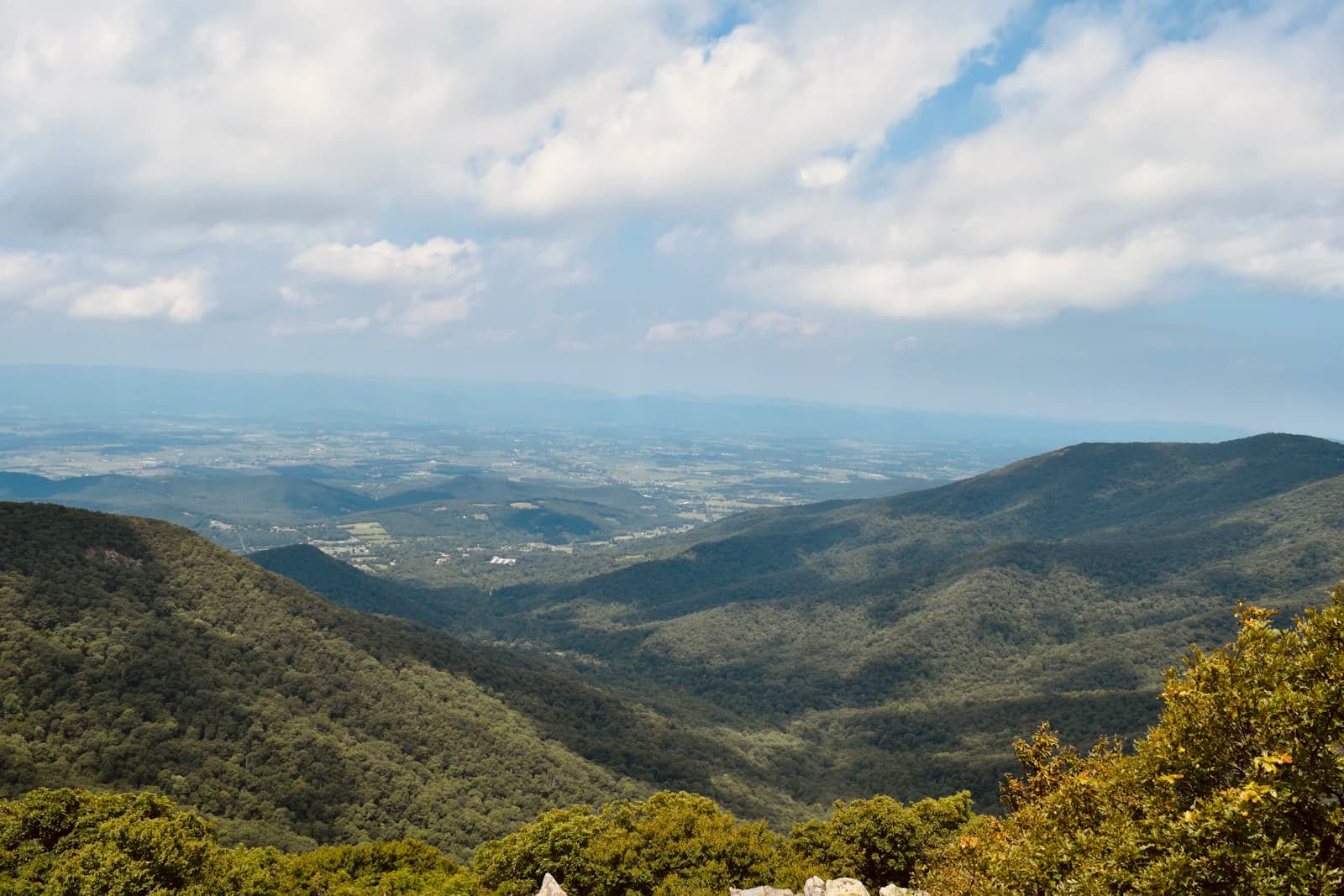
Virginia is one of the most appealing Southeastern states for homesteading if you value good soil, dependable water, and four real seasons. The Shenandoah Valley and Blue Ridge are genuinely beautiful and productive, the state has solid agricultural infrastructure, and rainfall is reliable across most of the state. The trade-offs are real, though: land costs more than in much of the Southeast, there is a statewide building code, homeschooling carries moderate regulation, and Virginia has no broad homestead property-tax exemption.
This guide walks through the practical details a buyer should weigh before putting down roots here. For current, structured numbers, start with our live Virginia state page, and use this article for the narrative context behind those figures. You can also compare Virginia against every other state from the states overview. All figures here reflect 2026 data; always verify county and town rules before you buy, since local ordinances vary widely within Virginia.
Virginia at a glance
| Factor | Details |
|---|---|
| State income tax (top rate) | 5.75% |
| Sales tax | 4.3% |
| Business-climate rank | #27 |
| Homestead exemption | $0 (no broad exemption; some elderly/disabled relief) |
| Avg. farm real estate | ~$6,200/acre |
| Number of farms | ~32,500 |
| USDA hardiness zones | 6a-8a |
| Annual rainfall | 36-50 inches |
| Growing season | 170-210 days |
| Water rights | Riparian (favorable) |
| Off-grid living | Generally legal |
| Building codes | Yes (statewide code) |
| Homeschool regulation | Moderate |
| Concealed carry | Shall-Issue |
| Raw milk | Herdshare only (no retail or farm sale) |
| Cottage food | Permitted (jams, baked goods, honey, preserves) |
| Solar | ~4.1 peak sun hours |
Why Virginia for homesteading
Virginia's biggest draw is its combination of fertile land and dependable water. The valleys are productive, the growing season is long enough to support a wide range of crops, and rainfall of 36 to 50 inches a year means most homesteaders are not fighting drought to keep a garden or pasture alive. That reliability is the foundation of a workable homestead, and it is something many drier Western states cannot offer.
The state also has mature agricultural infrastructure. With around 32,500 farms, you are not starting from scratch: feed stores, equipment dealers, livestock auctions, extension offices, and established farmers markets are within reach in most regions. Four distinct seasons give you cold enough winters to manage pests and chill fruit trees, and warm summers to ripen heat-loving crops.
The catch is price. At roughly $6,200 per acre on average, farm real estate in Virginia runs pricier than most Southeastern states. That premium buys you good ground and good water, but your land budget will stretch less here than in, say, neighboring West Virginia. If raw affordability is your top priority, it is worth comparing both before committing.
Taxes and cost of living
Virginia's top state income tax rate is 5.75%, which is moderate by national standards. Sales tax is a relatively low 4.3% at the state level, though localities add to it. The state's business climate ranks #27, squarely in the middle of the pack.
The most important number for many homesteaders is the homestead exemption, and here Virginia is weak: there is no broad statutory homestead exemption that shields a large chunk of your property value from taxes. Some property-tax relief exists for elderly and disabled owners, but most working-age homesteaders will not benefit from it. If a homestead exemption is central to your planning, read our homestead exemptions by state guide to see how Virginia compares and to factor the difference into your long-term budget. Property tax rates themselves are set at the county and city level, so they vary considerably across the state.
Land and farms
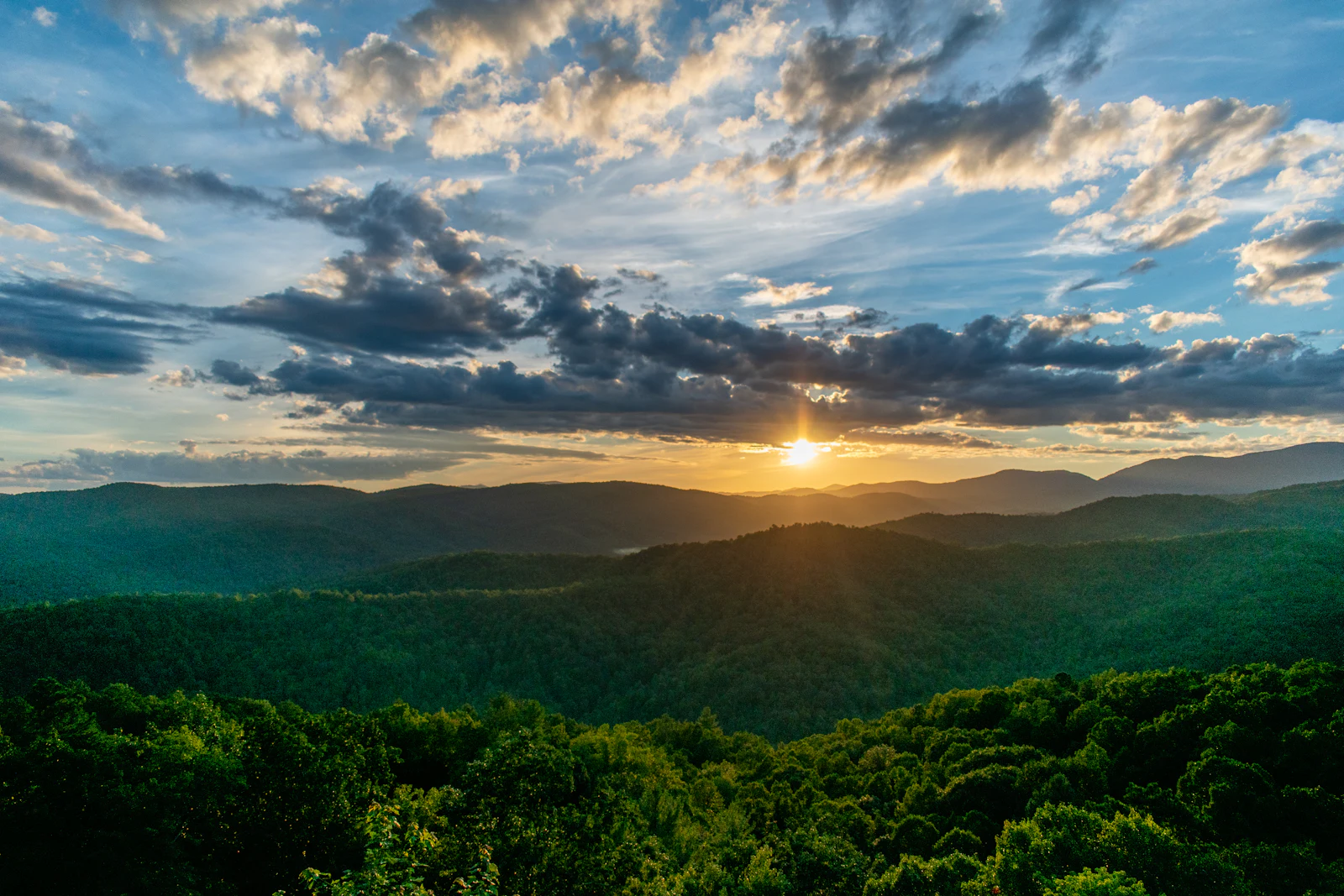
Virginia farmland is good, and it is priced accordingly. The ~$6,200/acre average reflects strong soils, reliable rainfall, and proximity to large Eastern markets. Prices vary enormously by region: land in remote Southwest Virginia is far cheaper than acreage anywhere near the Northern Virginia and Washington, DC metro, where parcels are both expensive and heavily regulated.
With roughly 32,500 farms statewide, you will find an active land market and plenty of working examples of cattle, poultry, orchard, vineyard, and diversified vegetable operations. When you evaluate a parcel, look closely at how much of it is genuinely usable: Virginia's terrain ranges from flat coastal plain to steep Appalachian ridges, and a low per-acre price on a mountainside can be deceptive if much of the ground is too steep to farm or build on.
Climate and growing season
Virginia spans USDA hardiness zones 6a through 8a, giving you real flexibility depending on where you settle. The growing season runs roughly 170 to 210 days, long enough for most homestead staples plus a respectable run of warm-season crops. Higher elevations in the mountains sit at the colder end of that range; the Tidewater and coastal southeast at the warmer end.
The four-season climate is an asset for a working homestead. Winters are cold enough to provide fruit-tree chill hours and knock back pests, while summers are warm and humid enough to grow tomatoes, peppers, melons, and sweet potatoes. Humidity does bring fungal pressure, so plan for disease-resistant varieties and good airflow in the garden.
Water
Water is one of Virginia's strongest selling points. The state follows the riparian doctrine, which is generally favorable for homesteaders: water rights are tied to land that borders a water source, and landowners along a stream or pond have reasonable-use rights rather than competing for scarce appropriated allocations as in the arid West. Combined with 36 to 50 inches of annual rainfall, this makes catching, storing, and using water relatively straightforward in most of the state.
Riparian rules still come with responsibilities and limits, and large withdrawals or pond construction can trigger permitting. To understand how the doctrine works and what it means for your plans, see our deeper water rights for homesteaders explainer, then confirm specifics with your county before relying on a given source.
Building codes and off-grid living
Off-grid living is generally legal in Virginia, but you do it inside a statewide building code. This is the key regulatory fact to internalize: unlike a few states with patchy or nonexistent rural enforcement, Virginia applies a uniform code, so you will face more permitting and inspection for new structures, electrical, plumbing, and septic than in a true hands-off state.
In practice this means you can install solar, harvest rainwater, dig a well, and live without a grid connection, but your dwelling and systems still need to meet code and pass inspection. Septic permitting in particular is something to confirm early, since soil conditions and lot size affect what you can install. The upside of a statewide code is consistency: rules do not vanish or change unpredictably from one township to the next, even though local administration and fees still differ. With ~4.1 peak sun hours, solar is workable for off-grid power, though you will want to size a system for cloudier winter stretches.
Food freedom: cottage food and raw milk
Virginia is moderately friendly on food freedom. The state's cottage food allowances let you make and sell permitted foods such as jams, baked goods, honey, and certain preserves, which is a practical path to small-scale homestead income without a commercial kitchen. Always confirm the current list of approved products and any labeling or sales-venue requirements before you sell.
Raw milk is more restricted. Virginia does not allow open retail sale of raw milk; instead, access runs through herdshare arrangements rather than retail or farm sales (there is no licensing route for raw-milk sales). If selling or sharing raw dairy is part of your plan, research the herdshare model carefully and structure it correctly. Cannabis law remains restrictive in Virginia, with no broad retail market, so do not factor a commercial cannabis crop into your homestead economics.
Homeschooling and gun laws
Homeschooling in Virginia carries moderate regulation. Families generally file a notice of intent and must show evidence of academic progress, such as testing or an evaluation. It is more paperwork than the least-regulated states but entirely manageable, and the state has a large, well-established homeschool community for support.
On firearms, Virginia is a Shall-Issue state for concealed carry, meaning qualified applicants who meet the criteria are issued a permit. For homesteaders who keep firearms for predator control, hunting, or self-reliance, the legal framework is straightforward, though as always you should verify current requirements before purchasing or carrying.
Best regions for homesteading
Virginia's regions differ enough that picking the right one matters as much as picking the right parcel.
Shenandoah Valley and Blue Ridge
The scenic, fertile valley running between mountain ranges is the classic Virginia homestead country: productive farmland, reliable water, and strong agricultural infrastructure. It is popular and productive, which also means demand keeps prices up. If you want proven ground and an established farming community, this is the heartland.
Southwest Virginia
The Appalachian southwest is cheaper and more remote. You trade convenience and some flat, easily worked acreage for lower land costs and privacy. This region suits buyers prioritizing affordability and self-reliance over proximity to markets and services.
The Piedmont
Central Virginia's rolling hills sit between the mountains and the coast. The Piedmont offers a middle ground of decent land and reasonable access to towns and cities, making it a practical compromise for many homesteaders.
Tidewater and the coastal east
The flat coastal southeast has workable land and a long growing season, but prices climb near the metro areas, and some parts carry flood risk. Check elevation and flood-zone maps carefully before buying here.
A note on Northern Virginia: steer clear if you are homesteading. The land near the DC metro is expensive and heavily regulated, and it is the wrong fit for anyone trying to build an affordable, low-friction homestead.
Downsides and things to watch
Virginia is a strong homesteading state, but go in clear-eyed about the trade-offs:
- Higher land prices. At ~$6,200/acre on average, Virginia costs more than most of its Southeastern neighbors.
- No broad homestead exemption. The $0 exemption means less property-tax shelter than many states offer.
- Statewide building code. Off-grid is legal but comes with more permitting and inspection.
- Moderate homeschool regulation. Expect notice of intent and evidence of progress, not a no-strings approach.
- Restricted raw milk and cannabis. Plan around herdshare rules for dairy, and do not count on commercial cannabis.
- Northern Virginia premium. Land near the DC metro is expensive and over-regulated for homesteading.
For context, statewide violent crime runs around 410 per 100,000, and the state leans Democratic politically (roughly D+7). Neither should drive a homestead decision on its own, but both are worth knowing as you weigh regions and communities.
Getting started
If Virginia fits your priorities, a sensible path looks like this:
- Pick your region first. Decide between valley productivity (Shenandoah/Blue Ridge), affordability (Southwest), balance (Piedmont), or coast (Tidewater), and rule out Northern Virginia.
- Set a realistic land budget. Use the ~$6,200/acre average as a starting point and adjust by region, then confirm usable acreage on any parcel.
- Verify county rules early. Building code administration, septic permitting, and property taxes are local. Confirm them before you make an offer.
- Plan your water. Riparian rights and good rainfall are an advantage; check water sources, well feasibility, and any permitting for ponds or large withdrawals.
- Map your income. Cottage food gives a low-barrier start; understand herdshare rules before counting on dairy sales.
Compare Virginia head-to-head with other contenders using our best states for homesteading 2026 roundup, and lean on the live Virginia data page for the latest numbers as you narrow your search.
Conclusion
Virginia rewards homesteaders who want good soil, reliable water, and four real seasons, and who can absorb higher land prices and a statewide building code in exchange. The fertile valleys, favorable riparian water rights, and solid agricultural infrastructure make it one of the more productive places to build a self-reliant life in the Southeast. Go in knowing the trade-offs, choose your region deliberately, and verify local rules before you buy.
Ready to dig into the numbers? Explore the live Virginia state page and start comparing your options on Homestead Finder.
Frequently Asked Questions
Does Virginia have a homestead exemption?
No broad statutory homestead exemption exists in Virginia, so it offers $0 of general protection of that kind. There is some property-tax relief for elderly and disabled owners, but most working-age homesteaders will not qualify. Property tax rates are set locally, so check your specific county.
Is off-grid living legal in Virginia?
Yes, off-grid living is generally legal, but Virginia enforces a statewide building code. You can use solar, wells, and rainwater, but your dwelling and systems must meet code and pass inspection, which means more permitting than in states with little rural enforcement. Confirm septic and building requirements with your county.
Can I sell raw milk or cottage foods in Virginia?
Cottage foods such as jams, baked goods, honey, and certain preserves are permitted, subject to current rules. Raw milk is restricted: there is no open retail sale or licensed farm sale, and access generally runs through herdshare arrangements. Verify the current product list and dairy rules before selling.
Where is the best place to homestead in Virginia?
It depends on your priorities. The Shenandoah Valley and Blue Ridge offer fertile, productive farmland; Southwest Virginia is cheaper and more remote; the Piedmont balances land and access; and the Tidewater coast has a long season but pricier, sometimes flood-prone land. Avoid Northern Virginia, which is expensive and heavily regulated.

 Your brand here — Reach our audience of professional directory owners and boost your sales.