Homesteading in South Dakota: The Complete 2026 Guide
South Dakota homesteading guide: no income tax, cheap land, no statewide building code, constitutional carry, plus the catches of cold winters and aridity.
Written by Homestead Finder Editorial
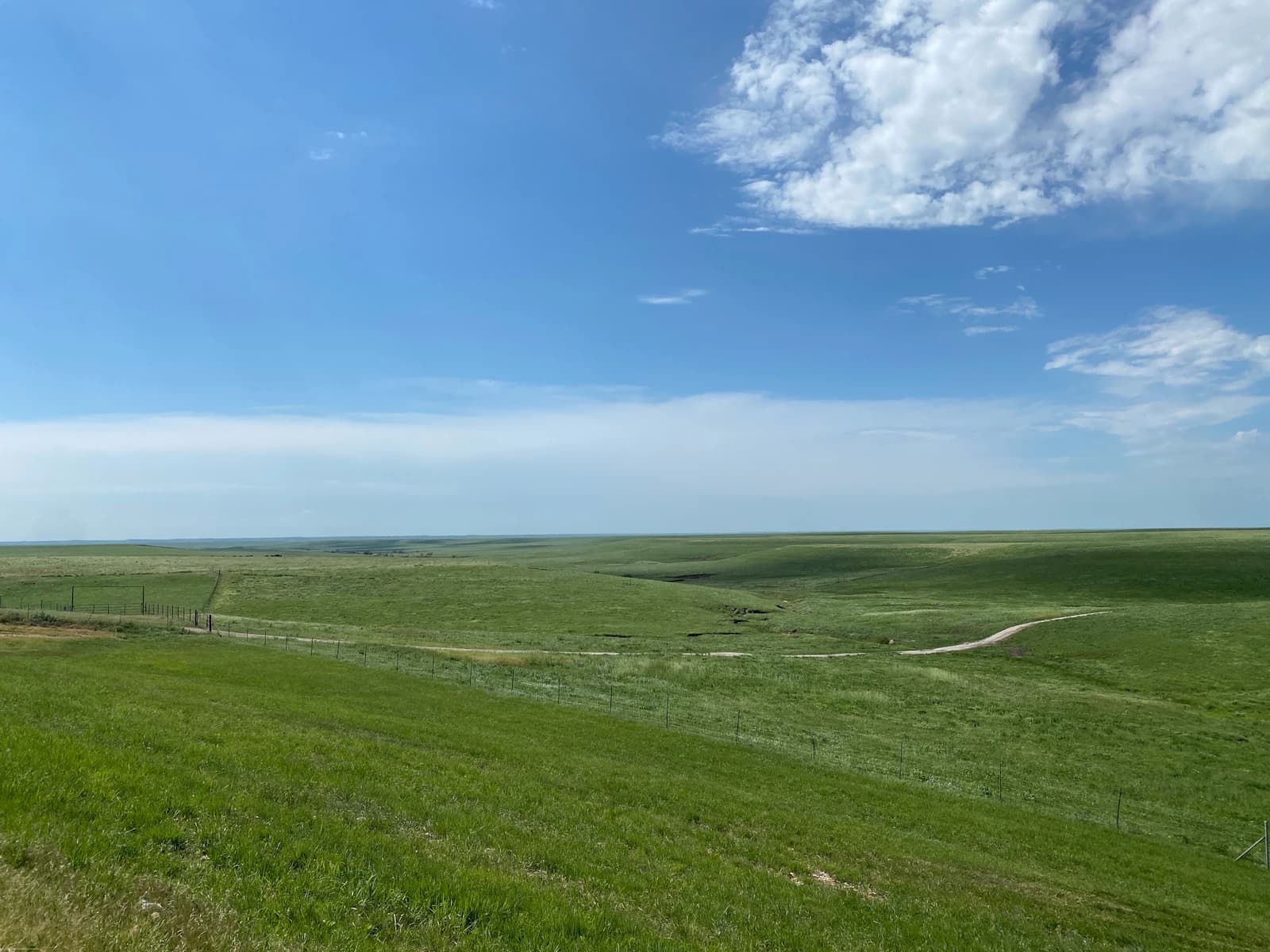
South Dakota does not get the attention that states like Montana, Tennessee, or Missouri get from the homesteading crowd, and that is part of its quiet appeal. You get no state income tax, some of the cheapest farm and ranch land in the country, no statewide building code, and a culture that genuinely leaves you alone. The catches are real, though: cold winters, a short growing season, and aridity that gets serious west of the Missouri River. For the right homesteader, the trade is well worth it.
This guide is the narrative companion to our live, regularly updated South Dakota state data page, where you can line the hard numbers up against other states. Here we walk through what those numbers mean on the ground so you can decide whether South Dakota belongs on your shortlist. You can also browse all 50 states to compare side by side.
South Dakota at a glance
| Factor | Detail (2026) |
|---|---|
| State income tax | None |
| Sales tax (state) | 4.6% |
| Business climate rank | #12 |
| Homestead exemption | $0 statutory dollar cap (see note below) |
| Avg. farm real estate | ~$1,950/acre (among the cheapest in the US) |
| Number of farms | ~32,000 |
| USDA hardiness zones | 3a–5a (cold) |
| Annual rainfall | 12–28 inches (drier west, wetter east) |
| Growing season | 120–160 days |
| Water rights | Prior appropriation |
| Building codes | No statewide code; adopted locally |
| Off-grid living | Generally legal |
| Homeschool regulation | Minimal |
| Firearms | Constitutional carry |
| Raw milk | Permitted with licensing/registration |
| Cottage food | Permitted (jams, baked goods, honey, dried goods) |
| Political lean | R+15 |
Why South Dakota for homesteading
South Dakota's case rests on a simple stack: low taxes, cheap land, and light regulation. There is no state income tax at all, which puts every dollar of off-farm income or self-employment earnings straight to work. Land is among the most affordable in the country. And with no statewide building code, much of the state lets you build on your own terms. Few states combine all three this cleanly.
It is also a real working agricultural state. With roughly 32,000 farms and ranches, the rural infrastructure is here: grain elevators, livestock sale barns, feed and equipment dealers, and neighbors who already run cattle, raise hogs, and put up hay. You will not be reinventing the wheel. The flip side of that low population is genuine elbow room. If you want space, dark skies, and distance from neighbors, South Dakota delivers it without trying.

Taxes and cost of living
This is where South Dakota separates itself. There is no state income tax, period, one of only a handful of states that can say that. The state sales tax is 4.6%, among the lowest in the nation, though local jurisdictions add their own on top, so check the combined rate where you plan to buy. The state's business climate ranks #12 nationally, which matters if you intend to sell value-added farm products or run a small operation.
One caveat worth flagging: South Dakota's statutory dollar homestead exemption is limited (effectively $0 in the simple cap sense), even though the state protects a homestead from forced sale in other ways. The income-tax and sales-tax picture is excellent, but if asset protection is a priority for you, it is worth checking the specifics with a local attorney rather than assuming the homestead protection works the way it does in other states. Overall, rural cost of living runs below the national average, which stretches a land budget further.
Land and farms
Average farm real estate runs around $1,950 per acre statewide, which places South Dakota among the cheapest states in the country to buy rural land. That headline number hides a wide spread: productive cropland in the eastern counties commands more, while rangeland out west can be dramatically cheaper per acre, though you typically need a lot more of it to run the same number of livestock.
Because so much land here is ranch and rangeland, you are often buying acreage by the section rather than by the lot, and the dollar-per-acre math rewards anyone whose plan leans toward grazing and space over intensive tillage. If you are still weighing where to put down roots, our roundup of the cheapest states to buy homestead land puts South Dakota's values in national context, and our best states for homesteading in 2026 guide weighs cost against the other factors that matter.
Climate and growing season
This is the part to take seriously. South Dakota spans USDA hardiness zones 3a to 5a, which is cold — genuinely cold. Winters are long, windy, and harsh, and the growing season runs roughly 120 to 160 days depending on where you settle, on the shorter end in the north and west. That is enough for a solid garden of cold-hardy and short-season crops, plus warm-season staples like tomatoes and squash with some season-extension help, but it is not forgiving country for heat-loving crops or long-maturing varieties.
Plan around the cold rather than fighting it. High tunnels and hoop houses pay for themselves quickly here, root cellars make sense, and cold-hardy livestock, fruit, and grain varieties are the norm for a reason. Wind is a constant, so shelterbelts and windbreaks are not decoration — they are infrastructure that protects animals, soil, and structures.
Water
South Dakota follows the prior appropriation doctrine, the Western "first in time, first in right" system rather than the riparian rights common back East. Under prior appropriation, the right to use water is a separate, permitted allocation, and owning land along a creek does not automatically give you unlimited rights to it. For homesteaders coming from the East, this is the single biggest legal mindset shift, and it deserves real attention before you buy.
Aridity compounds it. Rainfall ranges from about 12 inches in the dry west to 28 inches in the wetter east, so much of the state is genuinely dry and irrigation or hauled water can be part of the picture. Before closing on any parcel, confirm the well situation: depth, yield, water quality, and what water rights, if any, convey with the land. Dugouts and stock dams are common for livestock, but do not assume a year-round surface source unless you have verified it.
Building codes and off-grid living
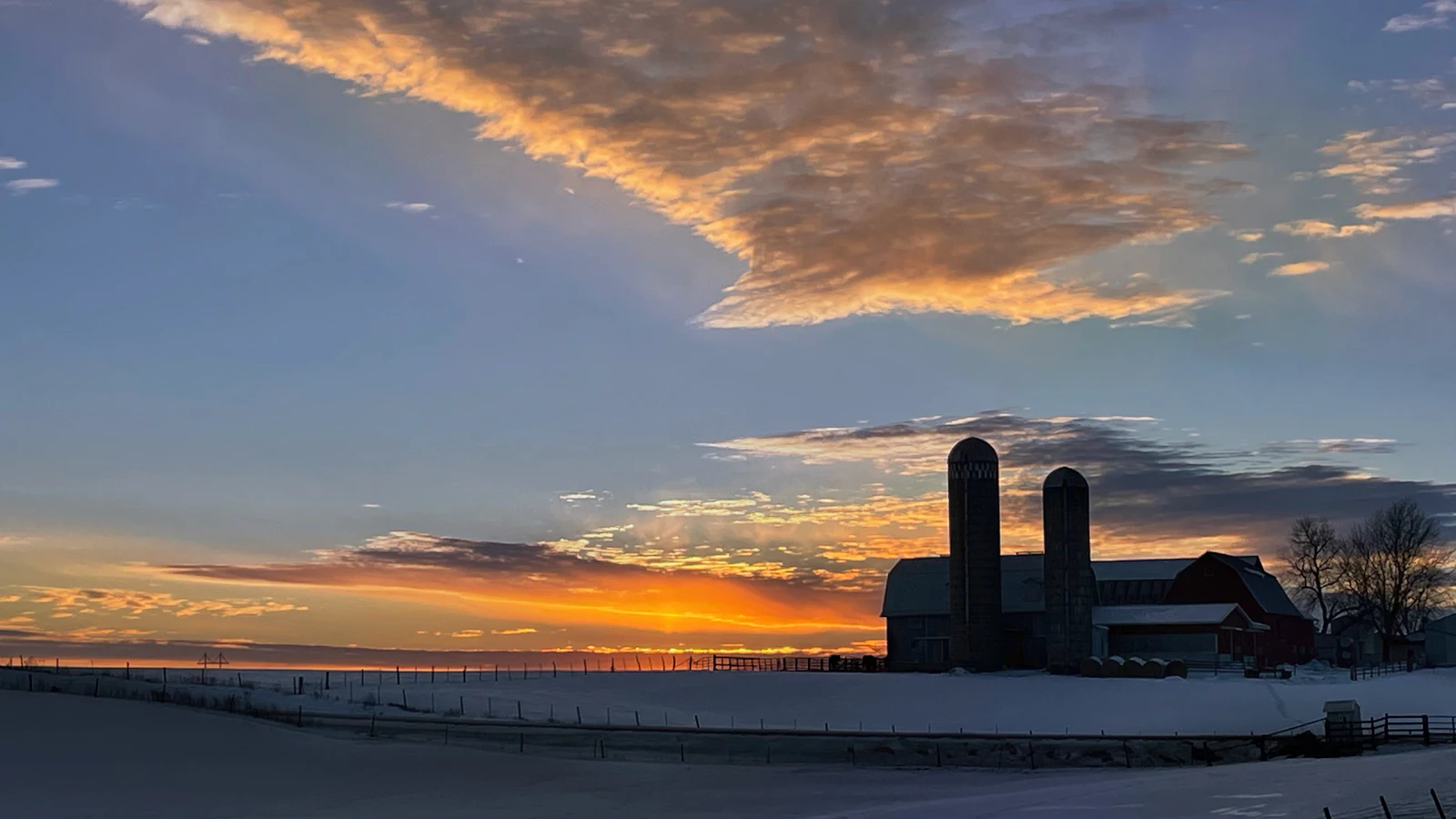
For the independent-minded, South Dakota is strong here. There is no statewide building code. Codes are adopted locally, and many rural counties have little or no enforcement, no permitting for owner-built structures, and no inspections to clear. That gives you the freedom to build a cabin, barn, or off-grid home on your own timeline and budget, one of the reasons the state earns a place in our guide to the best states with no building codes.
Off-grid living is generally legal. Solar, wind (you will have plenty of it), battery storage, and private septic are all workable. Two practical notes: first, building to handle the cold and wind is non-negotiable here regardless of whether anyone inspects it, so insulate and anchor accordingly. Second, septic and well systems are typically regulated at the county or state level even where building is not, so verify those specifics. The recurring theme: rules vary county to county, so always confirm the local requirements before you close.
Food freedom: cottage food and raw milk
South Dakota gives small producers reasonable room. Cottage food sales are permitted, covering non-hazardous homemade items such as jams, baked goods, honey, and dried goods sold directly to consumers without a commercial kitchen. As always, the allowed categories and labeling rules are specific, so read the current requirements before you set up a stand.
Raw milk is permitted, but with licensing and registration requirements rather than as a free-for-all. For a homesteader with a family cow or a few goats who wants to sell, that means following the state's process rather than skipping it. Verify the latest rules before you sell a single jar. Note also that cannabis is legal for medical use only in South Dakota (voters approved a medical program in 2020); recreational use remains illegal.
Homeschooling and gun laws
South Dakota keeps homeschool regulation minimal. The state has moved toward a light-touch approach with limited oversight, no heavy testing or portfolio burden, which makes educating at home straightforward for families who want to keep bureaucracy out of it. Confirm the current notification requirements with the state, since the specifics have evolved, but the overall posture is hands-off.
On firearms, South Dakota is a constitutional carry state, meaning a permit is not required to carry a handgun for those legally allowed to possess one. Combined with the strong property-rights tradition and rural culture, this rounds out a state that leans clearly toward personal freedom (the political lean is roughly R+15). Statewide violent crime sits around 348 per 100,000, on the lower side nationally, and rural counties are generally safer still.
Best regions for homesteading
East River (east of the Missouri). This is the agricultural heart of the state and the easier place to homestead. East River gets more rainfall, has better and deeper soils, and supports row-crop agriculture along with livestock. Land costs more than out west, but the moisture and productivity make it the more forgiving choice for anyone who wants to grow crops as well as run animals.
West River (west of the Missouri). Drier, more open rangeland, and cheaper per acre. This is ranching country, big skies, big parcels, and a long tradition of running cattle on grass. The aridity and short season make intensive gardening harder, so this region rewards a grazing-first plan and a tolerance for hauling or pumping water.
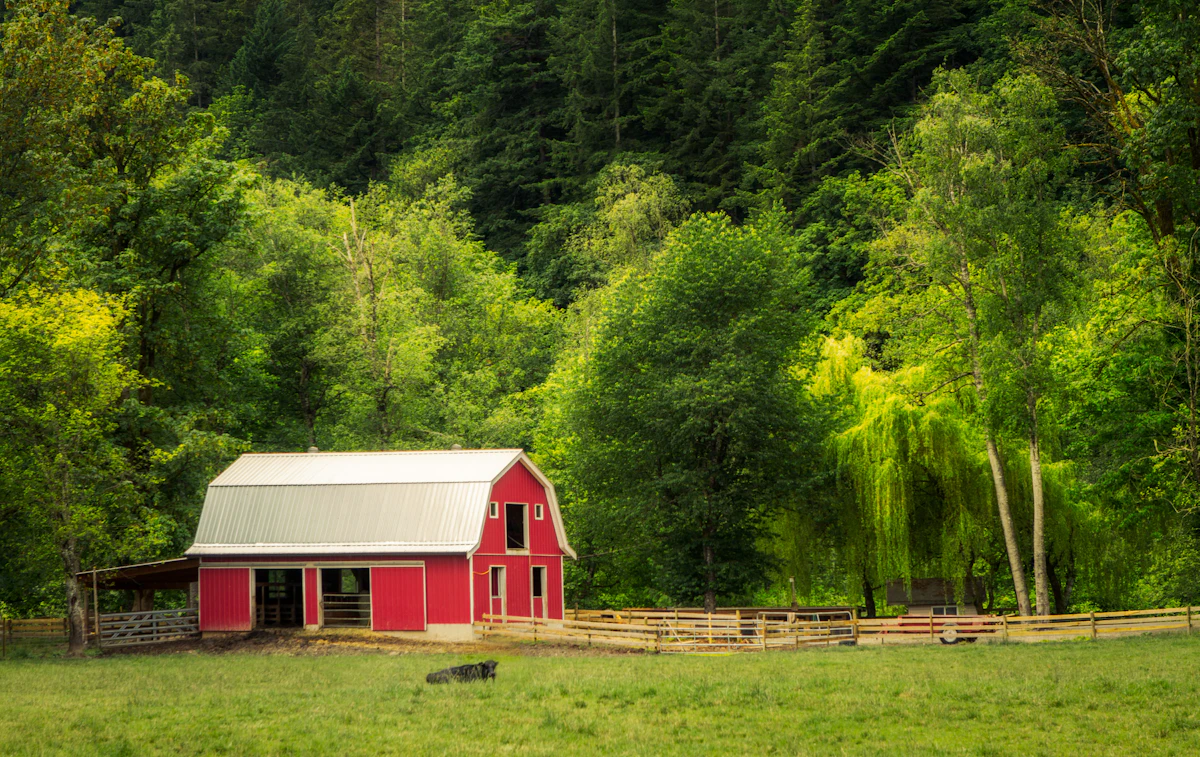
The Black Hills. Scenic, forested, and a genuine draw, but pricier and more developed than the surrounding plains. The Hills offer timber, elevation, and beauty, but you will pay for it, and forested ground brings its own considerations around fire and access. Worth a look if landscape and trees rank high on your list, less so if cheap, workable acreage is the goal.
Downsides and things to watch
Be honest with yourself about the climate. The cold is the headline trade-off: zones 3a to 5a mean long, hard winters and a short season that will limit what you can grow without infrastructure. The wind never really stops, and that affects everything from heating costs to livestock care to how you site and build.
Aridity is the second big one, especially West River. With rainfall as low as 12 inches in the west, water is a genuine constraint, and the prior-appropriation system means water rights need to be understood and verified rather than assumed. The eastern half of the state is meaningfully wetter and easier on this front. Finally, because so much is set at the county level, septic rules, nuisance ordinances, and any local zoning genuinely vary, so do your county homework before you commit.
Getting started
Start by being clear about your plan, because it points you to a region. Grazing and ranching with cheap acreage lean West River; row crops and easier gardening lean East River; timber and scenery lean Black Hills. Then narrow to a few counties and dig into their specific rules on building, septic, and water rights, since those are where the real variation lives in South Dakota.
From there, walk the land in person, confirm the well and any water rights that convey, and check property lines, access, and easements. Use the South Dakota data page to compare counties and weigh the state against other contenders. If you are drawn to cold-climate, low-tax, big-sky homesteading, our Montana homesteading guide is a useful side-by-side read, and the full state directory lets you line up all 50 at once.
South Dakota rewards the practical, cold-tolerant homesteader: no income tax, cheap land, room to build, and the freedom to live and educate on your own terms, provided you respect the winters and the water. For a quietly excellent low-cost, low-tax option, it deserves a serious look.
Frequently Asked Questions
Is off-grid living legal in South Dakota?
Yes, off-grid living is generally legal. Solar, wind, battery storage, and private systems are all workable, and there is no statewide building code. Septic and well systems are typically regulated at the county or state level, so confirm requirements with your specific county before building, and build for the cold and wind regardless of inspection.
Where is the cheapest land for homesteading in South Dakota?
West River, the rangeland west of the Missouri, generally offers the lowest per-acre prices, with the statewide average around $1,950 per acre and ranch ground often below that. The trade-off is aridity and a short season, so it suits a grazing-first plan more than intensive cropping. East River costs more but is wetter and more productive.
Can I sell raw milk and homemade food in South Dakota?
Raw milk sales are permitted but require licensing and registration, so you follow the state's process rather than selling informally. Cottage food sales are permitted for non-hazardous homemade items like jams, baked goods, honey, and dried goods. Both areas have specific rules, so verify the current requirements before selling.
How cold is South Dakota for homesteading?
Cold. The state spans USDA hardiness zones 3a to 5a with a growing season of roughly 120 to 160 days, plus persistent wind. You can grow a productive garden and keep cold-hardy livestock, but season extension like high tunnels, root cellars, and windbreaks make a real difference, and heat-loving or long-maturing crops are a challenge without help.
Data reflects 2026 figures and is for general guidance only. Laws and county rules change, so verify the current requirements with the specific county and relevant South Dakota state agencies before making decisions.

 Your brand here — Reach our audience of professional directory owners and boost your sales.