Homesteading in South Carolina: The Complete 2026 Guide
South Carolina homesteading in 2026: long growing season, riparian water, constitutional carry, minimal homeschool rules, and a $50K homestead exemption.
Written by Homestead Finder Editorial
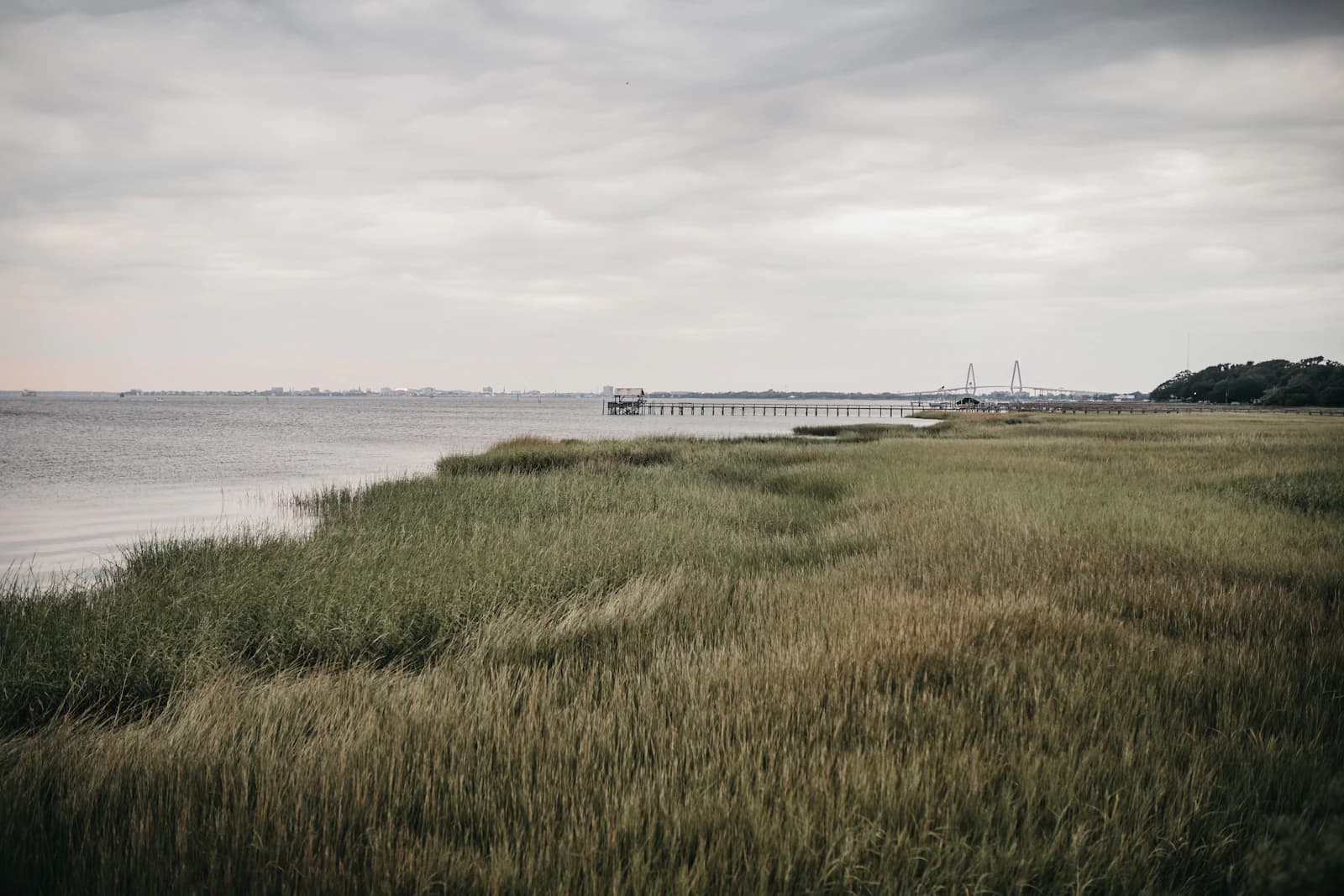
South Carolina sits in a sweet spot for Southeastern homesteaders: a long growing season, dependable rainfall, light-touch rules on schooling and firearms, and affordable rural land. It isn't the cheapest tax state in the region, and the coast carries real hurricane risk, but for many families the trade-offs lean favorable. This guide covers the practical details so you can decide whether the Palmetto State fits your plans. For a quick data snapshot and county-level resources, start with our South Carolina state page, then use this guide to go deeper.
All figures below reflect 2026. Tax rates, county codes, and program rules change often, so always verify current details with the specific county before you buy or build.
South Carolina at a glance
| Factor | Detail |
|---|---|
| State income tax (top rate) | ~5.21% (near-flat for 2026: 1.99% under $30K, 5.21% above) |
| Sales tax | 6% |
| Business-climate rank | #24 |
| Homestead exemption | $50,000 (primary residence; especially homeowners 65+) |
| Avg farm real estate | ~$3,100/acre |
| Number of farms | ~24,500 |
| USDA hardiness zones | 7b-9a |
| Annual rainfall | 40-56 inches |
| Growing season | 210-250 days |
| Water rights | Riparian (favorable) |
| Off-grid living | Generally legal |
| Building codes | Statewide code; rural counties vary |
| Homeschool regulation | Minimal |
| Gun laws | Constitutional carry |
| Raw milk | Permitted with licensing |
| Cottage food | Permitted (jams, baked goods, honey, certain preserves) |
| Cannabis | Illegal |
| Political lean | R+8 |
| Solar | ~4.5 peak sun hours |
Why South Carolina for homesteading
The case for South Carolina rests on a few reliable strengths. The growing season runs 210 to 250 days, among the longest in the country, which opens the door to multiple plantings, long harvests, and warm-season crops that struggle further north. Rainfall of 40 to 56 inches a year means you usually don't have to engineer irrigation around scarcity the way you would in the arid West.
Beyond the land, the legal and cultural environment is friendly to self-reliance. Homeschooling carries minimal regulation, firearms law is constitutional carry, and the state's $50,000 homestead exemption shields a meaningful slice of primary-residence value from property tax, with particular benefit to homeowners 65 and older. Land is reasonably affordable at roughly $3,100 per acre on average, and the state supports about 24,500 farms, so you'll find established agricultural infrastructure, markets, and neighbors who understand rural life.
If you're weighing South Carolina against other states, our best states for homesteading in 2026 roundup puts these factors side by side.
Taxes and cost of living
This is where South Carolina is merely average rather than a standout. For 2026, the state overhauled its income tax (H.4216) into a near-flat structure: income under $30,000 is taxed at 1.99% and the rest at 5.21%, down from a 7% graduated top rate. That puts it broadly in line with neighbors like Georgia's flat 5.19% rather than above them. Sales tax is 6% at the state level (counties may add local options on top). The state's business-climate rank of #24 puts it squarely in the middle of the pack.
The bright spot is property tax. The $50,000 homestead exemption applies to your primary residence and is especially valuable for homeowners 65 and older, lowering the taxable value of your home. Combined with land prices around $3,100 per acre, the cost of acquiring and holding a rural property remains accessible compared with many parts of the country. If income tax matters most to you, compare against lower-tax neighbors using our states overview, and read our Georgia guide for a close comparison.
Land and farms
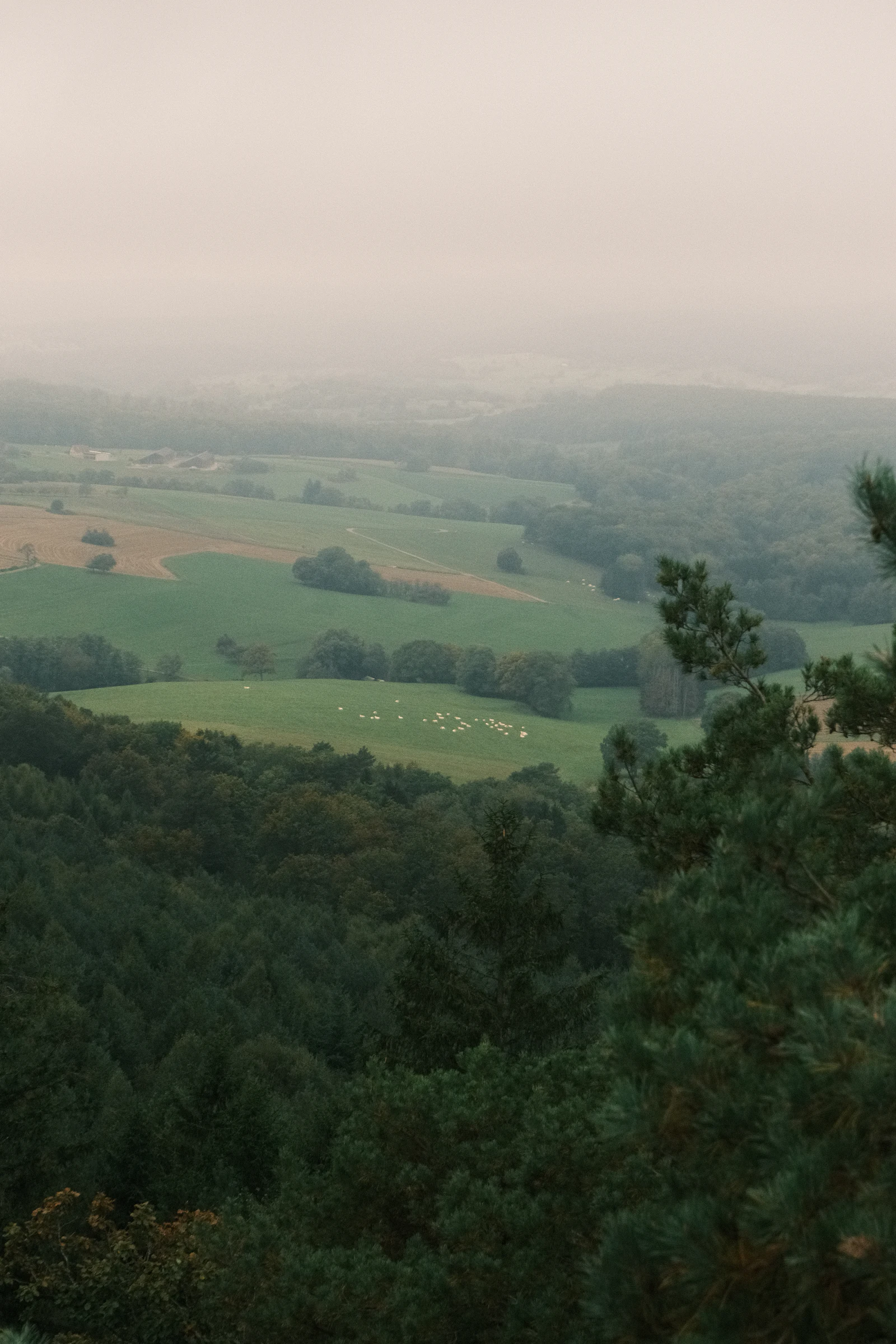
With about 24,500 farms statewide and average farm real estate near $3,100 per acre, South Carolina offers a working agricultural base without the premium prices seen in many coastal or mountain-adjacent markets. Prices vary widely by region: expect to pay more near Charleston and the coast, and less in the rural Midlands and parts of the Upstate away from population centers.
When evaluating a parcel, look beyond the price per acre. Check soil type and drainage (sandy soils dominate parts of the Midlands), confirm road frontage and access, ask about existing wells and septic, and verify any agricultural-use tax classifications that could lower your annual bill. As always, confirm zoning and any subdivision or land-use restrictions with the county.
Climate and growing season
South Carolina spans USDA hardiness zones 7b through 9a, warming as you move from the Upstate toward the coast. The growing season of 210 to 250 days is a major asset: you can run spring and fall gardens, push warm-season crops like okra, sweet potatoes, peppers, and southern peas, and keep livestock on pasture for much of the year.
The flip side is heat and humidity. Summers are long, hot, and muggy, which stresses cool-season crops, encourages fungal disease, and demands attention to livestock shade and water. Planning around the heat (early-morning work, heat-tolerant varieties, and afternoon shade for animals) is part of homesteading here. Solar potential is solid at around 4.5 peak sun hours per day, enough to make photovoltaic systems practical for off-grid or grid-tied setups.
Water
South Carolina follows the riparian doctrine, which is generally favorable for homesteaders. Under riparian rules, landowners with property bordering a water source have rights to reasonable use of that water. Combined with 40 to 56 inches of annual rainfall, water access is rarely the limiting factor it can be in Western states.
Most rural homesteads rely on private wells for household water, and the steady rainfall supports rain catchment, ponds, and pasture without heavy irrigation infrastructure. Still, confirm well permitting and any local restrictions with the county before you commit, and have any existing well tested for yield and quality.

Building codes and off-grid living
Off-grid living is generally legal in South Carolina, but the state has a statewide building code, so you'll face more permitting than in states with no code at all. In practice, that means inspections and permits for new construction, electrical, plumbing, and septic systems. Enforcement and flexibility vary considerably by county: rural counties often apply the code more loosely than fast-growing metro counties.
If your goal is a fully off-grid cabin, alternative septic, or unconventional construction, talk to the county building and planning office early. Some counties are accommodating; others are stricter about composting toilets, alternative power, and minimum dwelling standards. Knowing the local stance before you buy can save significant headaches.
Food freedom: cottage food and raw milk
South Carolina is reasonably friendly to small-scale food producers. The cottage food law permits the sale of non-hazardous foods such as jams, baked goods, honey, and certain preserves, typically prepared in a home kitchen with appropriate labeling. This is a practical on-ramp for turning surplus produce or a baking hobby into modest income. For how South Carolina compares nationwide, see our cottage food laws by state guide.
Raw milk is permitted in South Carolina with proper licensing, which is more open than states that ban retail raw milk entirely. If you plan to sell raw milk, you'll need to meet the state's licensing and inspection requirements, so contact the state agriculture department before milking for sale. Cannabis remains illegal statewide as of 2026.
Homeschooling and gun laws
Homeschooling regulation in South Carolina is minimal, which makes it appealing to families who want flexibility. The state offers multiple legal pathways for home education, generally involving a recognized accountability option and basic record-keeping. Families weighing several states should review our best states for homeschooling families roundup to see how South Carolina stacks up.
On firearms, South Carolina is a constitutional carry state, meaning eligible adults may carry without a permit, subject to the usual federal and state restrictions on prohibited persons and locations. For homesteaders who value self-reliance for property protection and pest management, this is a meaningful point in the state's favor.
Best regions for homesteading
South Carolina breaks into three broad regions, each with a distinct character.
The Upstate
The Upstate sits in the Blue Ridge foothills near the mountains. It's cooler and more scenic than the rest of the state, with rolling terrain and proximity to higher elevations. It's a popular choice for homesteaders who want milder summers and views, though land near the most desirable spots can command higher prices.
The Midlands
The central Midlands is the state's agricultural heart, defined by sandhills and farmland. Soils here tend toward sandy, which affects drainage and crop selection, but the region offers some of the most affordable land and a strong farming culture. For many buyers, the Midlands is the best balance of price, climate, and access.
The Lowcountry
The coastal Lowcountry is hot and humid, with marshes, live oaks, and a long growing season. It's scenic and culturally rich, but it carries the state's highest hurricane exposure and tends to be pricier near Charleston. If you choose the coast, factor in storm preparation, insurance, and elevation when evaluating land.
Downsides and things to watch
No state is perfect, and South Carolina has real trade-offs to weigh:
- Income tax, though recently cut. For 2026 the income tax is a near-flat 1.99%/5.21% (top 5.21%, down from 7%), and sales tax is 6% — no longer notably higher than neighbors like Georgia.
- Statewide building code. Off-grid is legal, but you'll deal with more permitting than in no-code states, with rules varying by county.
- Heat and humidity. Long, muggy summers stress cool-season crops and livestock and encourage plant disease.
- Hurricane risk on the coast. The Lowcountry faces genuine storm exposure; plan for it if you settle near the coast.
- Crime is metro-driven. Statewide violent crime sits around 506 per 100,000, but that figure is driven by urban areas; rural counties are generally safer. Research the specific county and area.
Getting started
A practical path into South Carolina homesteading looks something like this:
- Narrow your region. Decide between the cooler Upstate, the affordable farming Midlands, or the coastal Lowcountry based on climate tolerance, budget, and hurricane risk.
- Set a land budget. Use the ~$3,100/acre average as a starting point, knowing coastal and Upstate-scenic parcels run higher.
- Verify county rules. Confirm building code enforcement, septic and well permitting, zoning, and any off-grid restrictions with the specific county.
- Check tax classifications. Ask about the homestead exemption and any agricultural-use valuation that could lower your annual property tax.
- Plan for water and power. Test wells, consider rain catchment given the generous rainfall, and size a solar system around ~4.5 peak sun hours if going off-grid.
- Map your food-freedom plans. Review cottage food and raw milk licensing if you intend to sell, and confirm current requirements with the state.
Browse county-level resources on our South Carolina state page, and compare options across all 50 states from the states overview.
Conclusion
South Carolina offers a compelling package for Southeastern homesteaders: a long growing season, reliable rainfall, favorable riparian water rights, minimal homeschool regulation, constitutional carry, and a $50,000 homestead exemption, all on affordable rural land. The trade-offs are real — a top income tax now near 5.21%, a 6% sales tax, a statewide building code, heat and humidity, and coastal hurricane risk — but for many families the balance still tips in South Carolina's favor.
Ready to find your parcel? Explore the South Carolina state page and compare it against other contenders on Homestead Finder. Just remember to verify current rules with the specific county before you buy or build.
Frequently Asked Questions
Is off-grid living legal in South Carolina?
Yes, off-grid living is generally legal. However, the state has a statewide building code, so you'll face more permitting than in no-code states, including inspections for construction, electrical, plumbing, and septic. Enforcement varies by county, with rural counties often more flexible than fast-growing metro ones. Confirm local rules before you build.
What is the homestead exemption in South Carolina?
South Carolina offers a $50,000 homestead exemption on your primary residence, reducing its taxable value for property-tax purposes. It is especially valuable for homeowners 65 and older. Check with your county to confirm eligibility and how to apply.
Can I sell homemade food and raw milk in South Carolina?
Yes to both, within limits. The cottage food law permits sales of non-hazardous foods like jams, baked goods, honey, and certain preserves with proper labeling. Raw milk is permitted with appropriate licensing. If you plan to sell raw milk, contact the state agriculture department to meet licensing and inspection requirements first.
Which part of South Carolina is best for homesteading?
It depends on your priorities. The Upstate offers cooler, scenic foothills; the Midlands offers the most affordable farmland and a strong agricultural culture; and the Lowcountry offers a long coastal growing season but higher prices near Charleston and significant hurricane risk. Many buyers find the Midlands the best balance of price and climate.

 Your brand here — Reach our audience of professional directory owners and boost your sales.