Homesteading in Oklahoma: The Complete 2026 Guide
Cheap land, no homeschool regulation, unlimited rural homestead protection, and constitutional carry make Oklahoma quietly strong for self-reliance.
Written by Homestead Finder Editorial
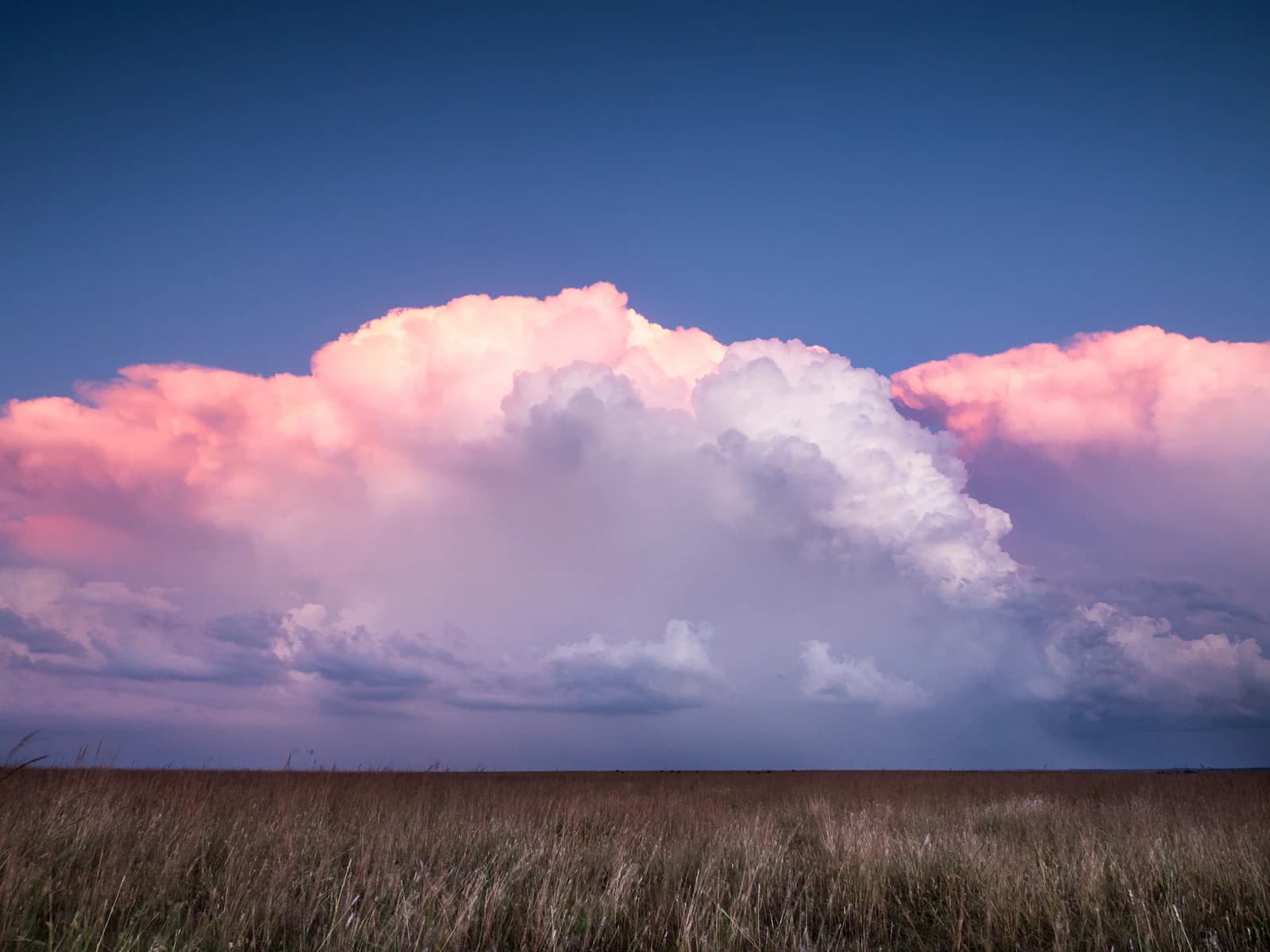
Oklahoma rarely tops the lists of trendy homesteading states, and that may be exactly why it deserves a closer look. The combination of affordable farmland, light-touch regulation, and some of the strongest asset-protection laws in the country adds up to a state that is quietly well-suited to building a self-reliant life. The trade-off is weather: this is Tornado Alley, summers run hot, and the western half of the state is genuinely dry. This guide walks through what matters for a homestead buyer, region by region and rule by rule.
For current, structured numbers on Oklahoma, see the live Oklahoma data page, which we keep updated. Use this guide for the narrative context behind those figures, and browse all 50 state profiles when you are comparing options. The figures below reflect 2026 data; always verify the specifics with the county where you plan to buy, since local rules vary widely.
Oklahoma at a glance
| Factor | Oklahoma |
|---|---|
| Income tax (top rate) | 4.5% |
| Sales tax (state) | 4.5% |
| Business-climate rank (Tax Foundation) | #21 |
| Homestead exemption | Unlimited acreage protection on rural homesteads |
| Avg. farm real estate | ~$2,880/acre |
| Number of farms | ~78,000 |
| USDA hardiness zones | 6b–8a |
| Annual rainfall | 36–56 inches (drier west, wetter east) |
| Growing season | 190–230 days |
| Water rights | Hybrid (riparian + prior appropriation) |
| Off-grid living | Generally legal |
| Building codes | Partial (many rural counties exempt) |
| Homeschool regulation | None (constitutionally protected) |
| Gun laws | Constitutional carry |
| Raw milk | On-farm / farm-gate sales only |
| Cottage food | Permitted with restrictions |
| Solar resource | ~5.0 peak sun hours |
Why Oklahoma for homesteading
The case for Oklahoma rests on a handful of factors that reinforce each other. Land is cheap by national standards. Building codes are only partially enforced, and many rural counties opt out entirely. Homeschooling is constitutionally protected with no state regulation at all. The state has constitutional carry. And the homestead exemption offers unlimited acreage protection on a rural property — unusually strong creditor and asset protection.
None of these on its own makes Oklahoma unique, but together they describe a state that mostly stays out of your way. For a homesteader, that means lower entry costs, fewer permits, and more freedom to build and school and provide for your family on your own terms. If you are weighing Oklahoma against neighbors, our best states for homesteading in 2026 roundup puts these factors side by side.
Taxes and cost of living
Oklahoma's tax picture is moderate and predictable. The top state income tax rate is 4.5%, and the state sales tax is 4.5%, though local sales taxes are added on top and vary by jurisdiction. The Tax Foundation ranks Oklahoma #21 for its overall business tax climate, placing it comfortably in the middle of the pack.
The standout feature is the homestead exemption. Oklahoma protects an unlimited number of acres on a rural homestead from most creditors, one of the most generous protections in the country, with a more modest dollar-based exemption applying in other circumstances. If shielding your land and home from lawsuits or debt is a priority, this is a meaningful advantage. We cover how this compares nationally in our guide to homestead exemptions by state. Overall cost of living in Oklahoma trends below the national average, which stretches a homesteading budget further than in many coastal or mountain-west states.
Land and farms
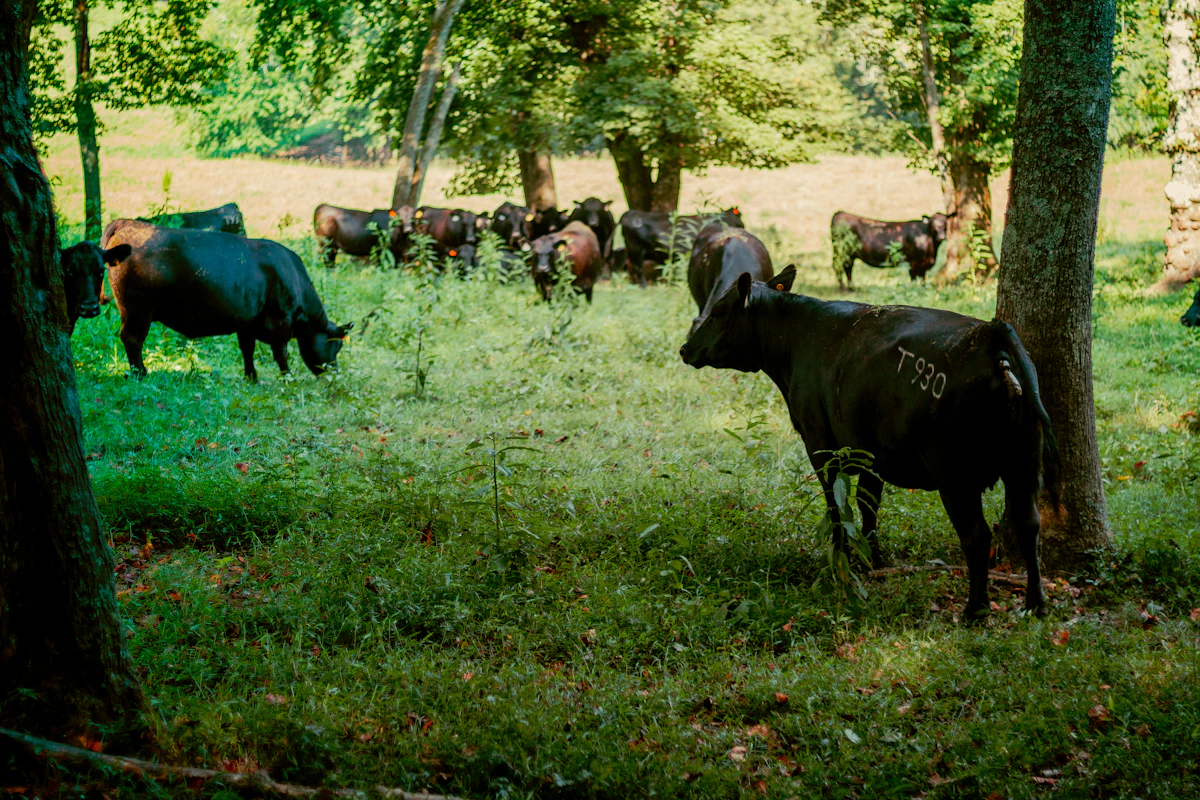
Oklahoma is farm country. The state has roughly 78,000 farms, and average farm real estate runs about $2,880 per acre, which is affordable relative to most of the United States. That price reflects an average across very different landscapes, from wooded eastern hills to open western plains, so what you pay will depend heavily on region, water access, and improvements.
For a buyer, the affordability means you can often acquire enough acreage to run livestock, plant orchards, and keep a large garden without the land cost dominating your budget. Pasture, hay ground, and mixed timber-and-pasture parcels are all common. As always, walk the land in person, check the water situation, and confirm access and mineral rights before committing.
Climate and growing season
Oklahoma sits in USDA hardiness zones 6b through 8a, giving most of the state a long growing season of 190 to 230 days. That is enough to grow a wide range of vegetables, fruit, and forage, often with time for succession plantings or a fall crop.
The defining climate variable is moisture, which falls off sharply from east to west. Annual rainfall ranges from about 36 inches in the drier west to 56 inches in the wetter east. The eastern third of the state is genuinely humid and green; the western plains are semi-arid. Summers are hot statewide, and heat stress on both crops and animals is a real planning consideration. The flip side is an excellent solar resource, around 5.0 peak sun hours, which makes Oklahoma a strong candidate for off-grid solar power.
Water
Water deserves careful attention here, and not only because rainfall varies so much. Oklahoma uses a hybrid water-rights system that mixes riparian rights with prior appropriation. In practice that means surface-water and groundwater use can be subject to permitting and allocation rules that differ from the simpler riparian systems found in wetter eastern states.
For a homestead, the practical questions are: does the property have reliable well water, a pond or stream, and what are the rules for using it? In the wetter east, water is usually less of a constraint. In central Oklahoma it is manageable but worth verifying. On the western plains and in the panhandle, water availability is the single biggest limiting factor, and it is the reason that region is best suited to extensive ranching rather than intensive growing. Confirm well depth, recovery rate, and water-rights obligations before you buy.
Building codes and off-grid living
Oklahoma's building-code regime is classified as partial. There is limited statewide reach, and many rural counties are exempt from or do not enforce a building code at all. This is one of the most appealing features of the state for owner-builders, since it can mean fewer permits, fewer inspections, and more flexibility to build with alternative methods or on your own timeline.
Off-grid living is generally legal in Oklahoma. Combined with the strong solar resource, this makes the state a realistic place to live independently of the grid using solar, well water, and on-site wastewater. That said, "partial" does not mean "none." Some counties and most incorporated towns do enforce codes, and septic and electrical work often have their own requirements. Always confirm the rules with the specific county and municipality before you build.
Food freedom: cottage food and raw milk
Oklahoma is reasonably friendly to small-scale food producers, though not unrestricted. Cottage food sales are permitted with restrictions, allowing home producers to sell certain non-hazardous foods directly to consumers within defined limits. If you plan to sell baked goods, jams, or similar products, review the current product list and sales caps.
Raw milk sits in a narrower lane. Oklahoma allows raw-milk sales on-farm only, at the farm gate, rather than through retail stores. For a homesteader keeping a family cow or a few goats and selling a small surplus to neighbors who come to the farm, this is workable. If your plan depends on wider raw-milk distribution, Oklahoma's rules will constrain it. Medical cannabis is also worth a brief mention: Oklahoma runs a notably accessible medical-only program, with no recreational legalization.
Homeschooling and gun laws
This is where Oklahoma genuinely stands out. Homeschooling is constitutionally protected in Oklahoma, and the state imposes no regulation on homeschoolers — no registration, no testing requirements, no mandated reporting. That makes Oklahoma one of the freest states in the country for home education, which matters a great deal to many homesteading families. Our guide to the best states for homeschooling families puts this in national context.
On firearms, Oklahoma is a constitutional-carry state, meaning eligible adults can carry without a permit. For homesteaders managing livestock, predators, and rural property, this aligns with a self-reliant lifestyle. Oklahoma's politics lean strongly conservative, around R+17, which tends to track with these regulatory choices.
Best regions for homesteading
Oklahoma is really three different states when it comes to land, and matching your goals to the right region is the most important decision you will make.
Eastern Green Country (Ozark foothills)
The eastern part of the state, often called Green Country, is the homesteading sweet spot. Set in the Ozark foothills, it is wooded, scenic, and the wettest part of Oklahoma, with rainfall toward the upper end of the range. The combination of reliable moisture, timber, surface water, and a long growing season makes it the easiest region to grow food, raise animals, and live off the land. If your priority is diversified, intensive homesteading, start your search here.
Central Oklahoma
Central Oklahoma is mixed farming country and sits near Oklahoma City. It offers a balance of decent rainfall, workable land, and proximity to a metro area for jobs, markets, and supplies. Water is generally manageable. This region suits homesteaders who want self-sufficiency without giving up access to a city.
Western plains and panhandle
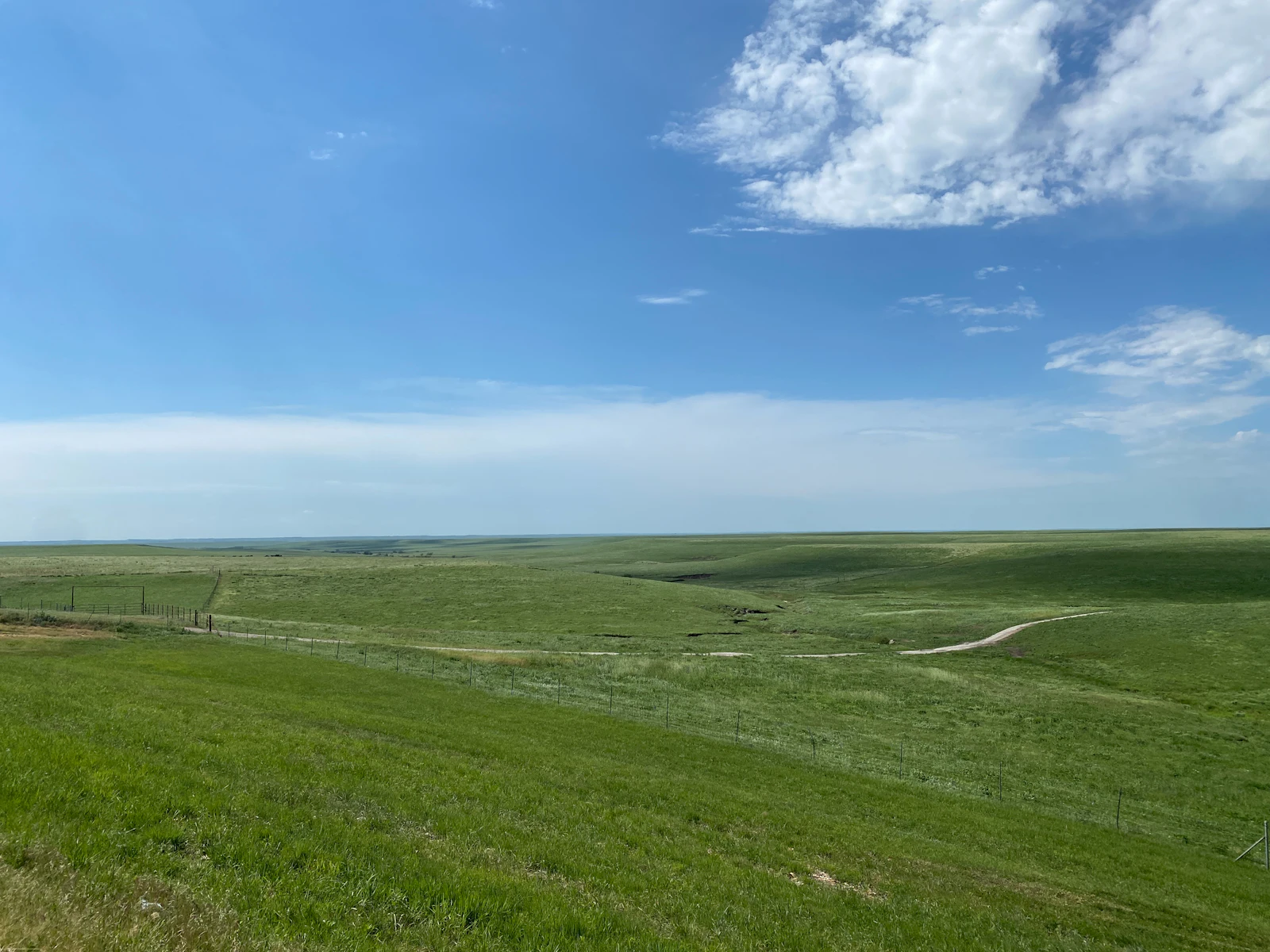
The western plains and the panhandle are arid, windy, and the cheapest land in the state, but water is the binding constraint. This is classic ranching country, better suited to extensive grazing than to gardens and orchards. The strong wind and sun make it attractive for renewable energy, but anyone planning to grow crops here needs a serious, verified water plan.
Downsides and things to watch
Oklahoma's biggest drawback is weather. The state sits squarely in Tornado Alley, and severe-weather risk — including tornadoes, large hail, and high winds — is real and recurring. A storm shelter or safe room is a sensible investment, and it should factor into both your budget and your building plans. Summer heat is intense statewide and stresses crops, livestock, and people.
Water is the second watch item, especially in the central and western parts of the state, where the hybrid rights system and genuine scarcity both come into play. Finally, the statewide violent-crime rate is around 480 per 100,000, but that figure is driven by the metro areas; rural counties are generally much safer. As with any move, research the specific community, not just the state average.
Getting started
A practical path into Oklahoma homesteading looks something like this. First, pick your region honestly based on water and climate: east for intensive growing, central for balance, west for ranching. Second, set a budget using the roughly $2,880-per-acre average as a starting reference, then adjust for water access and improvements. Third, before making an offer, confirm the county's building-code and septic rules, the water rights, well details, and access and mineral rights on the specific parcel.
Fourth, plan for severe weather from day one, including a shelter. And fifth, take advantage of what makes Oklahoma easy: the unlimited rural homestead protection, the absence of homeschool regulation, and the off-grid-friendly environment. If you want to compare Oklahoma directly with a similar neighbor, our Arkansas homesteading guide covers another affordable, wooded option just to the east.
Conclusion
Oklahoma is a quietly strong homesteading state. Cheap land, partial building codes, unlimited rural homestead protection, constitutional carry, and the freest possible homeschooling environment add up to a place that lets self-reliant families get on with it. The honest trade-offs are tornadoes, summer heat, and water limits in the central and western regions. For many buyers, especially in the wooded east, those trade-offs are well worth it.
Ready to dig into the numbers? Start with the live Oklahoma data page for the latest figures, then compare it against every other state to find your best fit.
Frequently Asked Questions
Is Oklahoma a good state for off-grid living?
Yes. Off-grid living is generally legal in Oklahoma, building codes are only partially enforced with many rural counties exempt, and the state has a strong solar resource of about 5.0 peak sun hours. Always confirm septic, electrical, and code rules with your specific county before building.
How affordable is land in Oklahoma?
Land is affordable by national standards. Average farm real estate runs about $2,880 per acre, though prices vary widely by region, with the wetter, wooded eastern Green Country generally commanding more than the arid western plains.
What is the homestead exemption in Oklahoma?
Oklahoma provides unlimited acreage protection on a rural homestead from most creditors, one of the strongest asset-protection laws in the country, with a more modest dollar-based exemption applying in other situations. It is a significant draw for buyers concerned with shielding their land and home.
What are the biggest downsides to homesteading in Oklahoma?
The main concerns are severe weather and water. Oklahoma is in Tornado Alley, with real tornado, hail, and high-wind risk, and summers are hot. Water availability is also limited in the central and especially western parts of the state, so verify wells and water rights before you buy.

 Your brand here — Reach our audience of professional directory owners and boost your sales.