Homesteading in North Carolina: The Complete 2026 Guide
Considering North Carolina for a homestead? Compare taxes, land, climate, water, building codes, and food freedom in this practical 2026 guide.
Written by Homestead Finder Editorial

North Carolina draws a steady stream of homesteaders, and the appeal is easy to understand once you look at the pieces together: three genuinely distinct regions to choose from, reliable rainfall and a long growing season, a low flat income tax, and one of the healthiest small-farm economies in the Southeast. If you are weighing where to build a self-sufficient life, North Carolina belongs on the shortlist, with a few real caveats worth knowing up front.
This guide is a narrative buyer's overview meant to help you decide whether the state fits your goals. For the full county-level numbers, side-by-side rankings, and the latest data, see our live North Carolina state page, which we keep updated. You can also compare all 50 states to see how North Carolina stacks up against the alternatives.
North Carolina at a glance
| Factor | North Carolina (2026) |
|---|---|
| State income tax | Flat 4.25% |
| Sales tax | 4.75% (state) |
| Business tax climate rank | #15 in the US |
| Homestead exemption | $25,000 (property-tax deduction, mainly elderly/disabled) |
| Avg farm real estate | ~$4,400/acre |
| Farms statewide | ~42,814 |
| USDA hardiness zones | 7a–8b |
| Annual rainfall | 40–80 inches (very wide range) |
| Growing season | 180–230 days |
| Water rights system | Riparian |
| Building codes | Statewide code (off-grid legal, more permitting) |
| Off-grid living | Generally legal (confirm at county level) |
| Cottage food law | Permitted (jams, baked goods, honey, pickles, more) |
| Raw milk | Illegal for human consumption (herdshare/pet-milk only) |
| Homeschooling | Minimal regulation |
| Gun laws | Shall-Issue concealed carry |
Why North Carolina for homesteading
North Carolina lines up several things homesteaders care about. The tax picture is reasonable, land is still affordable by national standards, and the climate is generous, with a long growing season and dependable rain across most of the state. The farm economy is deep and active, which means an established agricultural culture, markets, suppliers, and neighbors who already do this kind of work.
The biggest structural advantage is variety. Few states let you choose between cool mountain hollows, productive central farmland, and flat coastal agricultural ground all within a day's drive. That range means you can match a region to your priorities, whether that is scenery and cooler summers, soil and market access, or open, workable acreage. The catches — covered below — are a statewide building code, raw milk that is effectively off-limits, hurricane exposure on the coast, and rising prices in the most popular areas.
Taxes and cost of living
North Carolina levies a flat 4.25% state income tax. A flat rate is simple and predictable, and the rate itself is on the lower end, so whether your income comes from a remote job, a pension, off-farm work, or a small farm business, the bite is modest compared with higher-tax states.
The state sales tax is 4.75%, which is low at the state level, though counties add their own local rates on top, so the combined figure you actually pay at the register is higher. North Carolina's overall business tax climate ranks #15 in the US, a solid signal if you intend to run a farm stand, a value-added food business, or any small enterprise from your land.
One point that trips up newcomers: North Carolina's $25,000 homestead exemption is a property-tax deduction for a primary residence aimed mainly at elderly and disabled owners, not the broad asset-protection homestead exemption some other states offer. If property-tax relief or asset protection matters to you, confirm exactly who qualifies and what it covers with a local source before you count on it. For a wider view, see our roundup of the most tax-friendly states for homesteaders.
Land and farms
With roughly 42,814 farms statewide and average farm real estate around $4,400 per acre, North Carolina has a deep, working land market rather than a thin or speculative one. That established base makes it easier to find parcels, comparable sales, equipment, and the local know-how that smooths a first homestead.
Treat the per-acre average as a starting reference, not a quote. The statewide number hides an enormous spread. Prices climb sharply in the popular mountain counties and anywhere near the growing Charlotte and Raleigh metros, and they ease considerably out in the rural Coastal Plain and the less-trafficked corners of each region. What you pay depends heavily on location, road access, whether the ground is wooded or cleared, water, and proximity to a city. Use our North Carolina data page to look at county-level figures before you narrow your search.
Climate and growing season
North Carolina spans USDA hardiness zones 7a to 8b, running cooler in the western mountains and warmer toward the Piedmont and coast. With a growing season of 180 to 230 days, you generally have time for multiple plantings and a long harvest window, though the season is meaningfully shorter at high elevation than it is down on the Coastal Plain, so check the figure for the specific region you are targeting.
Rainfall is the other half of the story, and here North Carolina is unusual. Annual precipitation ranges from about 40 to 80 inches, a very wide spread driven by geography: the western mountains are genuinely wet, among the rainiest places in the eastern US, while parts of the state see far less. For most homesteaders this means pasture stays green and gardens rarely depend on irrigation, but the same moisture, paired with Southern humidity, brings fungal pressure and pests. Plan for good airflow, mulching, and varieties suited to a humid climate.
Water
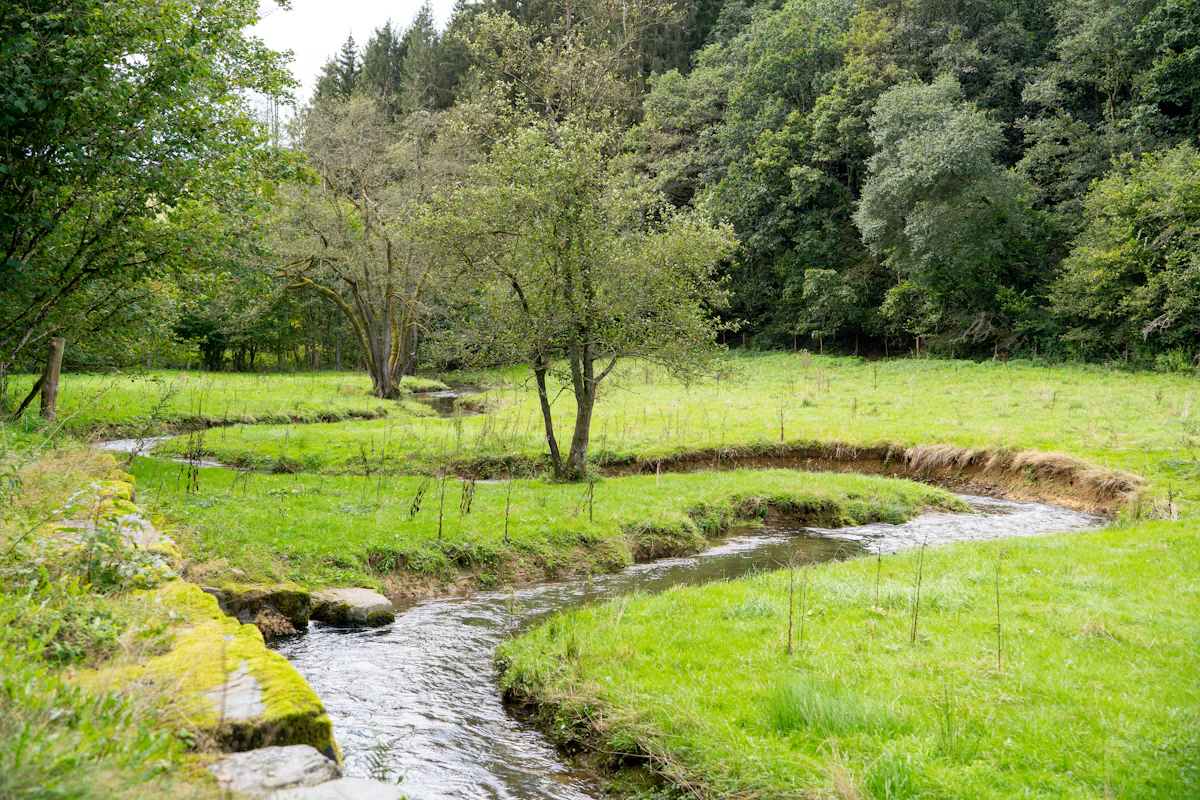
North Carolina follows the riparian system of water rights, which ties water use to land that borders or contains the water. For homesteaders this is generally favorable, especially compared with the arid Western states governed by prior appropriation, where senior claims can leave a landowner with little practical right to the water on their own property. In a riparian state with abundant rainfall, a parcel with a creek, spring, or pond usually comes with reasonable rights to make use of it. As always, verify well requirements, spring development rules, and any restrictions tied to ponds or streams with the county before you buy. For background, see our primer on water rights for homesteaders.
Building codes and off-grid living
This is where North Carolina asks more of you than a no-code state. North Carolina enforces a statewide building code, so building your own home generally means working through permits and inspections rather than building freely on your own timeline. The rules are real, and they apply across the state rather than stopping at a county line.
That said, off-grid living is generally legal. Solar, rainwater catchment, composting systems, and disconnecting from municipal utilities are workable here, but expect more permitting to get there than you would face in a state with little or no code. Rural counties vary in how strictly they apply and inspect, so the practical experience differs from place to place. Always confirm current requirements with the specific county before you commit. If minimal building regulation is your top priority, our roundup of the best states with no building codes will put North Carolina in honest context. With roughly 4.4 peak sun hours, the state also supports solar well enough for most off-grid setups; see our look at the best states for off-grid solar for comparison.
Food freedom: cottage food and raw milk
On cottage food, North Carolina is workable. The state permits cottage food sales of items such as jams, baked goods, dried goods, honey, and pickled products, which lets a homesteader turn surplus into a little income through home-based food production. Confirm the current product list, labeling, and any registration steps with the state before you start selling.
Dairy is the hard line, and it is worth flagging clearly: raw milk is illegal for human consumption in North Carolina. The only legal paths are herdshare arrangements or pet-milk sales, not retail or on-farm sales for drinking. For dairy-minded homesteaders this is a genuine caution, and a real point of difference from neighboring states. If raw dairy is central to your plans, weigh this carefully and read our state-by-state breakdown of raw milk laws before you commit. (Cannabis is also illegal in North Carolina, which is worth knowing if that factors into your plans.)
Homeschooling and gun laws
North Carolina is a minimal-regulation state for homeschooling in practice. There is a notice requirement and annual testing, but the overall burden is light, which suits homesteading families who want flexibility to teach around the rhythms of farm work. For a broader comparison, see our guide to the best states for homeschooling families.
On firearms, North Carolina is a Shall-Issue state for concealed carry, meaning eligible residents who meet the requirements can obtain a permit. For self-reliant rural living, predator control, and general property security, the legal environment is workable, though it asks for a permit rather than allowing permitless carry.
Best regions for homesteading
North Carolina's defining feature is its three distinct regions, and the right one depends on your budget and priorities.
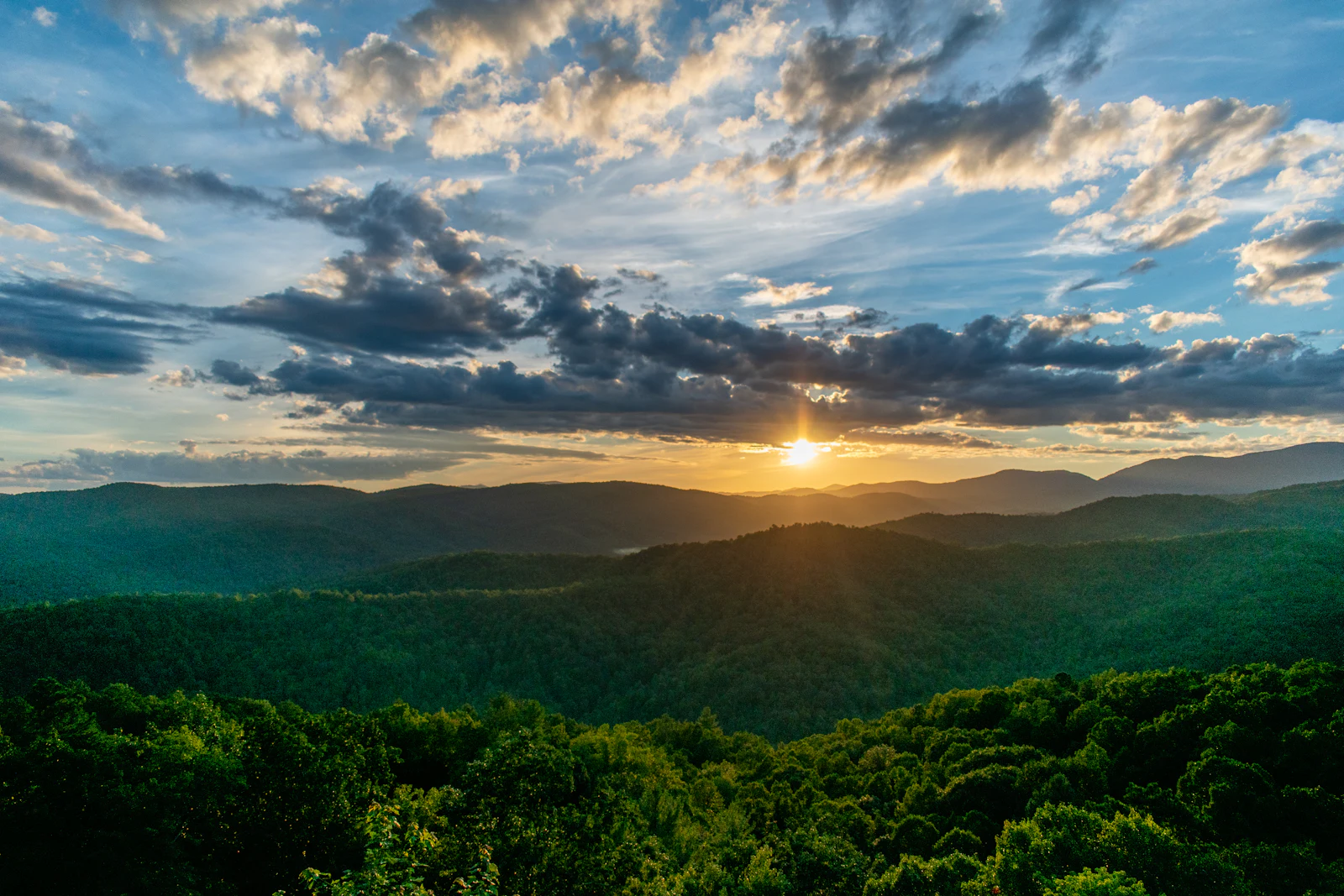
- The Blue Ridge and Appalachian west: Cool, very wet, and scenic, this mountain region is a homesteading magnet. The cooler summers, abundant water, and beauty are a real draw, but popularity has a cost: land here is increasingly sought-after and pricey, and the shorter high-elevation season and steep terrain make some building and clearing harder.
- The Piedmont: The fast-growing central belt, with good farmland and the best market access in the state. The trade-off is price and competition, especially anywhere near Charlotte or Raleigh, where development pressure pushes land costs up.
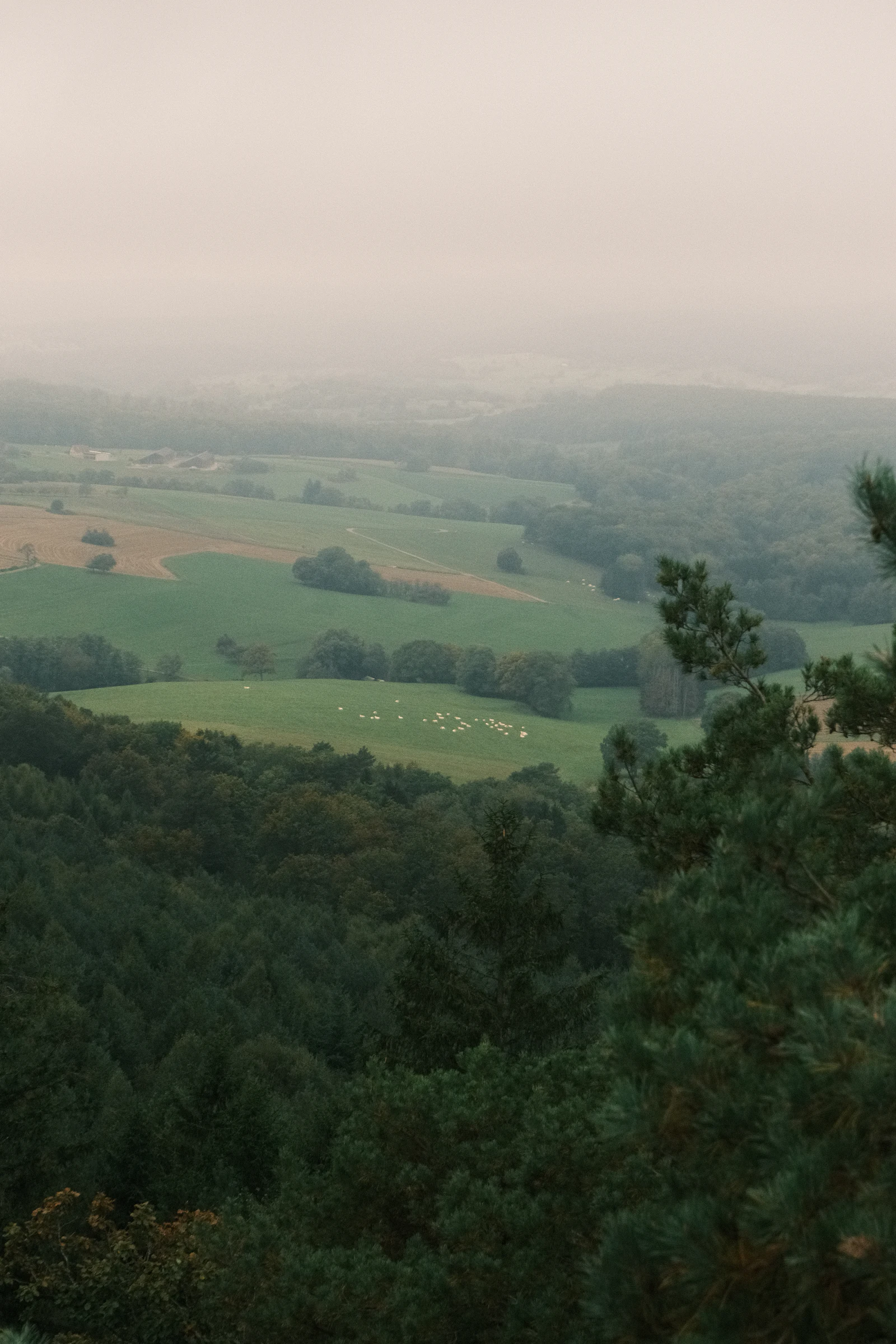
- The Coastal Plain: Flat, agricultural, and generally more affordable, this region offers open, workable acreage and a conventional farming landscape. The catch is hurricane exposure, which is a serious planning factor the closer you get to the coast.
Downsides and things to watch
No state is perfect, and North Carolina has a few things to weigh honestly:
- Statewide building code. Unlike no-code states, North Carolina applies a building code everywhere, so owner-builders should plan for permitting and inspections. Rural counties vary in strictness, but the code does not disappear.
- Raw milk is illegal for drinking. Only herdshare or pet-milk arrangements are available, which is a meaningful limitation for dairy-focused homesteaders.
- Hurricane risk on the coast. The Coastal Plain's affordability comes with real exposure to tropical storms and flooding. Factor it into siting, insurance, and building choices.
- Rising prices and competition. The mountain region and the metro-adjacent Piedmont have grown popular, pushing land costs up and tightening availability in the most desirable spots.
- County-by-county variability. Permitting, septic, and well rules are applied locally and shift over time. Never assume a neighboring county's experience applies where you are buying.
For reference, the statewide violent crime rate is roughly 393 per 100,000, and the state's politics lean Republican only narrowly (about R+5), making it a genuine swing state. As with any state, crime is best evaluated at the county level rather than from the average.
Getting started
If North Carolina is on your shortlist, a practical sequence looks like this:
- Set your priorities. Decide what matters most: cool mountain climate, central market access, or affordable open acreage. That choice points you toward the mountains, the Piedmont, or the Coastal Plain.
- Compare counties with real data. Use the North Carolina state page for county-level numbers, and compare states to confirm North Carolina beats your alternatives.
- Verify the local rules. Call the specific county about building permits, septic, wells, and zoning. Confirm cottage food specifics if you plan to sell, and understand the herdshare-only situation if dairy is part of the plan.
- Visit before you buy. Walk the land, check water sources, test road access in wet weather, and on the coast, research flood maps and storm history.
- Line up the legal details. A local attorney or extension office can clarify the property-tax homestead deduction, water rights on your parcel, and any deed restrictions.
For a wider view of how the state compares nationally, our best states for homesteading in 2026 guide is a useful next read, and if you are torn between neighbors, our Tennessee homesteading guide makes a natural comparison.
Conclusion
North Carolina earns its place on the homesteading shortlist. A low flat income tax, affordable and abundant land, a long and well-watered growing season, riparian water rights, light homeschooling rules, and three distinct regions to choose from add up to a genuinely friendly environment for self-sufficient living. The main things to watch are the statewide building code, raw milk being effectively off-limits, hurricane risk on the coast, and rising prices in the mountains and around the growing metros.
The best next step is to look at the numbers for the specific counties you are considering. Explore North Carolina county data and compare all 50 states on Homestead Finder to find the right fit for your homestead.
Frequently Asked Questions
Does North Carolina have building codes for rural homes?
Yes. North Carolina enforces a statewide building code, so building a home generally involves permits and inspections rather than building freely. Off-grid living is still legal, but expect more permitting. Rural counties vary in how strictly they apply the code, so always confirm current requirements with the specific county before you buy or build.
Is raw milk legal in North Carolina?
No. Raw milk is illegal for human consumption in North Carolina. The only legal options are herdshare arrangements or pet-milk sales, not retail or on-farm sales for drinking. If raw dairy is central to your plans, this is an important limitation to weigh.
Can I sell food from my North Carolina homestead?
Yes, within limits. North Carolina permits cottage food sales of items such as jams, baked goods, dried goods, honey, and pickled products. Confirm the current product list, labeling, and any registration steps with the state. Note that raw milk is not part of this and remains illegal for human consumption.
How much does homestead land cost in North Carolina?
Average farm real estate is around $4,400 per acre statewide, but prices vary widely by region. Expect higher costs in the popular mountain counties and near Charlotte and Raleigh, and more affordable land out on the rural Coastal Plain. Check the live North Carolina data page for current county-level figures.
Data reflects 2026 and is meant as a starting point. Building codes, food freedom, and water rules are decided locally and change over time, so always verify current county rules before making decisions.

 Your brand here — Reach our audience of professional directory owners and boost your sales.