Homesteading in Missouri: The Complete 2026 Guide
Missouri homesteading guide: affordable Ozark land, no statewide building code, light homeschool rules, constitutional carry, and a long growing season.
Written by Homestead Finder Editorial

Missouri sits squarely in the middle of the country, and that central position is part of what makes it one of the more practical states for building a self-sufficient life. You get affordable rural land, a long growing season, reliable rainfall, light regulation in most rural counties, and easy access to markets in every direction. It is not a frontier-style "no rules anywhere" state, but for most aspiring homesteaders the balance of cost, climate, and freedom is genuinely hard to beat.
This guide is the narrative companion to our live, regularly updated Missouri state data page, where you can compare the hard numbers side by side with other states. Here we walk through what those numbers mean on the ground, region by region, so you can decide whether Missouri belongs on your shortlist. You can also browse all 50 states to compare.
Missouri at a glance
| Factor | Detail (2026) |
|---|---|
| State income tax (top rate) | 4.8% |
| Sales tax (state) | 4.225% |
| Business climate rank | #13 |
| Homestead exemption | $15,000 |
| Avg. farm real estate | ~$4,200/acre |
| Number of farms | ~95,000 (among the highest in the US) |
| USDA hardiness zones | 5b–7a |
| Annual rainfall | 40–50 inches |
| Growing season | 170–200 days |
| Water rights | Riparian (water tied to the land) |
| Building codes | No statewide code; set locally |
| Off-grid living | Generally legal |
| Homeschool regulation | None (among the lightest in the US) |
| Firearms | Constitutional carry |
| Raw milk | On-farm / farm-gate sales only |
| Cottage food | Permitted with some restrictions |
| Political lean | R+10 |
Why Missouri for homesteading
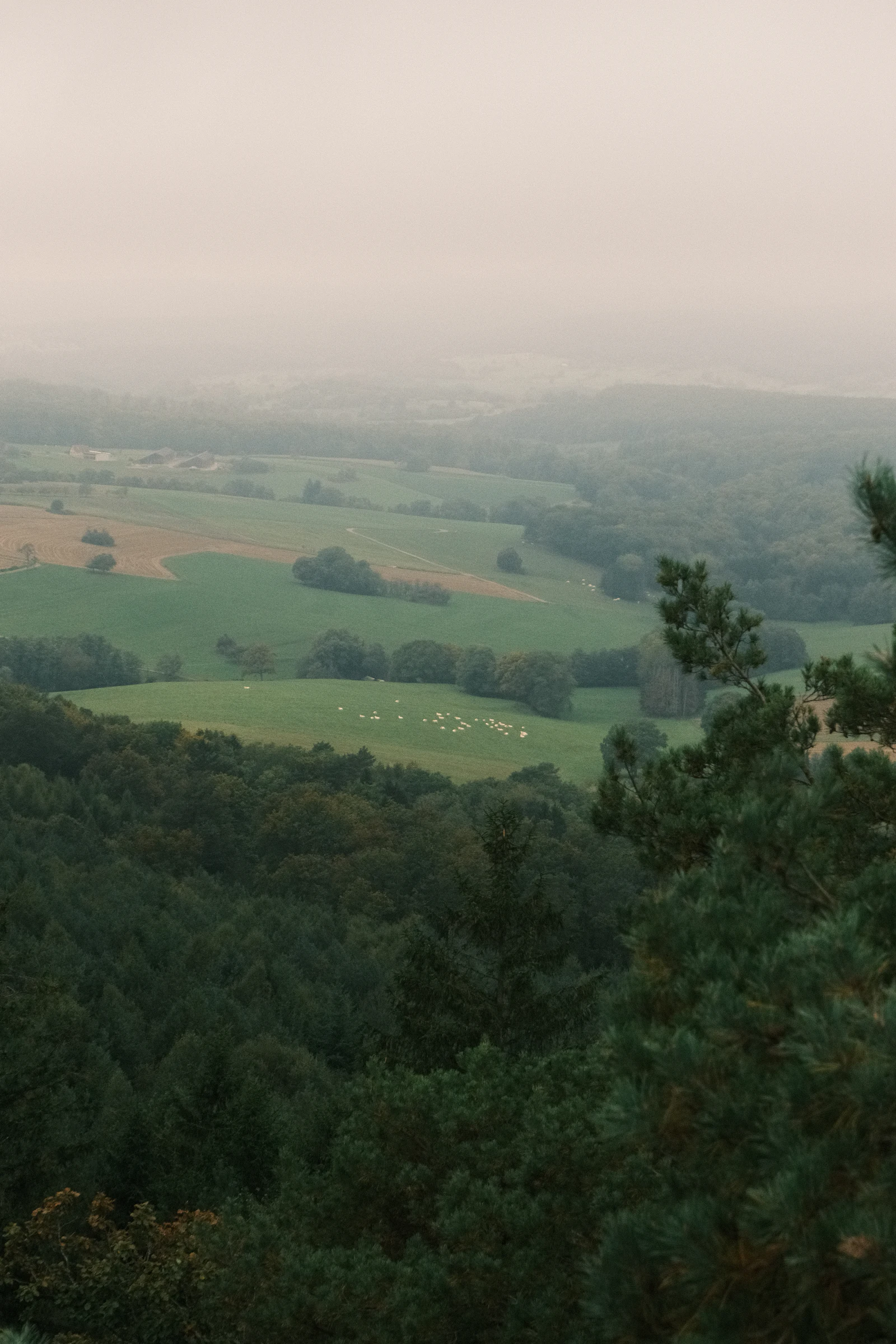
Missouri's appeal comes down to a combination that few states offer all at once: land you can actually afford, a climate that grows a wide range of crops, and a regulatory environment that mostly stays out of your way. With around 95,000 farms, it has one of the highest farm counts in the country, which tells you something important. This is a working agricultural state with deep rural infrastructure, feed stores, livestock auctions, processors, and neighbors who already do what you want to do.
The central US location is an underrated advantage. Hauling livestock, hay, or goods to market is straightforward in every direction, and you are within a day's drive of a huge chunk of the country's population. For anyone planning to sell at farmers markets, run a small meat operation, or just keep supply lines short, that geography pays off.
Taxes and cost of living
Missouri keeps the tax burden moderate. The top state income tax rate is 4.8%, and the state sales tax is 4.225% (counties and cities add their own local sales tax on top, so check the rate where you plan to buy). The state's business climate ranks #13 nationally, which matters if you intend to sell value-added products or run a farm business.
Property owners benefit from a homestead exemption of up to $15,000, and rural land carries relatively low property taxes compared with many states. Overall cost of living in rural Missouri is below the national average, which is a meaningful tailwind when you are trying to stretch a land budget and live on less.
Land and farms
Average farm real estate runs around $4,200 per acre statewide, but that figure hides enormous variation. The wooded, hilly Ozark counties in the south can be dramatically cheaper, while prime row-crop ground in the north and land near the metro areas costs considerably more. For a homesteader who wants acreage over flat tillable fields, the Ozarks often deliver the best dollar-per-acre value in the state; see how that stacks up in our cheapest states to buy homestead land roundup.
Because Missouri has so many farms and so much rural land changing hands, the market is liquid. You will find everything from raw timber tracts to turnkey small farms with fencing, ponds, and outbuildings already in place. If you are still narrowing down where to put down roots, our best states for homesteading in 2026 roundup puts Missouri's land values in national context.
Climate and growing season
Missouri spans USDA hardiness zones 5b in the north to 7a in the far south, giving you a 170 to 200 day growing season depending on where you settle. That is long enough for a full vegetable garden, a real orchard, and warm-season staples like tomatoes, peppers, sweet corn, and melons, with time left over for fall plantings.
Rainfall is one of the state's quiet strengths: 40 to 50 inches a year, well distributed, which means most gardens and pasture do not depend on irrigation the way the arid West does. You will deal with humid summers, the occasional severe thunderstorm, and Missouri sits within reach of tornado activity, so plan your buildings and shelter accordingly. But for growing food and grass, this is forgiving country.
Water
Missouri follows the riparian doctrine, which is good news for homesteaders. Under riparian rights, water access is tied to the land itself rather than to a separate, permitted allocation as in many Western states. If you own land along a creek, spring, or pond, you generally have reasonable-use rights to that water.
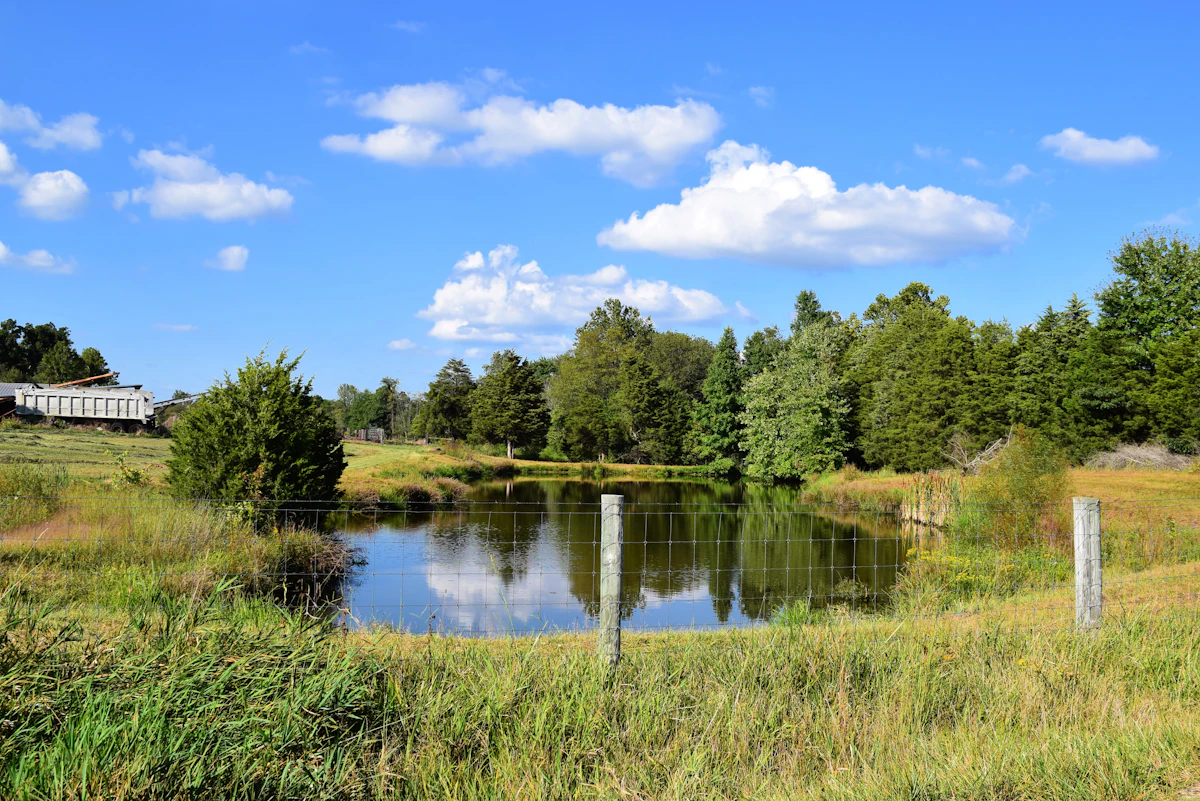
Combined with steady rainfall, this makes ponds, springs, and shallow wells practical across much of the state. Many Ozark properties come with year-round springs or creeks, and stock ponds are common. As always, confirm well depth and water quality for any specific parcel before you buy, and check whether the property has existing water infrastructure.
Building codes and off-grid living
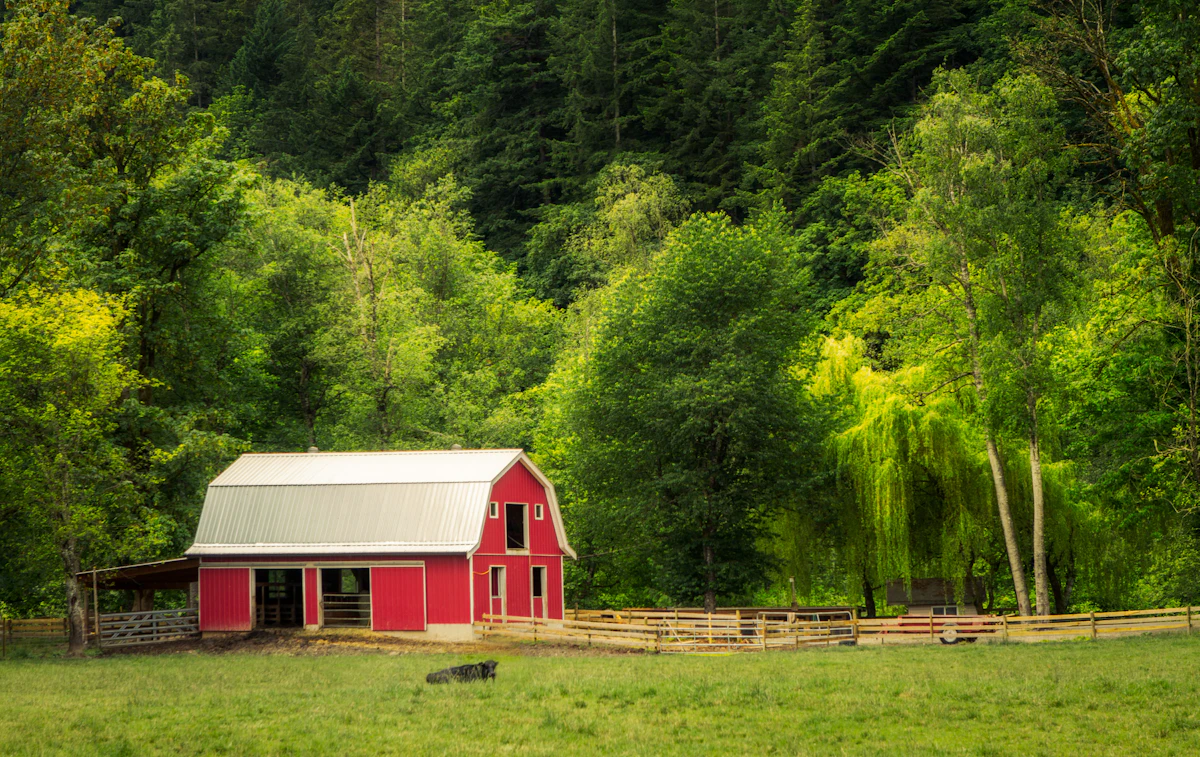
This is where Missouri shines for the independent-minded. There is no statewide building code. Construction standards are set locally, and many rural counties have little or no code enforcement, no permitting for owner-built structures, and no inspections to clear. That gives you the freedom to build a cabin, barn, or off-grid home on your own timeline and budget.
Off-grid living is generally legal in Missouri. Solar, rainwater catchment, composting toilets, and private septic are all workable, though septic systems are typically regulated at the county or state-health level, so that is one area to verify. If maximum building freedom is your top priority, compare Missouri against the field in our guide to the best states with no building codes. The critical takeaway: rules vary county to county, so always confirm the specific county's requirements before you close on land.
Food freedom: cottage food and raw milk
Missouri gives small producers a reasonable amount of room. Cottage food sales are permitted with some restrictions, allowing you to sell certain homemade, non-hazardous foods such as baked goods and jams directly to consumers without a commercial kitchen. Read the current rules carefully, because allowed product categories and labeling requirements are specific.
Raw milk is legal to sell on a limited basis: on-farm and farm-gate sales directly to the consumer are allowed, but retail sales through stores are not. For a homesteader with a family cow or a few goats, that is enough to share or sell to neighbors at the farm. As with all of this, the details are set in statute and can change, so confirm the latest rules. Note also that cannabis is legal for medical use only in Missouri.
Homeschooling and gun laws
Missouri has some of the lightest homeschool regulation in the country, essentially none in terms of state oversight. There is no required notification, no mandatory testing, and no portfolio submission to the state, though families are expected to keep basic records and meet instructional-hour guidelines. For families who want to educate at home with minimal bureaucracy, this is a major draw.
On firearms, Missouri is a constitutional carry state, meaning a permit is not required to carry a handgun for those legally allowed to possess one. Combined with the rural culture and strong property-rights tradition, this rounds out a state that leans clearly toward personal freedom (the political lean is roughly R+10).
Best regions for homesteading
The Ozarks (south-central and southern Missouri). This is the heart of Missouri homesteading. The terrain is hilly and heavily wooded, land is the most affordable in the state, and there is a deep, established homesteading and back-to-the-land culture. Soils are thinner and rockier, so it favors livestock, orchards, gardens, and timber over large-scale row crops, but the value, springs, and freedom are hard to match.
The northern plains and farm country. Northern Missouri has better, deeper soils and a strong row-crop and livestock tradition. If you want productive tillable ground for grain, hay, or a larger operation, this region delivers, though land tends to cost more than the Ozarks.
Near St. Louis and Kansas City. The areas around the two big metros are pricier and carry development pressure, but they offer the closest access to markets, jobs, and services. Worth a look if you want a homestead within commuting distance of city income, less so if cheap acreage is the goal.
Downsides and things to watch
No state is perfect, and Missouri has real trade-offs. Summers are hot and humid, and the state sees severe weather including thunderstorms and tornado risk, so building for resilience matters. Statewide violent crime sits around 540 per 100,000, but that figure is driven heavily by St. Louis and Kansas City; rural areas are far safer, so judge any location by its local numbers rather than the statewide average.
Ozark soils can be rocky and shallow, which limits row cropping and means you may need to build soil for serious gardening. And because so much is set at the county level, regulations on septic, nuisance ordinances, and zoning genuinely vary — two adjacent counties can be quite different. Do your county-level homework before you commit.
Getting started
Start by deciding what kind of homestead you want — livestock and orchards lean Ozark, row crops lean north, and city access leans metro-adjacent. Then narrow to a few counties and dig into their specific rules on building permits, septic, and zoning. From there, walk the land in person, confirm water and access, and verify the property lines and any easements.
Use the Missouri data page to compare counties and weigh Missouri against other contenders. If you are torn between Missouri and a neighbor with a similar profile, our Tennessee homesteading guide is a useful side-by-side read, and the full state directory lets you line up all 50 at once.
Missouri rewards the practical homesteader: affordable land, dependable rain, a long season, room to build, and the freedom to live and educate on your own terms. For a balanced mix of cost and liberty, it deserves a serious look.
Frequently Asked Questions
Is off-grid living legal in Missouri?
Yes, off-grid living is generally legal. Solar, rainwater catchment, and private systems are all workable, and there is no statewide building code. Septic and some other systems are regulated locally or at the state-health level, so confirm requirements with your specific county before building.
Where is the cheapest land for homesteading in Missouri?
The Ozark region in south-central and southern Missouri consistently offers the most affordable land, with the statewide average around $4,200 per acre and Ozark tracts often well below that. The trade-off is hillier, rockier, more wooded ground better suited to livestock, orchards, and timber than row crops.
Can I sell raw milk and homemade food in Missouri?
Raw milk can be sold on-farm and at the farm gate directly to consumers, but not through retail stores. Cottage food sales are permitted with some restrictions for certain non-hazardous homemade foods. Both areas have specific rules, so verify the current statutes before selling.
Does Missouri have building codes for rural homes?
There is no statewide building code. Codes are set locally, and many rural counties have little or no enforcement, permitting, or inspection for owner-built structures. Because this varies significantly by county, always confirm the local rules before you buy.
Data reflects 2026 figures and is for general guidance only. Laws and county rules change, so verify the current requirements with the specific county and relevant Missouri state agencies before making decisions.

 Your brand here — Reach our audience of professional directory owners and boost your sales.