Homesteading in Mississippi: The Complete 2026 Guide
Considering Mississippi for a homestead? Compare taxes, cheap land, climate, water, building codes, and food freedom in this practical 2026 guide.
Written by Homestead Finder Editorial

Mississippi is one of the cheapest places in the country to buy land, and unlike a lot of low-cost states, it pairs that affordability with abundant rain and a long growing season. If you want inexpensive, well-watered ground where you can grow food for most of the year and build with less red tape than its Deep South neighbors, Mississippi deserves a serious look. The main trade-offs are a 7% sales tax, intense summer heat and humidity, hurricane exposure in the far south, and thinner rural services.
This guide is a narrative buyer's overview meant to help you decide whether Mississippi fits your goals. For full county-level numbers, side-by-side rankings, and the latest data, see our live Mississippi state page, which we keep updated. You can also compare all 50 states to see how Mississippi stacks up against the alternatives.
Mississippi at a glance
| Factor | Mississippi (2026) |
|---|---|
| State income tax | Flat 4% (phasing down toward 3% by 2030) |
| Sales tax | 7% |
| Business tax climate rank | #38 in the US |
| Homestead exemption | First $7,500 of assessed value (credit up to $300; full exemption for owners 65+) |
| Avg farm real estate | ~$2,400/acre |
| Farms statewide | ~35,500 |
| USDA hardiness zones | 8a–8b |
| Annual rainfall | 48–56 inches |
| Growing season | 200–220 days |
| Water rights system | Riparian |
| Building codes | Partial (limited statewide reach; many rural counties exempt) |
| Off-grid living | Generally legal (confirm at county level) |
| Cottage food law | Permitted foods include jams, baked goods, dried herbs, honey, popcorn |
| Raw milk | Limited on-farm/incidental sales, with labeling |
| Homeschooling | Moderate regulation (simple certificate of enrollment) |
| Gun laws | Constitutional Carry |
Why Mississippi for homesteading
Mississippi's appeal comes down to cheap, productive land. At roughly $2,400 per acre on average for farm real estate, it is one of the most affordable states in the country, and that buys you ground in a region that gets 48 to 56 inches of rain a year and offers a 200 to 220 day growing season. You can grow across a long calendar without irrigating your land into productivity, and your dollar simply goes further here than in most of the Southeast.
The state also has a deep agricultural culture, with around 35,500 farms statewide, so there is infrastructure, knowledge, and a market for what you produce. What sets Mississippi apart from its neighbors is its building-code picture: codes have only partial statewide reach, and rural counties are often exempt, which leaves more room for owner-builders than you will find in much of the Deep South. Add Constitutional Carry, a low cost of living, and very well-watered land, and Mississippi becomes a practical place to build a self-sufficient life.
Taxes and cost of living
Mississippi levies a flat 4% state income tax (on taxable income over $10,000), and that rate is scheduled to keep falling toward 3% by 2030, so the income-tax burden is trending in homesteaders' favor. The tax applies to most income whether it comes from a remote job, a pension, or a small farm business, but the moderate and falling rate is easier to plan around than a steep progressive bracket.
Where Mississippi asks more of you is at the register: the state sales tax is 7%, one of the higher base rates in the country, which adds up on equipment, building materials, and supplies. On the homeowner side, Mississippi's homestead exemption covers the first $7,500 of assessed value — a credit of up to $300, or a full exemption for owners 65+ — which reduces the property tax bill on your primary residence. The state's overall business tax climate ranks #38 in the US, toward the back of the pack, which is worth weighing if you plan to run a farm stand or a value-added food business. Even so, the low cost of living and cheap land do a lot to offset the sales tax. For a broader view of how states compare on land prices, our guide to the cheapest states to buy homestead land puts Mississippi's affordability in context.

Land and farms
With roughly 35,500 farms statewide and average farm real estate around $2,400 per acre, Mississippi offers an active land market at prices well below much of the country. That state average hides a wide spread, though. Flat, fertile Delta ground in the northwest commands different prices than the wooded hill country or the forested Piney Woods of the south.
Treat the per-acre average as a starting reference, not a quote. What you actually pay depends heavily on region, road access, whether the parcel is wooded or cleared, soil and drainage, water, and flood risk. Use our Mississippi data page to look at county-level figures before you narrow your search.
Climate and growing season
Mississippi spans USDA hardiness zones 8a to 8b, which is warm by national standards. With a growing season of 200 to 220 days, you have time for multiple plantings, a long harvest window, and warm-season crops that thrive in the heat. This is country where okra, peppers, sweet potatoes, peas, and a long succession of garden crops do well.
Rainfall is the other half of the equation. At 48 to 56 inches a year, Mississippi is genuinely wet, so pasture stays green and gardens rarely live or die by irrigation. The flip side of the heat and rain is humidity, and the disease, fungal, and pest pressure that come with it. Summers are hot and muggy, so plan for good airflow, mulching, heat-tolerant varieties, and ample shade and water for livestock.
Water
Mississippi follows the riparian system of water rights, which ties water use to land that borders or contains the water. For homesteaders this is generally favorable, especially compared to the arid Western states governed by prior appropriation, where senior claims can leave a landowner with little practical right to the water on their own property. In a riparian state with abundant rainfall, a parcel with a creek, spring, or pond usually comes with reasonable rights to make use of it. As always, verify well requirements, surface-water rules, and any permits tied to ponds with the county before you buy. For more background, see our overview of water rights for homesteaders.
Building codes and off-grid living
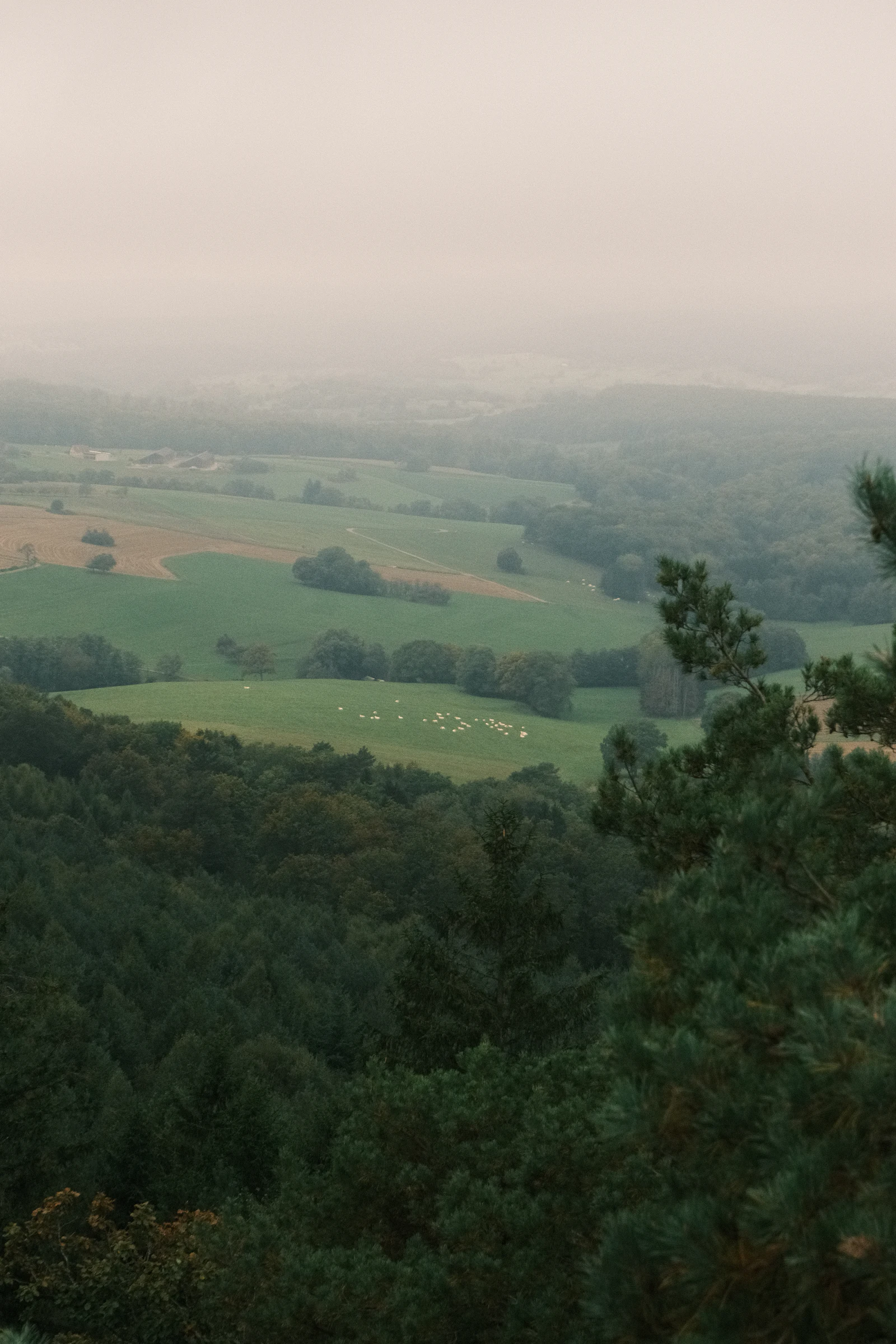
This is where Mississippi stands out from the Deep South. Statewide building codes have only partial reach here, and rural counties are often exempt, which makes the state friendlier to owner-builders than most of its neighbors. You should still plan for some local requirements, but you are likely to face less process than in states with a single mandatory statewide code.
Off-grid living is generally legal, and the practical pieces work: solar, rainwater catchment, and disconnecting from certain utilities are all workable. With roughly 4.5 peak sun hours, the solar resource is solid for a grid-tied or off-grid system. The important nuance is that permitting, septic, and well rules still vary by county, and what is exempt in one place may be regulated in the next. The takeaway is that Mississippi gives owner-builders real room to work, but you should still confirm exactly what your target county requires. If minimal building regulation is a top priority, compare Mississippi with other lighter-code options in our best states for homesteading in 2026 guide to see how it ranks against the most permissive states for owner-builders.
Food freedom: cottage food and raw milk
Mississippi's cottage food law lets you sell a range of homemade products, with permitted foods including jams, baked goods, dried herbs, honey, and popcorn. That is exactly what a homesteader wants when turning surplus into income, and it gives you a clear legal path to sell shelf-stable goods from your kitchen. The specifics on labeling and where you can sell are worth confirming, but the framework is workable. For a state-by-state comparison, see our guide to cottage food laws by state.
On dairy, Mississippi is more restrictive: raw milk is permitted only in limited on-farm or incidental sales, with labeling. That gives homesteaders a narrow legal path to access raw milk, but there is no broad retail distribution, and rules around raw milk shift over time, so confirm the current arrangement before you rely on it. It is also worth knowing that cannabis in Mississippi is limited to medical use (there is a licensed medical program but no recreational market), which may factor into your plans.
Homeschooling and gun laws
Mississippi is a moderate-regulation state for homeschooling. The administrative burden is manageable, typically built around a simple certificate of enrollment or notice rather than heavy reporting or testing requirements. For homesteading families who want the flexibility to teach around the rhythms of farm work, the framework is straightforward to comply with.
On firearms, Mississippi is a Constitutional Carry state, meaning eligible residents can carry without a permit. For self-reliant rural living, predator control, and general property security, the legal environment is permissive. Politically, Mississippi leans solidly Republican (about R+11), so the regulatory climate around rural land, firearms, and self-sufficiency tends to be stable and predictable.
Best regions for homesteading
Mississippi is varied, and the right region depends on your budget and priorities.
- The North Hill Country: Wooded and rolling, this is some of the best homesteading country in the state. The mix of timber, pasture, and water suits a diversified homestead, and the terrain offers more variety than the flat lowlands. It is a popular choice for owner-builders who want trees, privacy, and reasonable prices.
- The Mississippi Delta (northwest): Flat and extraordinarily fertile, the Delta is the state's row-crop heartland. The soil is hard to beat, but the land is dominated by large-scale agriculture and is flood-prone, so drainage and flood risk deserve close attention before you buy.
- The Piney Woods (south): Forested and cheap, the southern pine country offers some of the most affordable land in the state. The trade-off is that it sits closer to Gulf hurricane risk, so factor wind, flooding, and the occasional major storm into your siting and building decisions.
Downsides and things to watch
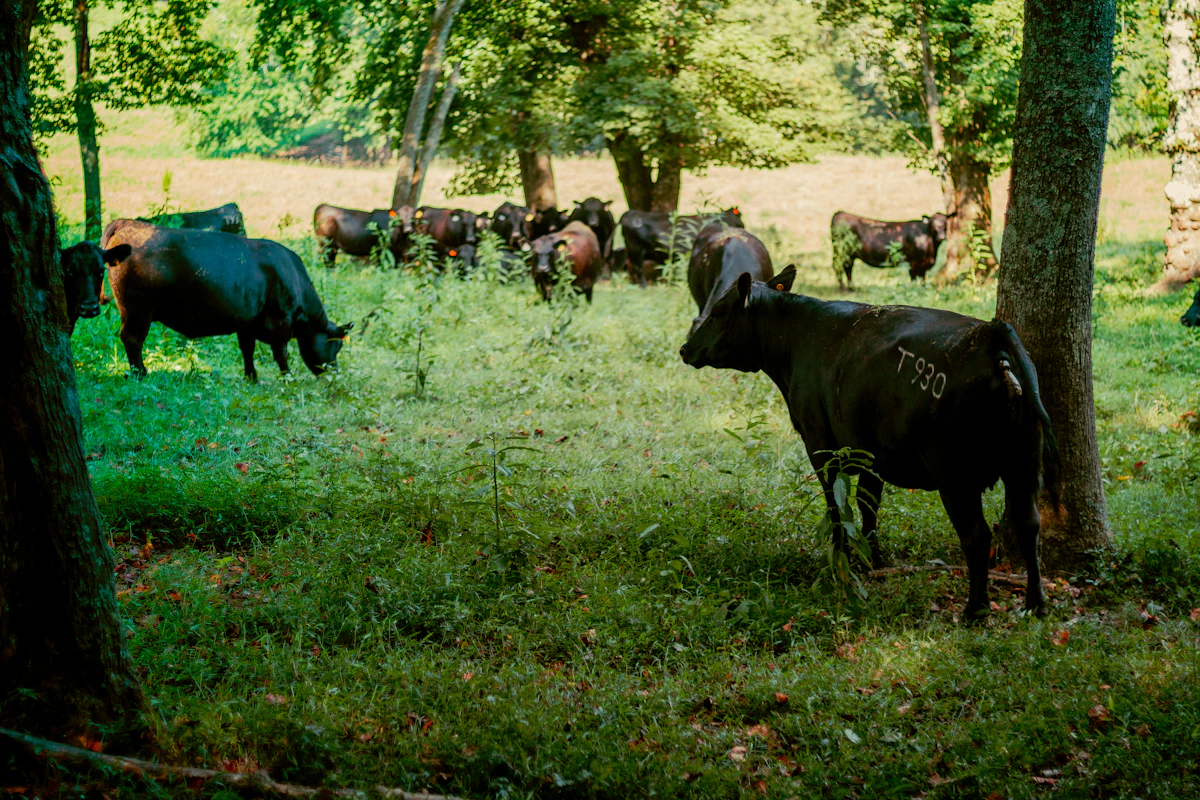
No state is perfect, and Mississippi has a few things to weigh honestly:
- 7% sales tax. One of the higher base rates in the country, it adds up on equipment, building materials, and supplies for a new homestead.
- Heat, humidity, and pests. The same warmth and rain that make Mississippi productive also bring muggy summers, fungal pressure, and heavy insect activity. Plan gardens and animal housing accordingly.
- Hurricane risk in the far south. The southern part of the state is exposed to Gulf storms. Wind, flooding, and power outages are real considerations near the coast and in the Piney Woods.
- Thinner rural services and healthcare. Remote counties can mean longer drives to hospitals, suppliers, and specialized services. Factor distance into your siting if access matters to you.
- Crime varies by location. The statewide violent crime rate of roughly 481 per 100,000 is largely metro-driven. Rural counties are typically far safer, so evaluate crime at the county level rather than trusting the state average.
Getting started
If Mississippi is on your shortlist, a practical sequence looks like this:
- Set your priorities. Decide what matters most: the cheapest land, wooded hill country, the fertile Delta, or distance from hurricane country. That will steer you toward the right region.
- Compare counties with real data. Use the Mississippi state page for county-level numbers, and compare states to confirm Mississippi beats your alternatives.
- Verify the local rules. Call the specific county about building permits, septic, wells, and zoning, since codes and exemptions vary widely here. Confirm cottage food specifics and the on-farm raw milk rules if you plan to sell or buy.
- Visit before you buy. Walk the land, check water sources and drainage, test road access in wet weather, ask about flood history, and talk to neighbors.
- Line up the legal details. A local attorney can clarify the homestead exemption, water rights on your parcel, and any deed restrictions.
For a neighboring comparison, our Alabama homesteading guide is a useful side-by-side, since the two states share a similar climate and price range while differing on the details of taxes and building regulation.
Conclusion
Mississippi is a strong pick for homesteaders who prioritize cheap, well-watered land and a long growing season. Some of the lowest farmland prices in the country, generous rainfall, riparian water rights, a homestead exemption on the first $7,500 of assessed value, partial building codes that leave room for owner-builders, a low cost of living, and Constitutional Carry add up to a practical environment for self-sufficient living. The main things to watch are the 7% sales tax, the heat and humidity, hurricane exposure in the far south, thinner rural services, and metro-driven crime.
The best next step is to look at the numbers for the specific counties you are considering. Explore Mississippi county data and compare all 50 states on Homestead Finder to find the right fit for your homestead.
Frequently Asked Questions
Does Mississippi have building codes for rural homes?
Mississippi's building codes have only partial statewide reach, and rural counties are often exempt, which makes the state friendlier to owner-builders than most of its Deep South neighbors. You should still plan for some local requirements, and septic and well rules apply, so confirm exactly what your target county enforces before you buy or build.
Is it legal to live off-grid in Mississippi?
Yes, off-grid living is generally legal in Mississippi, including solar and rainwater catchment, and the solar resource is solid at roughly 4.5 peak sun hours. Because codes and exemptions vary by county, verify septic, well, and utility-disconnection rules with the specific county before you commit.
Can I sell food from my Mississippi homestead?
Yes. Mississippi's cottage food law allows the sale of homemade products including jams, baked goods, dried herbs, honey, and popcorn. Raw milk is more limited, permitted only in limited on-farm or incidental sales with labeling. Confirm the current product list, labeling, and sales rules before you start.
How much does homestead land cost in Mississippi?
Average farm real estate is around $2,400 per acre statewide, one of the most affordable figures in the country, but prices vary widely by region. The fertile Delta, the wooded hill country, and the cheap Piney Woods all price differently. Check the live Mississippi data page for current county-level figures.
Data reflects 2026 and is meant as a starting point. Building codes, food freedom, and water rules are decided locally and change over time, so always verify current county rules before making decisions.

 Your brand here — Reach our audience of professional directory owners and boost your sales.