Homesteading in Kansas: The Complete 2026 Guide
Kansas homesteading in 2026: affordable land, an unlimited 160-acre homestead exemption, partial building codes, cottage food laws, and water to watch.
Written by Homestead Finder Editorial
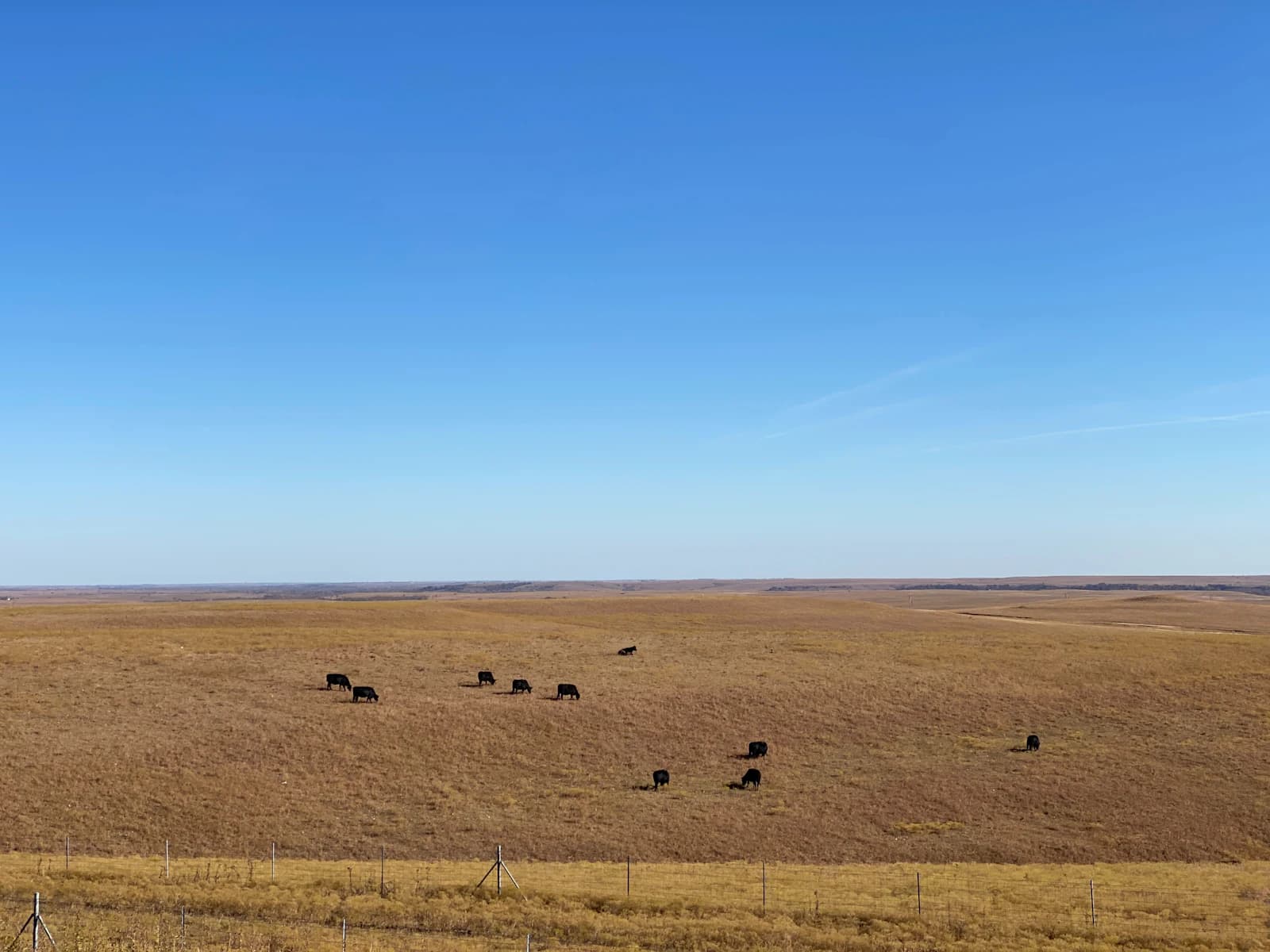
Kansas does not get much attention in homesteading circles, and that is part of the appeal. While buyers chase land in the Ozarks or the Mountain West, the central plains quietly offer some of the most affordable farmland in the country, paired with legal protections that are genuinely hard to beat. If you are weighing your options, this guide walks through what it actually takes to homestead in Kansas in 2026, where the state shines, and where you need to do your homework before you buy.
For a quick data snapshot and the numbers behind each topic, start with our Kansas state profile, then come back here for the practical detail. You can also compare Kansas against every other state on our all states overview.
Kansas at a glance
| Factor | Kansas (2026) |
|---|---|
| State income tax (top rate) | 5.58% |
| State sales tax | 6.5% |
| Business-climate rank | #25 |
| Homestead exemption | Unlimited value; up to 160 rural acres |
| Avg farm real estate | ~$2,970/acre |
| Number of farms | ~58,000 |
| USDA hardiness zones | 5b–7a |
| Annual rainfall | 16–42 inches (dry west, wetter east) |
| Growing season | 165–200 days |
| Water rights | Prior Appropriation |
| Building codes | Partial (many rural counties exempt) |
| Off-grid living | Generally legal |
| Homeschool regulation | Low |
| Gun laws | Constitutional carry |
| Raw milk | On-farm / farm-gate sales only |
| Cottage food | Allowed (Kansas Food Sales Act) |
| Cannabis | CBD only |
| Solar | ~5.0 peak sun hours/day |
Data reflects 2026 conditions. Rules vary by county, so always verify locally before you commit.
Why Kansas for homesteading
The case for Kansas rests on three pillars: cheap land, strong legal protection, and light regulation.
Farm real estate averages around $2,970 per acre, which puts a meaningful acreage within reach for budgets that would buy only a few acres elsewhere. With roughly 58,000 farms across the state, there is an established agricultural culture, an active land market, and infrastructure built around working the land rather than hobby parcels.
Layered on top of that affordability is one of the strongest homestead protections in the United States, plus light-touch rules on building, schooling, and firearms. For homesteaders who value self-reliance and want to keep their costs and their paperwork low, Kansas is an underrated fit. The trade-offs are real, and we cover them below, but the foundation is solid.
If you are still comparing states, our roundup of the best states for homesteading in 2026 puts Kansas in context against the field.
Taxes and cost of living
Kansas sits in the middle of the pack on taxes. The state income tax tops out at 5.58%, and the statewide sales tax is 6.5%, though local jurisdictions add their own rates on top, so your total at the register will usually be higher. The business-climate rank of #25 reflects that middle position: not a standout, not a deterrent.
Where Kansas truly separates itself is the homestead exemption, and it is worth understanding clearly because it is unusual. Kansas protects your homestead with no dollar cap on value, covering up to 160 acres of rural land (or roughly an acre in town). That means a qualifying homestead is shielded from most creditors regardless of how much it is worth. Few states come close to this level of asset protection, and for anyone concerned about lawsuits or financial risk, it is a major reason to look at Kansas seriously.
To see how this stacks up nationally, compare it on our guide to homestead exemptions by state.
Land and farms
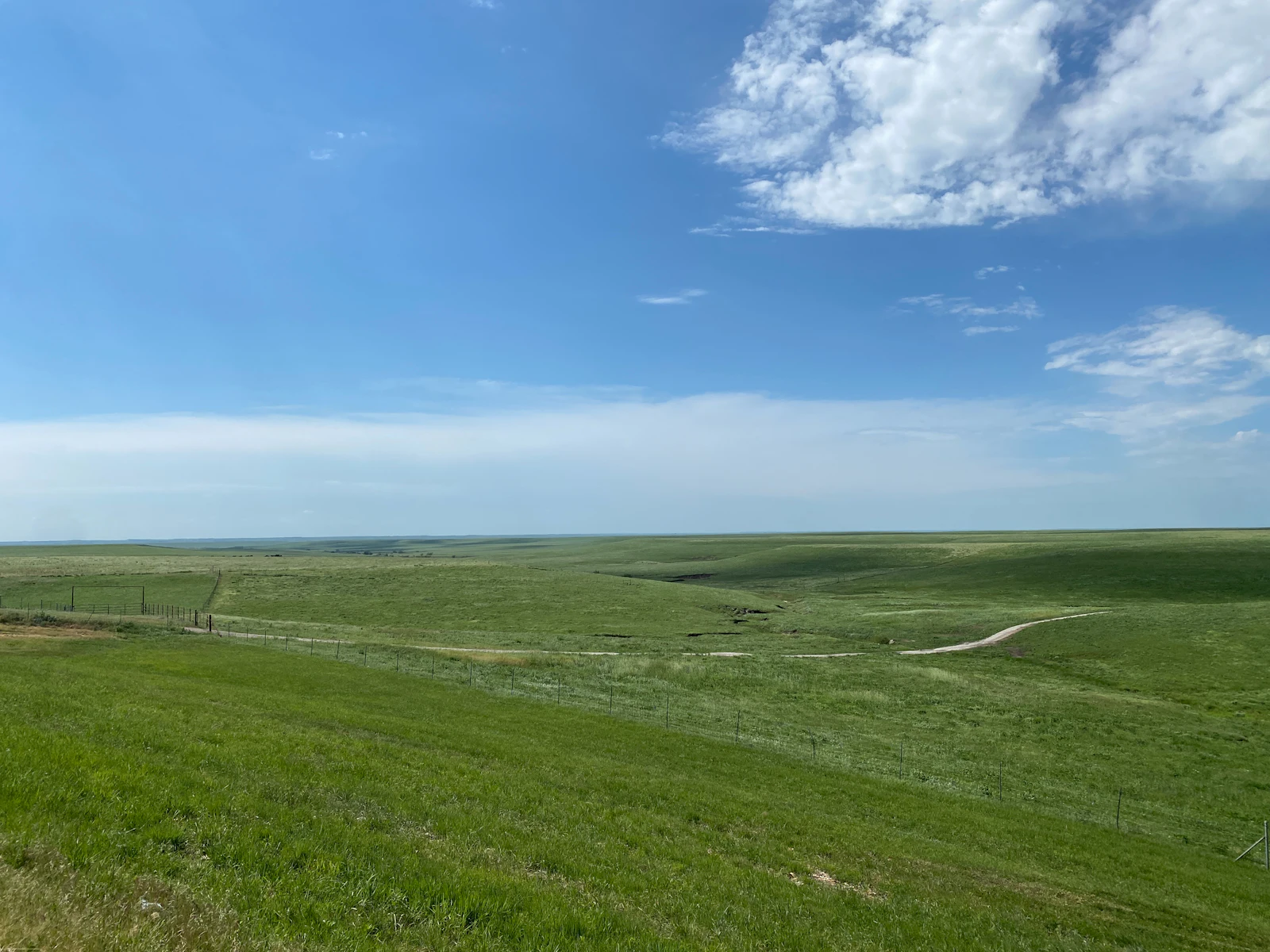
Land is the headline. At roughly $2,970 per acre on average, Kansas farmland is genuinely affordable, and the state's large inventory of working farms keeps the market liquid. You will find everything from rolling cropland in the east to vast grazing tracts in the west.
One feature unique enough to call out: several rural Kansas towns run free or low-cost lot programs to attract new residents. These give away or heavily discount residential parcels in exchange for meeting build requirements within a set timeframe. They are aimed at town lots rather than acreage, so they suit homesteaders who want a home base near services more than those seeking large remote tracts, but they can be a remarkable way to lower your entry cost.
If keeping the purchase price down is your priority, see our breakdown of the cheapest states to buy homestead land, where Kansas earns its place.
Climate and growing season
Kansas spans USDA hardiness zones 5b through 7a, with a growing season of roughly 165 to 200 days depending on where you settle. That is a workable season for a wide range of vegetables, grains, and fruit, though it is shorter than what you would get in the Deep South, so plan your varieties accordingly.
The defining climate feature is the east-to-west moisture gradient. Annual rainfall ranges from about 42 inches in the wetter eastern third of the state down to roughly 16 inches in the arid western high plains. That is a dramatic difference, and it should shape where you buy and how you plan to grow. With about 5.0 peak sun hours per day, solar is a practical off-grid power option statewide.
Kansas also sits in Tornado Alley. Severe spring and summer storms, hail, and persistent wind are part of life here. Build and site accordingly, and budget for a storm shelter.
Water
Water is the single most important thing to investigate before you buy in Kansas, especially in the west. Kansas uses the Prior Appropriation doctrine, the Western-style system in which water is allocated by permit and seniority rather than simply attaching to the land you own. Older ("senior") rights get fulfilled first in a shortage, and newer rights may go unmet.
In practical terms, this means you cannot assume that owning land gives you the right to pump from a well or stream for irrigation or livestock at the scale you want. Confirm exactly what water rights come with a property, what permits are required, and how reliable the supply is, particularly in the drier western counties where groundwater is under pressure. The eastern half of the state, with more rainfall and surface water, is far more forgiving. Treat water due diligence as non-negotiable.
Building codes and off-grid
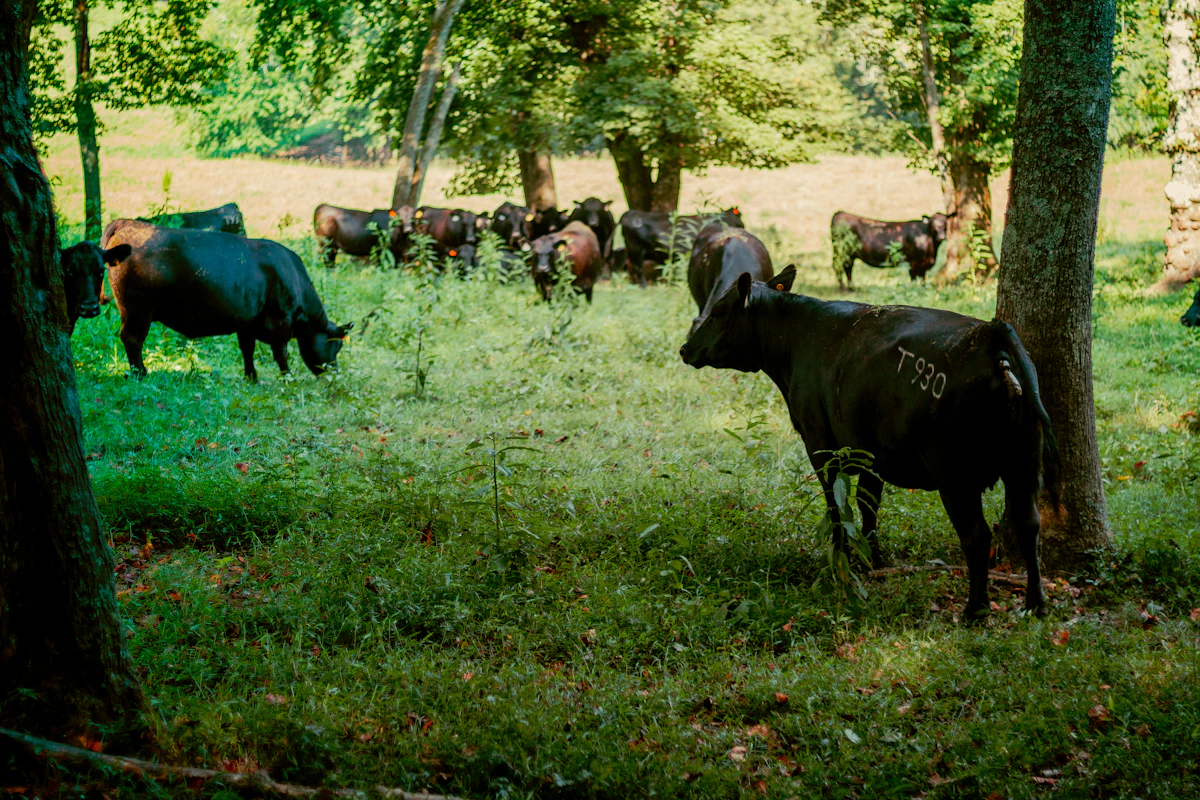
Kansas takes a light approach to building regulation. The state has only partial statewide code reach, and many rural counties impose no building codes at all. That gives owner-builders and off-gridders significant freedom to build on their own terms, often without the inspection regime you would face in more regulated states.
Off-grid living is generally legal in Kansas, including independent power, water, and waste systems where local rules allow. Because enforcement and requirements vary widely from county to county, call the county and ask before you commit to a plan, but the overall environment is welcoming to self-sufficient builds.
Food freedom: cottage food and raw milk
Kansas gives small producers room to sell. Under the Kansas Food Sales Act, home-produced foods can be sold, which opens the door to baked goods, preserves, and other cottage-food products as a side income or a way to offset your costs. As always, confirm which product categories qualify and what labeling applies to your situation.
Raw milk is allowed on a limited basis: sales are permitted on-farm or at the farm gate, meaning customers come to you rather than buying through retail channels. That is a more restrictive model than some states, but it does give dairy-minded homesteaders a legal path to sell directly.
On cannabis, Kansas remains restrictive: only CBD is permitted. If a broader cannabis allowance matters to your plans, Kansas is not the place for it in 2026.
Homeschooling and gun laws
Two more areas where Kansas leans hands-off. Homeschooling carries low regulation, making it straightforward for homesteading families to educate at home without heavy reporting or oversight.
On firearms, Kansas is a constitutional-carry state, meaning lawful residents can generally carry without a permit. For rural homesteaders who keep firearms for property and predator management, this is a notably permissive framework. As with everything, stay current on the specifics, but the baseline is friendly.
Best regions for homesteading
Kansas is really three regions, and choosing the right one matters more here than in many states.
Eastern Kansas
The eastern third is the easiest place to homestead. It is wetter, more wooded, and gently rolling, with the most reliable rainfall and surface water in the state. If you want the lowest-friction path to a productive garden, orchard, and pasture, start your search here.
The Flint Hills
The Flint Hills are a band of tallgrass prairie running through east-central Kansas, and they are some of the best native grazing land in the country. The thin rocky soil that kept the plow out is exactly what makes this premier cattle country. If livestock, especially grass-fed beef, is central to your plan, the Flint Hills deserve a close look.
Western Kansas
The western high plains are arid, open, and very cheap. Land here costs the least, but the constraint is water: you will depend on wells and irrigation, and water rights become the deciding factor in whether a parcel is viable. For experienced dryland farmers and ranchers willing to manage that reality, the value is real. For newcomers, the learning curve is steep.
Downsides and things to watch
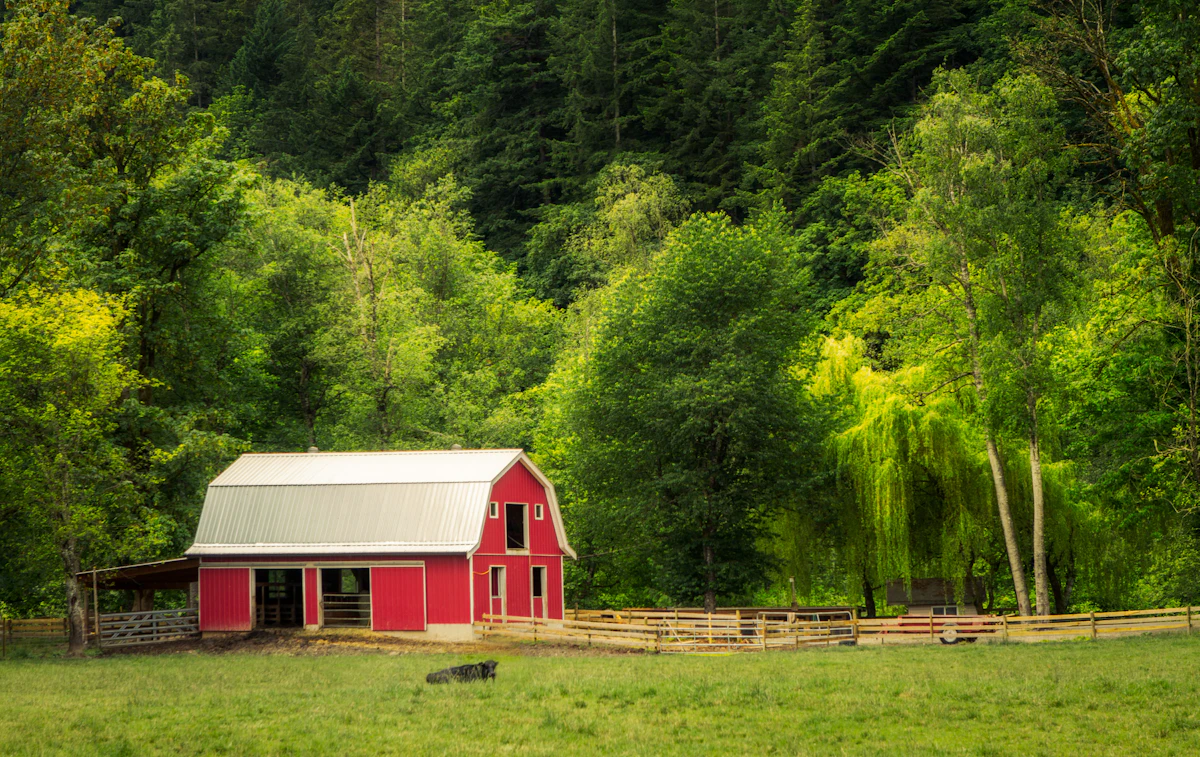
Kansas is a strong option, but know the trade-offs before you buy:
- Water rights. Prior appropriation means owning land is not the same as owning water. This is the top item on your due-diligence list, especially out west.
- Aridity in the west. The western half can be genuinely dry, and irrigation is not optional there.
- Severe weather. Tornado Alley brings tornadoes, hail, and relentless wind. Plan structures and shelter accordingly.
- Shorter season. The 165–200 day growing season is solid but trails the South, so choose cold-hardy and quicker-maturing varieties.
- Cannabis. CBD only, with no broader allowance in 2026.
None of these are dealbreakers on their own, but together they explain why Kansas rewards homesteaders who plan carefully.
Getting started
A practical sequence for a Kansas move:
- Pick your region first. Decide between the easier east, the grazing-focused Flint Hills, or the cheap-but-dry west based on what you intend to produce.
- Investigate water before price. For any candidate property, confirm the water rights, permits, and well or surface-water reliability. In the west, this comes before everything else.
- Call the county. Ask directly about building codes, off-grid systems, and septic rules, since these vary widely between counties.
- Check for lot programs. If a town base appeals to you, look into the free and low-cost lot programs and their build requirements.
- Run the numbers on the exemption. Factor the unlimited homestead protection into your asset and estate planning; it is a real benefit worth structuring around.
For a neighboring point of comparison with a longer growing season and similar central-plains character, see our Missouri homesteading guide.
Conclusion
Kansas is an underrated, low-cost homesteading option. Affordable central-plains land, an unlimited 160-acre homestead exemption, partial building codes, constitutional carry, the Kansas Food Sales Act, and even free-lot town programs add up to a strong, low-friction foundation, particularly for self-reliant builders and graziers. The catches — prior-appropriation water, real aridity in the west, Tornado Alley weather, a shorter season than the South, and CBD-only cannabis — are manageable with planning but worth taking seriously.
Compare Kansas side by side with every other state and dig into the underlying data on the Kansas profile and the all states overview at Homestead Finder.
Frequently asked questions
Is Kansas a good state for homesteading?
Yes, for the right buyer. Affordable farmland, an unusually strong homestead exemption, light building and homeschooling regulation, and constitutional carry make Kansas a low-cost, low-friction choice. The main caveats are water rights and aridity in the west, severe weather, and a shorter season than southern states.
What makes the Kansas homestead exemption special?
Kansas protects a qualifying homestead with no cap on value, covering up to 160 rural acres. That unlimited protection from most creditors is one of the strongest asset-protection provisions in the country, which is a significant draw for risk-conscious homesteaders.
How much does homestead land cost in Kansas?
Farm real estate averages around $2,970 per acre, making Kansas one of the more affordable states for acreage. Some rural towns also offer free or low-cost residential lots to new residents, subject to build requirements.
Do I automatically get water rights with Kansas land?
No. Kansas follows prior appropriation, so water is allocated by permit and seniority rather than tied automatically to land ownership. Confirm the specific water rights and permits for any property before buying, especially in the drier western counties.

 Your brand here — Reach our audience of professional directory owners and boost your sales.