Homesteading in Alabama: The Complete 2026 Guide
Cheap, well-watered land, a 220-260 day growing season, low taxes, and constitutional carry make Alabama a strong-value Deep South homestead pick.
Written by Homestead Finder Editorial
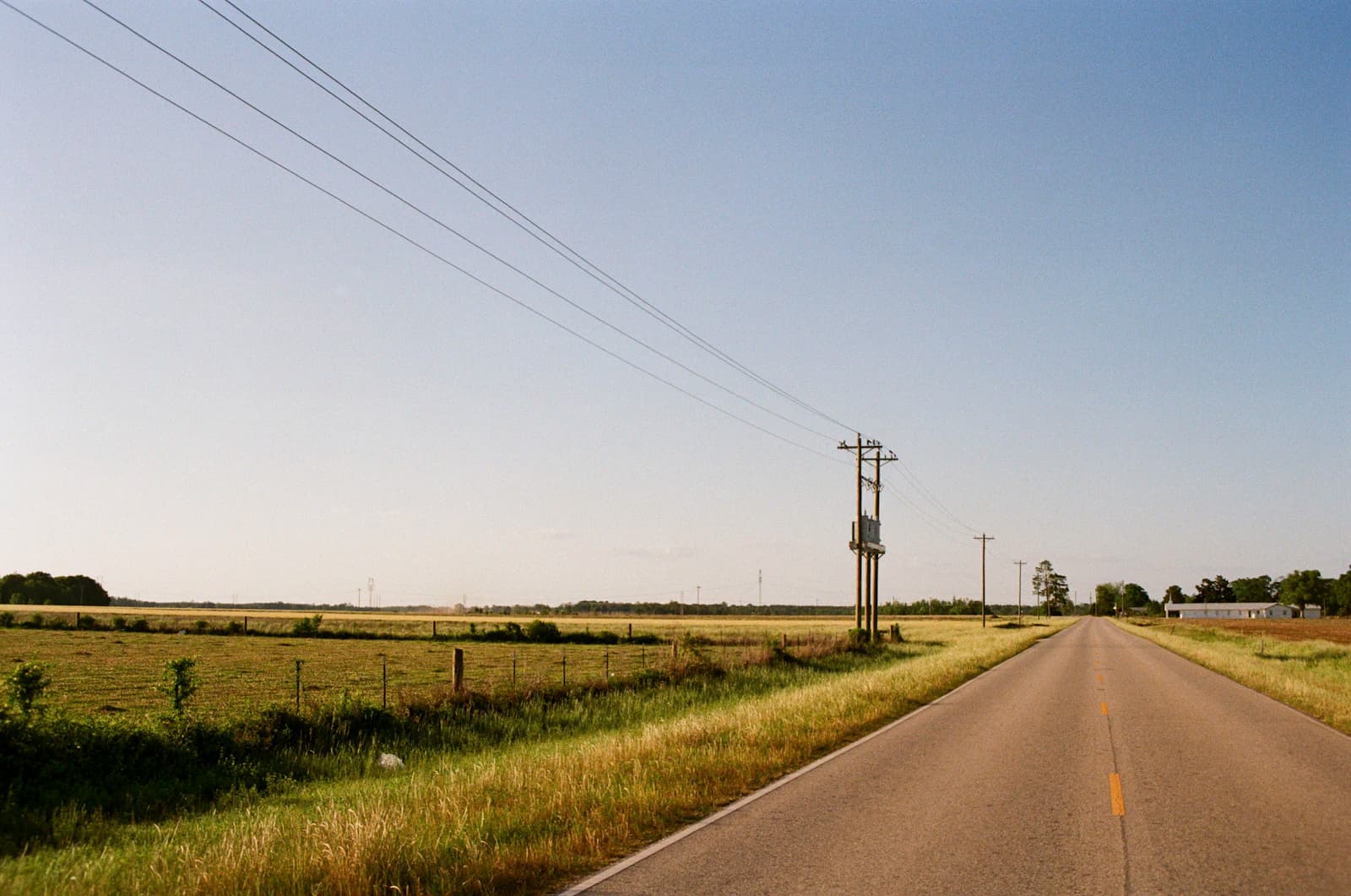
Alabama rarely tops the lists people scan first, and that is exactly why it deserves a closer look. The state combines some of the cheapest farmland in the country with one of the longest growing seasons in the United States, plenty of rainfall, and a light tax and regulatory touch on most things that matter to a homesteader. For a deeper data breakdown of every metric, see our Alabama state profile; this guide is the on-the-ground companion that explains what those numbers mean for daily life on the land. You can also compare it against all 50 states when you are weighing your options.
All figures here reflect 2026 conditions. Rules vary widely between counties, so always verify local ordinances before you buy.
Why Alabama for homesteading
The short version: Alabama is a value play. Average farm real estate runs about $1,850 per acre, putting it among the most affordable states in the country, and unlike some cheap-land states out West, that land is truly productive and well watered. The state sees 45 to 65 inches of rain a year and offers a 220 to 260 day growing season across USDA zones 7a to 8b. Few places let you grow this much for this little upfront cost.
Layer on a relatively low effective tax burden, a generous homestead exemption, constitutional carry, and low homeschool regulation, and you have a Deep South package that punches above its price. Alabama earns a spot in our cheapest states to buy homestead land guide for good reason.
Alabama at a glance
| Factor | Detail (2026) |
|---|---|
| State income tax (top rate) | 5.75% (relatively low effective burden) |
| State sales tax | 4% (counties add more) |
| Business-climate rank | #38 |
| Homestead exemption | $4,000 (state) + up to $2,000 (county) assessed value; full state exemption for owners 65+ |
| Avg. farm real estate | ~$1,850/acre (among the most affordable) |
| Number of farms | ~42,000 |
| USDA hardiness zones | 7a-8b |
| Annual rainfall | 45-65 inches |
| Growing season | 220-260 days |
| Water rights | Riparian (favorable) |
| Off-grid living | Generally legal |
| Building codes | Statewide code; rural counties vary |
| Raw milk | On-farm / farm-gate sales only |
| Cottage food | Limited; some foods allowed without a license |
| Homeschool regulation | Low |
| Gun laws | Constitutional carry |
| Solar potential | ~4.5 peak sun hours |
Taxes and cost of living
Alabama keeps the overall tax load light for most homesteaders. The top income tax rate is 5.75%, but the effective burden tends to be on the lower side. The state sales tax is just 4%, though counties and municipalities stack their own rates on top, so your at-the-register total will be higher depending on where you live.
The standout for landowners is the homestead exemption: a $4,000 assessed-value exemption against the state property tax plus up to $2,000 against county tax, and it becomes most generous for homeowners aged 65 and older, who can qualify for a full exemption from the state portion. Property taxes in Alabama are already among the lowest in the nation, which keeps the long-term carrying cost of land low — an underrated factor when you are holding acreage for decades.

Land and farms
With roughly 42,000 farms and an average farm real estate value near $1,850 per acre, Alabama offers room to start small or scale up without the sticker shock of the Mountain West or Northeast. That price reflects real working land, not just scrub. The combination of cheap acreage and dependable rainfall is the core of Alabama's appeal: you can buy more land for your money and actually grow on it.
Pasture, woodlot, and cropland are all readily available, and the state's mix of terrain means you can find everything from cooler wooded ridges to flat, fertile bottomland. As always, walk the property, check soil and drainage, and confirm road and utility access before committing.
Climate and growing season
This is where Alabama shines. A growing season of 220 to 260 days is among the longest in the country, and USDA zones 7a to 8b suit a wide range of crops, including some that struggle further north. Many gardeners can run spring, summer, and fall plantings, and cool-season crops extend production well into the shoulder months.
The flip side is heat and humidity. Summers are long, hot, and muggy, which is great for warm-season crops but hard on people, livestock, and cool-season greens at the peak of summer. Pest and disease pressure runs high in this climate, so plan for shade, ventilation, parasite management, and varieties bred for Southern conditions.
Water
Water is one of Alabama's quiet advantages. At 45 to 65 inches of rainfall a year, the state is genuinely wet, which means less reliance on irrigation and better odds of productive pasture and ponds. Alabama follows riparian water rights, which are generally favorable to landowners: if you own land bordering a water source, you typically have reasonable-use rights to it. This is a friendlier framework than the prior-appropriation systems common in the arid West, where water can be a constant constraint. Rainwater harvesting is a practical complement here given the consistent rainfall.
Building codes and off-grid living
Off-grid living is generally legal in Alabama, and with about 4.5 peak sun hours, solar is a workable part of an off-grid energy plan even if the state is not the sunniest. The catch is that Alabama has a statewide building code. Off-grid setups are legal, but you should expect more permitting than in states with no statewide code, and enforcement and specific rules vary considerably by county. Rural counties often apply codes more loosely than urban ones, but you cannot assume that — verify with the local building department before you design your system. Septic, electrical, and structural requirements are the areas most likely to trip up a self-built off-grid home.
Food freedom: cottage food and raw milk
Alabama's food-freedom picture is mixed. The cottage food law is on the more limited side: certain foods are allowed to be sold without a license, but the list and conditions are narrower than in the most permissive states. If you plan to sell baked goods, jams, or similar shelf-stable items, read the current rules carefully and check our cottage food laws by state guide to see how Alabama stacks up.
Raw milk sales are restricted to on-farm or farm-gate transactions only, meaning you can sell directly from the farm but not through retail channels. Cannabis is legal for medical use only. None of these are dealbreakers for a self-sufficiency homestead, but they do limit some direct-to-consumer income streams, so factor that into any business plan.
Homeschooling and gun laws
Two areas where Alabama is notably easygoing. Homeschool regulation is low, giving families flexibility in how they educate their children, including options like enrolling in a church school program that handles much of the administrative side. For many homesteading families, this freedom is a major draw.
On firearms, Alabama is a constitutional carry state, meaning a permit is not required to carry. The state's overall political lean is R+15, which tends to correlate with stable, gun-friendly policy. As with everything, confirm the current details before relying on them.
Best regions for homesteading
Alabama is not one landscape but several, and the right region depends on what you want.
- North Alabama (Appalachian foothills, Sand Mountain). The cooler, wooded high country in the north is a long-standing favorite for homesteaders. Higher elevations take a little edge off the summer heat, and the forested terrain suits woodlots, hollows, and small diversified farms.
- Central Alabama (Black Belt and Piedmont). The middle of the state offers a mix of farmland, with the historically fertile Black Belt soils and the rolling Piedmont. This is solid mixed-farming country for crops and livestock.
- South Alabama (Gulf coastal plain). The far south is hot and humid with the longest growing seasons in the state, ideal for warm-season production, but it carries real hurricane exposure. If you settle here, build and plan with severe weather in mind.
Downsides and things to watch
No state is perfect, and Alabama's trade-offs are worth taking seriously:
- Statewide building code. More permitting and oversight for off-grid and owner-built homes than in code-free states, with county-by-county variation.
- Heat, humidity, and pests. Long, intense summers and heavy pest and disease pressure demand climate-appropriate planning.
- Hurricane risk. The far south is exposed to tropical systems.
- Limited cottage food law. Fewer license-free options than the most permissive states, which can cap small-scale food income.
- Crime is metro-driven. Statewide violent crime sits around 493 per 100,000, but that figure is skewed by urban areas; rural counties tend to be considerably safer. Research your specific area rather than relying on the statewide number.
For a wider comparison of how Alabama measures up, see our best states for homesteading in 2026 rankings, and weigh it against a neighbor like Tennessee, which has no state income tax but shorter growing seasons in its higher elevations.
Getting started
A practical path into an Alabama homestead looks something like this:
- Pick your region first. Decide between the cooler northern foothills, the mixed central farmland, or the long-season but storm-exposed south, based on your priorities.
- Verify county rules early. Because building codes and ordinances vary so much by county, confirm zoning, septic, off-grid, and structure requirements with the local authority before you make an offer.
- Walk the land. Check soil, drainage, water access, road access, and elevation in person. Wet climate means drainage matters.
- Plan for the climate. Choose heat-tolerant varieties and livestock, plan shade and ventilation, and budget for pest and parasite management.
- Map your income and food plan. Account for the limited cottage food law and farm-gate-only raw milk rules if direct sales are part of your strategy.
Conclusion
Alabama is one of the strongest value picks in the Deep South for homesteaders who want cheap, productive, well-watered land and a genuinely long growing season, paired with low taxes, low homeschool regulation, and constitutional carry. The honest trade-offs are a statewide building code, intense summer heat and humidity, hurricane risk in the far south, a limited cottage food law, and metro-driven crime statistics that overstate risk in rural areas. For self-reliant families who can work with the climate and do their county-level homework, Alabama delivers more usable acreage per dollar than almost anywhere else.
Ready to dig into the numbers? Start with the Alabama state profile and compare it across all 50 states to find the right fit for your homestead.
Frequently Asked Questions
Is Alabama a good state for homesteading?
Yes, particularly if value matters to you. Average farm land near $1,850 per acre, 45 to 65 inches of annual rainfall, and a 220 to 260 day growing season make it one of the most affordable, productive options in the country. The main trade-offs are a statewide building code, summer heat and humidity, and hurricane risk in the south.
Can you live off-grid legally in Alabama?
Yes. Off-grid living is generally legal in Alabama, and with around 4.5 peak sun hours solar is workable. However, the state has a statewide building code, so expect more permitting than in code-free states, and confirm specific septic, electrical, and structural rules with your county, since enforcement varies.
What are Alabama's cottage food and raw milk rules?
The cottage food law is limited: certain foods may be sold without a license, but the allowed list is narrower than in the most permissive states. Raw milk sales are restricted to on-farm or farm-gate transactions only. Verify the current rules before building a direct-sales plan.
How affordable is land in Alabama?
Very. At roughly $1,850 per acre on average, Alabama is among the cheapest states for homestead land, and unlike many low-cost states, that land is well watered and productive. Property taxes are also among the nation's lowest, and the homestead exemption ($4,000 against state tax plus up to $2,000 county, and a full state exemption for owners 65+) keeps long-term carrying costs down.

 Your brand here — Reach our audience of professional directory owners and boost your sales.