Cottage Food Laws by State: Sell Homemade Food Legally (2026)
Cottage food laws let you sell homemade baked goods, jams, and honey from your kitchen. See limits, sales caps, and rules for all 50 states in 2026.
Written by Homestead Finder Editorial
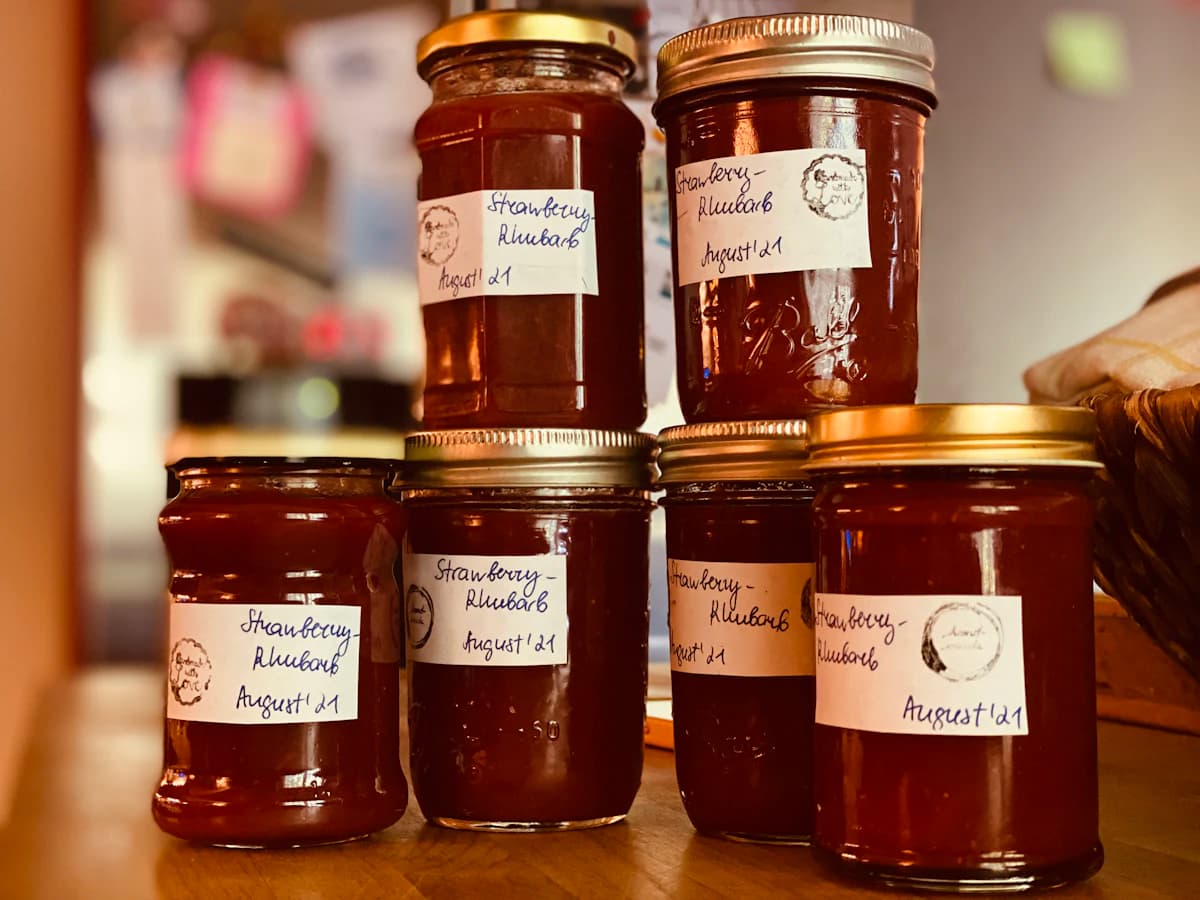
If you bake bread, put up jam, or keep bees, you may be able to sell what you make straight from your home kitchen — no commercial space or full food license required. That's the promise of cottage food laws. Every state allows some version of home-based food sales, but the rules vary widely: what you can sell, where you can sell it, how much you can earn, and how you have to label it. This guide breaks down where each state lands in 2026 so you can plan a small food business or a homestead side income without guessing.
Cottage food rules connect closely with other homestead decisions about land, livestock, and local regulations. If you're still choosing where to settle, our state-by-state comparison is a good place to start, along with our guides to the best states for homesteading in 2026 and the most tax-friendly states for homesteaders.

What Is a Cottage Food Law?
A cottage food law lets individuals sell certain "non-hazardous" foods made in a home kitchen directly to consumers, usually without a commercial kitchen or full licensing. The idea is to support small producers and home cooks while keeping food-safety risk low.
Typical permitted products include:
- Baked goods that don't need refrigeration (breads, cookies, many cakes)
- Jams, jellies, and fruit preserves
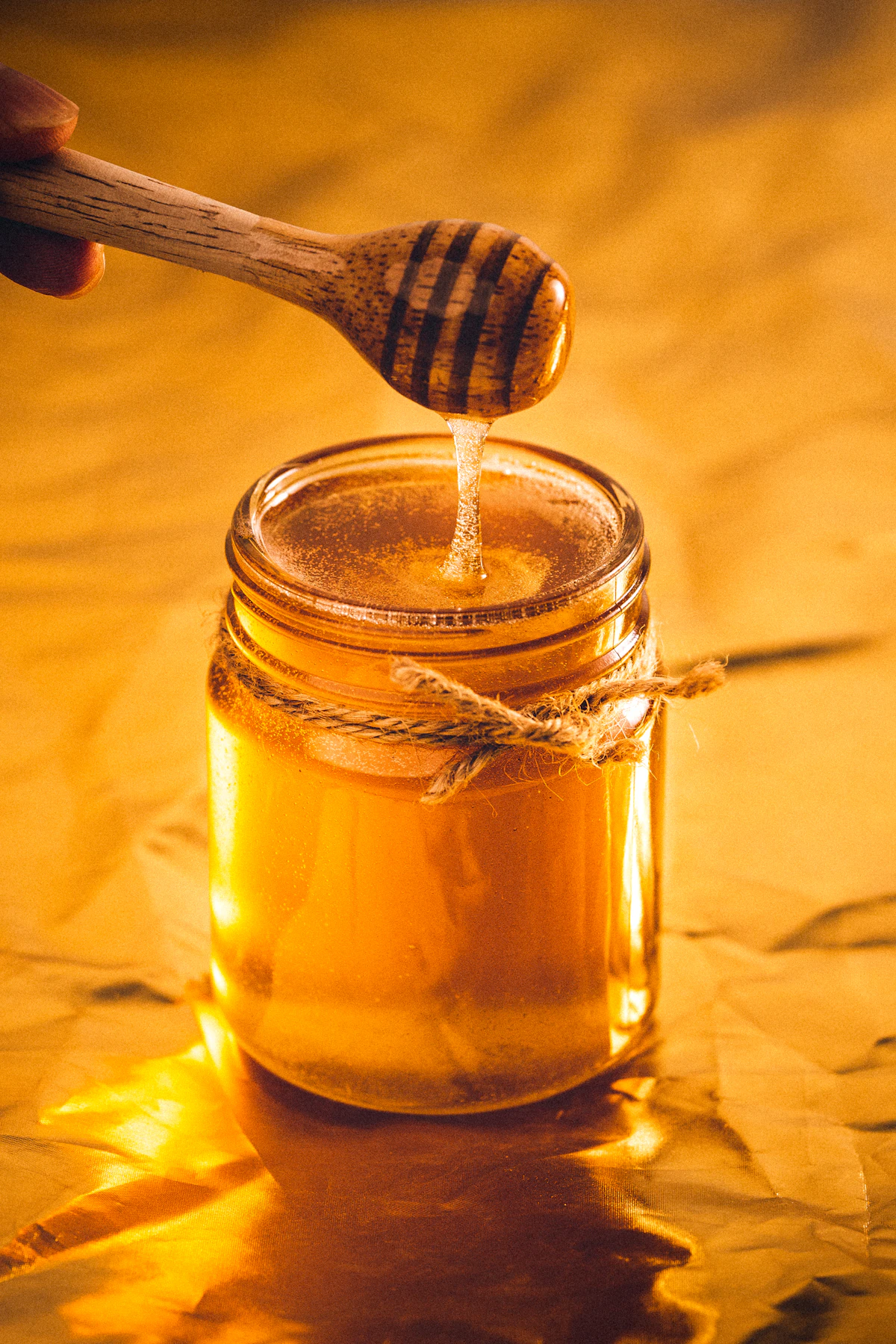
- Honey and dried herbs
- Candies, chocolates, and confections
- Dried goods like granola, popcorn, and dry mixes
These foods are considered low-risk because they don't support the rapid growth of dangerous bacteria at room temperature.
Common Limits to Expect
Even in friendly states, cottage food laws usually come with conditions:
- Approved-foods lists. Many states publish a specific list of allowed products. If it isn't on the list, you can't sell it under the exemption.
- No potentially hazardous foods. Most dairy, meat, and canned low-acid foods (like home-canned vegetables or salsas that aren't lab-tested) are generally off-limits because they carry higher spoilage and contamination risk.
- Labeling rules. Labels typically must list ingredients, allergens, your contact information, and a statement that the food was made in a home kitchen not subject to state inspection.
- Sales venues. Some states allow home, farmers market, roadside stand, and online sales; others restrict you to in-person, direct-to-consumer sales only.
- Annual sales caps. A number of states cap how much cottage food revenue you can earn before you must move to a licensed commercial kitchen.
One important distinction: raw milk is almost never treated as a cottage food. It's regulated under separate, often stricter, dairy rules. If selling raw milk is part of your plan, read our raw milk laws by state guide, because the answer there can be very different from your cottage food answer.
Cottage Food Laws by State (2026)
The table below groups all 50 states by how broad their cottage food allowances are. "Broad/Strong" states permit the widest range of products and sales channels. "Moderate" states permit cottage food through a defined law or approved list with reasonable limits. "Limited/Restrictive" states allow only narrow categories or impose heavier licensing.
| Group | States |
|---|---|
| Broad / Strong | Wyoming, Maine, Texas, California, Illinois, Michigan, Minnesota, Tennessee |
| Moderate (state law or approved-foods list) | Idaho, Indiana, Iowa, Kansas, Kentucky, Louisiana, Montana, Missouri, Oklahoma, West Virginia, Florida, Georgia, Mississippi, Nebraska, Nevada, New Hampshire, New Mexico, New York, North Carolina, North Dakota, Ohio, Oregon, Pennsylvania, South Carolina, South Dakota, Utah, Vermont, Virginia, Washington, Wisconsin |
| Limited (certain foods without license) | Alabama, Arizona, Colorado, Connecticut, Delaware, Hawaii, Alaska |
| Most Restrictive | New Jersey, Rhode Island, Massachusetts, Maryland |
Broad and Strong States
A handful of states stand out for how much freedom they give home food producers.
- Wyoming passed the Wyoming Food Freedom Act, one of the broadest food-freedom laws in the country, allowing wide direct-to-consumer sales of homemade foods.
- Maine has a Food Sovereignty Act that lets individual towns regulate local food sales independently, which can make rules very permissive at the community level.
- Texas allows sales from home, at farmers markets, and online, with no permit required for many products.
- California has an extensive cottage food framework, with many foods allowed without a license.
Several of these broad states place high caps, or no cap at all, on annual sales, which matters if you want to grow:
- Illinois: no revenue cap on direct-to-consumer sales
- Michigan: up to $50,000, or $75,000 if every product is priced $250 or more per unit
- Minnesota: up to $78,000
- Tennessee: no sales cap under the Food Freedom Act, with sales allowed at farmers markets and roadside stands
Moderate States
Most states fall into the moderate group. They permit cottage food sales through a named law, a registration step, or a defined list of approved products.
States with a formal cottage food law, act, or registration/license step include:
- Idaho (with registration)
- Indiana (Home-Based Vendor law)
- Iowa (Home Food Processing Establishment license)
- Kansas (Food Sales Act)
- Kentucky (home-based sales)
- Louisiana (Cottage Food Law, with limits)
- Montana (Cottage Food Act)
- Missouri (with some restrictions)
- Oklahoma (with restrictions)
- West Virginia (with restrictions)
- Florida (many foods allowed)
- Georgia (many foods allowed)
States that permit a specified list of foods, such as jams, baked goods, honey, and dried goods, include Mississippi, Nebraska, Nevada, New Hampshire (including maple syrup and certain dairy), New Mexico (including chile products), New York (including maple syrup and certain dairy), North Carolina, North Dakota, Ohio, Oregon, Pennsylvania, South Carolina, South Dakota, Utah, Vermont (including maple syrup and certain dairy), Virginia, Washington, and Wisconsin.
If you live in a state that allows certain dairy or syrups under its cottage food list (like New Hampshire, New York, or Vermont), still confirm exactly which products qualify. The dairy items allowed are usually narrow and specific.
Limited and Most Restrictive States
Some states allow only a few categories of homemade food to be sold without a license:
- Limited (certain foods only): Alabama, Arizona, Colorado, Connecticut, Delaware, Hawaii, and Alaska permit specific foods without a full license but keep the range narrower than broad states.
The most restrictive states limit cottage food sharply or layer on extra licensing:
- New Jersey: very limited, mostly pickled goods and some baked items
- Rhode Island: very limited, with honey and certain baked goods allowed under licensing
- Massachusetts: a residential-kitchen exemption that comes with restrictions
- Maryland: a cottage food exemption with restrictions
In these states, plan to verify the current product list closely and budget extra time for any licensing or inspection steps.
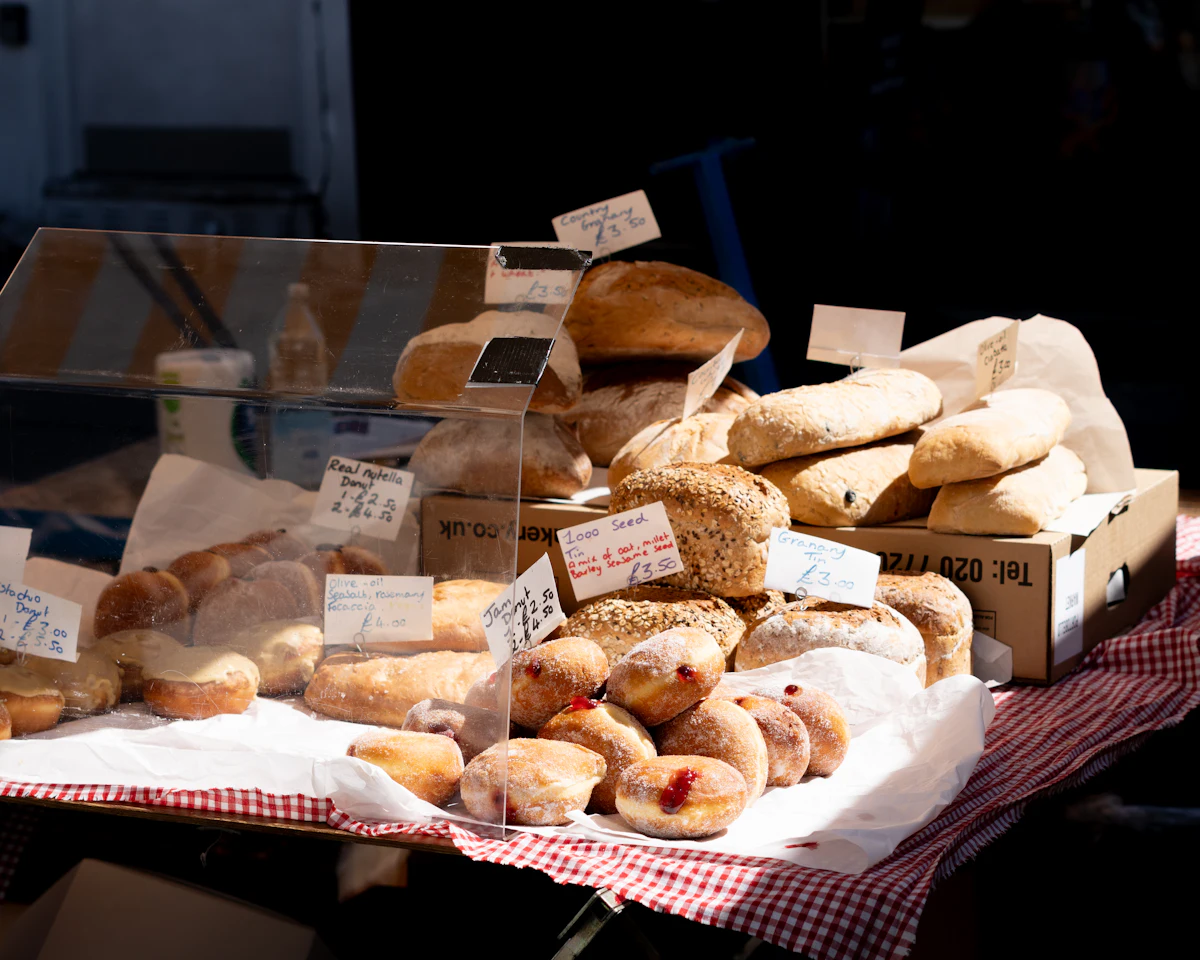
How to Start Selling Cottage Foods
Once you know your state's group, the path is fairly consistent:
- Confirm your product is allowed. Check your state's approved-foods list or cottage food law. When in doubt, contact your state agriculture or health department directly.
- Handle registration or licensing if required. Some states (like Idaho or Iowa) ask for registration or a specific license even for home-based sales.
- Set up compliant labels. Include ingredients, allergens, your contact information, and any required "made in a home kitchen" disclosure.
- Pick your sales channels. Confirm whether your state allows home, farmers market, roadside, and online sales before you advertise.
- Track your revenue against the cap. If your state has an annual sales cap, watch it. Crossing the threshold usually means moving to a licensed commercial kitchen.
A cottage food business pairs naturally with a broader homestead plan. If you're building from the ground up, our guide on how to start a homestead walks through land, infrastructure, and the early decisions that make a small food enterprise possible.
Frequently Asked Questions
What foods are usually banned under cottage food laws?
Most states prohibit "potentially hazardous" foods that need refrigeration or careful processing to stay safe. That generally rules out most dairy products, meats, and home-canned low-acid foods like vegetables or non-tested salsas. Allowed items are usually shelf-stable: baked goods, jams, jellies, honey, dried herbs, candies, and dry mixes.
Can I sell my homemade food online or only in person?
It depends on your state. Broad states like Texas allow home, farmers market, and online sales. Many other states restrict cottage food to direct, in-person, consumer sales only. Always confirm permitted venues before listing products online or shipping across state lines, since interstate sales can trigger federal rules.
Is there a limit on how much I can earn?
It varies by state. Some set no cap at all — Illinois and Tennessee, for example, place no dollar limit on direct-to-consumer cottage food sales. Others do cap revenue: Minnesota allows up to $78,000, and Michigan up to $50,000 (or $75,000 if every product is priced $250 or more per unit). Once you exceed a state's limit, you typically need to move to a licensed commercial kitchen.
Does a cottage food license cover raw milk?
No. Raw milk is almost always regulated separately from cottage foods and is not covered by a cottage food exemption. The rules differ significantly by state. See our raw milk laws by state guide for those details.
A Note on Verifying the Rules
The groupings and details above reflect cottage food rules as of 2026. State laws change, approved-foods lists get updated, and sales caps are adjusted from time to time. Before you sell anything, verify the current requirements with your state agriculture department or health department. They can confirm your specific product, labeling format, and any registration or licensing steps that apply where you live.
Ready to compare states on land, livestock, and food freedom? Explore the full 50-state comparison to find the place that fits your homestead plans.

 Your brand here — Reach our audience of professional directory owners and boost your sales.