Cheapest States with No Building Codes (2026)
The cheapest US states with no statewide building code in 2026, ranked by price per acre, plus the water and county-permit caveats owner-builders miss.
Written by Homestead Finder Editorial
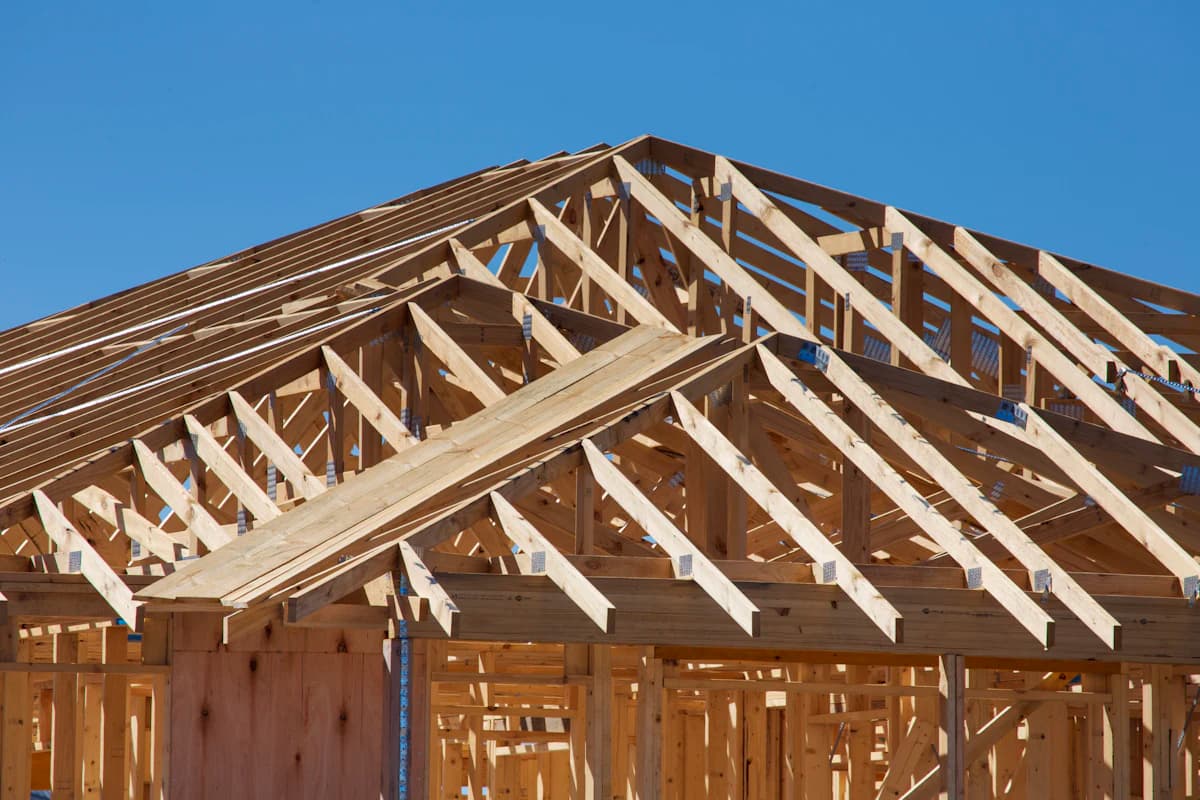
Owner-builders on a budget usually chase two things at once: cheap land and the freedom to build without a building inspector reviewing every joist. This guide combines both. It ranks the most affordable states that also have no statewide building code, or only partial and local enforcement, so you can find acreage where your dollars stretch and your owner-built cabin, barn, or off-grid system faces fewer hurdles.
Two warnings before the table. First, "no statewide code" does not mean "no rules." Counties and cities can still adopt their own codes, and septic, well, and electrical permits usually apply regardless. Second, the cheapest land is often arid western rangeland, where water, not code, is the real constraint. A cheap acre you can't water is not a bargain.
This article merges two of our deeper guides: cheapest states to buy homestead land and best states with no building codes. For the full picture that also weighs taxes and climate, see our best states for homesteading in 2026 ranking, or compare all 50 states side by side.
How we ranked these states
We started with states that have no statewide building code, or only partial or local-adoption enforcement, then sorted them by average price per acre (2026 USDA average farm real-estate values, which blend land and buildings into statewide figures). Full statewide-code states, which include most of the Southeast and Northeast, are not eligible here no matter how cheap the land.
Three labels matter in the table:
- No statewide code. There is no state-level building code. Rules, if any, come from the county or city.
- Local-adoption only. The state leaves codes entirely to local governments; many rural counties adopt none.
- Partial. A statewide code exists but its reach is limited, and rural counties are often exempt or unenforced.
In every case, the operative question is what your specific county requires. Confirm at the county level before you buy.
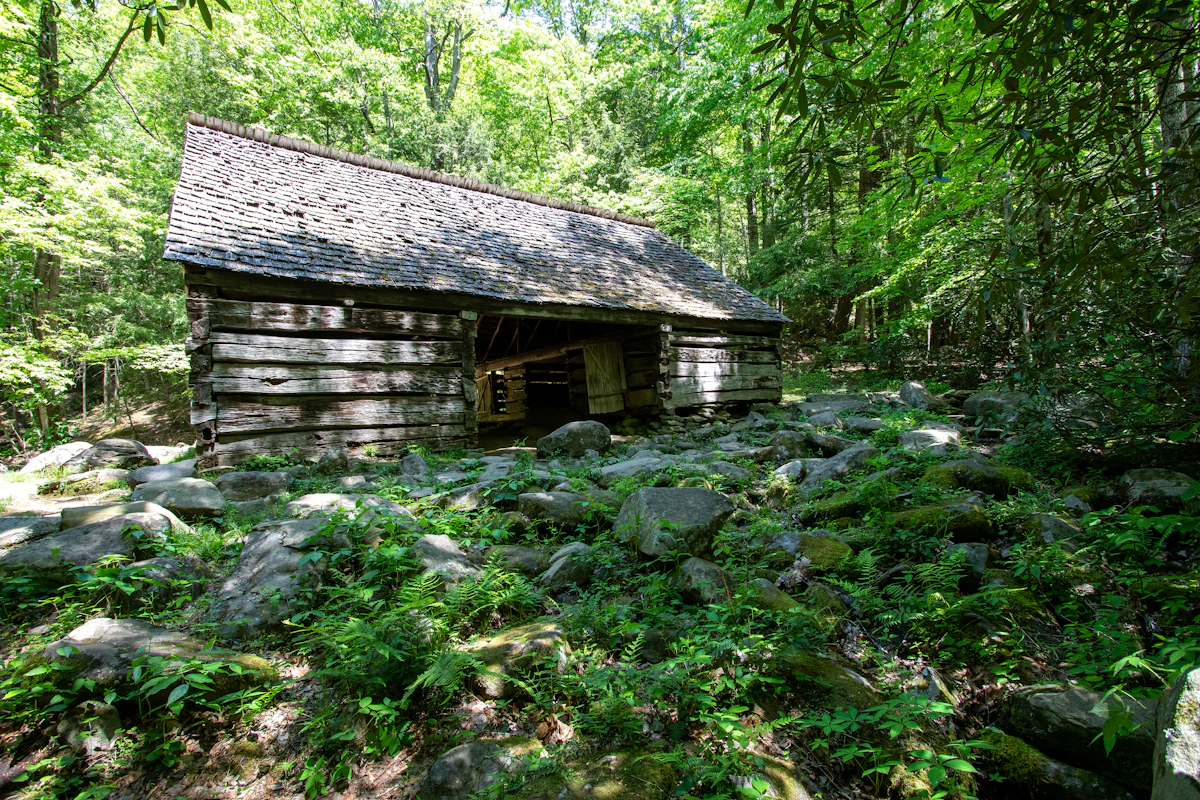
The cheapest states with no statewide building code in 2026
| Rank | State | Avg $/acre | Building code status | Note |
|---|---|---|---|---|
| 1 | Wyoming | $975 | No statewide code | Cheapest land in the US; arid (10-15" rain) |
| 2 | Montana | $1,230 | No statewide code | Large cheap acreage; 12-20" rain, cold |
| 3 | South Dakota | $1,950 | Local-adoption only | No income tax; 12-28" rain |
| 4 | Arizona | $2,200 | Local-adoption only | Rainfall 3-45"; location decides everything |
| 5 | Mississippi | $2,400 | Partial | Wet (48-56"), long season, mild winters |
| 6 | Nebraska | $2,650 | Local-adoption only | 14-32" rain; drier west, wetter east |
| 7 | Oklahoma | $2,880 | Partial | 36-56" rain, long season |
| 8 | Texas | $2,970 | No statewide code | No income tax; rural counties light-touch |
| 9 | Kansas | $2,970 | Partial | Rural counties often exempt |
| 10 | West Virginia | $3,200 | Partial | Wet (40-55"); counties opt in |
Honorable mentions just outside the top 10: Arkansas ($3,500, partial, wet at 45-55") and Missouri ($4,200, no statewide code, 40-50" rain). Idaho ($4,180, no statewide code) also belongs in the no-code club, just at a higher price. Figures reflect 2026 USDA averages and should be verified locally before you buy.
"No statewide code" is not "no rules"
This is the caveat that catches owner-builders off guard. A state having no building code at the statewide level does not free you from local regulation or from the permits that protect health and safety.
Even in the most permissive states, expect some or all of these to still apply:
- Septic and wastewater. Almost always requires a permit at the county or state-health level, with required perc tests and setbacks.
- Wells. Often need a permit, and in the West a water right as well (more on that below).
- Electrical. Many jurisdictions require licensed work or an inspection to connect to the grid.
- Zoning, setbacks, and land use. Separate from building codes and frequently enforced even where codes are not.
- County or city codes. A "no statewide code" state still lets local governments adopt their own. Counties around growing towns often do.
The practical takeaway: the state-level label tells you the ceiling on regulation, not the floor in your county. Call the county building or planning department, and the health department, about the specific parcel before you commit. Our best states with no building codes guide goes deeper on how this varies within each state.

The arid trap: cheap land, expensive water
Look at the top of the ranking. Wyoming, Montana, South Dakota, Arizona, and Nebraska are among the cheapest, and they share a problem: low and variable rainfall. Wyoming gets just 10-15 inches a year, Montana 12-20, South Dakota 12-28, Nebraska 14-32, and Arizona swings wildly from 3 to 45 depending on elevation. Colorado, another no-statewide-code-by-local-adoption state at $2,850, ranges from 10 to 60 inches by elevation with strict well rules.
That low price reflects low productivity, not a hidden deal. On 12 inches of rain, a garden, pasture, or orchard survives only with irrigation, which means you need a water right, a producing well, or surface access. In the arid West, owning the land does not automatically mean owning the water on or under it. Before you buy cheap western acreage, confirm:
- Whether the parcel has an existing, transferable water right
- Well depth, flow rate, and whether new domestic wells are even permitted
- Whether you can legally collect rainwater or use a seasonal creek
For a fuller treatment, see our guide to water rights for homesteaders. The short version: in the West, budget for water before you budget for the dirt.
Where low rules also mean reliable rain
If you want minimal code enforcement without the water gamble, the wetter partial-code states are easier to actually live on. Several inexpensive states pair limited code reach with 45 inches or more of rain and long growing seasons:
- Mississippi ($2,400, partial, 48-56" rain)
- West Virginia ($3,200, partial, 40-55")
- Arkansas ($3,500, partial, 45-55")
- Tennessee ($4,500, partial, 50-60")
- Missouri ($4,200, no statewide code, 40-50")
These states let rainfall do the heavy lifting. You'll pay more per acre than the driest western states, and you'll trade some of that for humidity, heat, and pests, but for rain-fed gardens, pasture, and food forests the value is strong. A "partial" code with rural exemptions plus dependable rain is often a better real-world setup than no code at all on land you can't water.
Mississippi stands out: it is the cheapest of the wet states on this list, with a long season and mild winters. West Virginia and Arkansas follow, with counties that frequently opt out of code enforcement.
How to weigh price, code, and water together
No single column wins. The right pick balances all three:
- Tightest budget, accept the water work: Wyoming and Montana give you the cheapest land and no statewide code, but you're planning for irrigation and a short, cold season.
- Cheap, no income tax, no statewide code: Texas at $2,970 pairs light-touch rural counties with no state income tax, though parcels vary widely by region and water.
- Easiest to live on day one: Mississippi at $2,400 is the value sweet spot here, with a partial code, abundant rain, and a long growing season.
- Local control either way: South Dakota, Arizona, Nebraska, and Colorado leave codes to local governments, so the county is everything.
Whatever you choose, remember that price per acre is only the entry fee. Septic, well, and electrical permits, plus county code adoption, shape the real cost of building. For more on regulation generally, see whether off-grid living is legal in your state.
A note for 2026
Land prices and code adoption both shift. Several states have seen rural counties adopt codes as nearby towns grow, and statewide-code reach can change with new legislation. The 2026 figures here are statewide averages and statewide-level code status; neither replaces a call to the specific county. Verify the current code, permit, and water-rights situation for any parcel before you buy, then compare all 50 states on Homestead Finder to weigh land price against codes, rainfall, and taxes side by side.
Frequently Asked Questions
What is the cheapest state with no building code?
Wyoming has the cheapest land of any state with no statewide building code, at about $975 per acre, followed by Montana at $1,230. Both are arid, so plan for irrigation and a short growing season. "No statewide code" still leaves room for county codes and for septic, well, and electrical permits, so confirm locally.
Does "no statewide building code" mean I can build anything I want?
No. It means there is no state-level code, but counties and cities can adopt their own, and zoning, setbacks, septic, well, and electrical permits usually still apply. The state label sets the ceiling on regulation, not the floor in your county. Always check with the local building, planning, and health departments for the exact parcel.
Which cheap no-code states are easiest to actually homestead on?
The wetter partial-code states are easier to live on than the cheaper arid ones. Mississippi ($2,400), West Virginia ($3,200), and Arkansas ($3,500) all get 40 inches or more of rain a year with long seasons, so rainfall does much of the work. You pay more per acre than in Wyoming or Montana, but you avoid the western water gamble.
Why is the cheapest western land often a poor value?
Because the low price reflects low rainfall and short growing seasons, not a hidden deal. States like Wyoming (10-15"), Montana (12-20"), and Arizona (3-45") need irrigation to grow much, and in the arid West owning the land does not automatically include the water rights. Confirm well permits, flow rates, and transferable water rights before judging the price.

 Your brand here — Reach our audience of professional directory owners and boost your sales.