Cheapest States to Buy Homestead Land in 2026
Compare the 15 cheapest US states to buy homestead land in 2026 by average price per acre, USDA zone, rainfall, and water rights before you buy.
Written by Homestead Finder Editorial
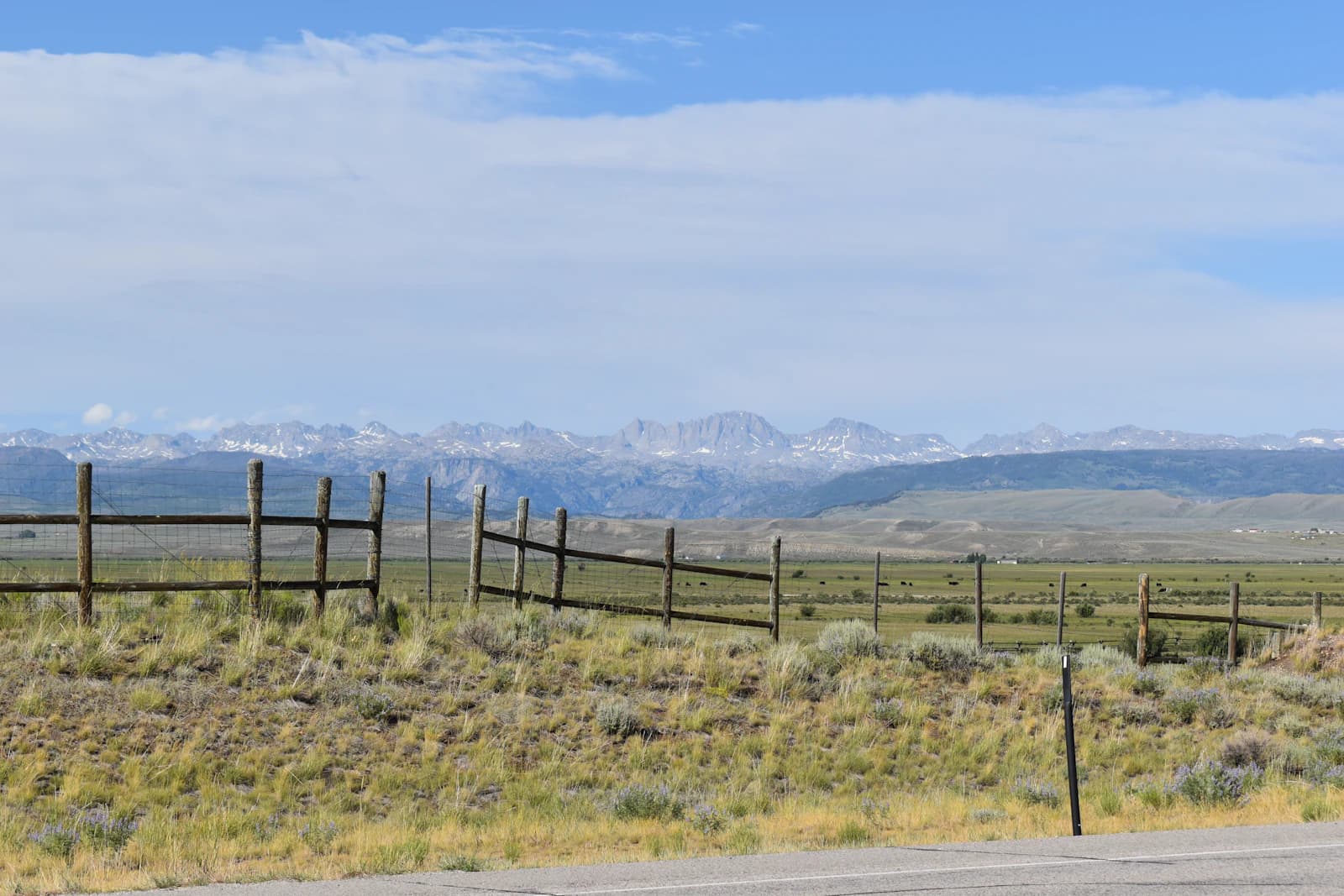
If your homestead budget is the deciding factor, land price is the first number you'll chase. But the cheapest acre on a listing is rarely the cheapest acre to actually live on. The figures below come from USDA average farm real-estate values per acre, which blend land and buildings into statewide averages. Real parcels vary enormously by county, water access, road frontage, and improvements. And in much of the West, cheap land is cheap for one reason: water.
This guide ranks the 15 most affordable states for 2026, then explains how to read those prices against rainfall, growing season, and water rights so you don't overpay for land you can't farm. To run side-by-side numbers on taxes, climate, and building codes, you can compare all 50 states on Homestead Finder.
How to read these prices
A statewide average hides a lot. A Wyoming average of $975 per acre includes both irrigated valley ground that sells for far more and dry rangeland that sells for far less. Two adjacent parcels can differ 10x based on a single well or creek.
So treat the table as a starting filter, not a quote. Three things matter as much as the sticker price:
- Rainfall. Under about 20 inches a year, you're farming with irrigation or not at all. Above 45 inches, rain does much of the work for you.
- Growing season. A short USDA zone (3a-4a) means a tight window for annual crops and a hard winter to heat through.
- Water rights. In the arid West, owning the land does not mean owning the water on or under it. Western water law often allocates surface and groundwater separately from the deed.
The 15 cheapest states to buy homestead land in 2026
| Rank | State | Avg $/acre | USDA zone | Notable consideration |
|---|---|---|---|---|
| 1 | Wyoming | $975 | 3a-5b | No income tax, top business climate; arid (10-15" rain), short season |
| 2 | Montana | $1,230 | 3a-6b | Large cheap acreage; 12-20" rain, cold winters |
| 3 | New Mexico | $1,250 | 4b-10a | Very dry (8-24"); water rights are the key constraint |
| 4 | Nevada | $1,650 | 4a-10a | Driest state (6-20"); most land needs irrigation |
| 5 | North Dakota | $1,750 | 3a-4a | Cheap cropland; very short season, harsh winters |
| 6 | Alabama | $1,850 | 7a-8b | Rainy (45-65"), long season; strong rain-fed value |
| 7 | South Dakota | $1,950 | 3a-5a | No income tax; 12-28" rain, cold winters |
| 8 | Georgia | $2,100 | 8a-9a | 45-55" rain, long growing season |
| 9 | Arizona | $2,200 | 4b-10a | Extreme rainfall range (3-45"); location is everything |
| 10 | Mississippi | $2,400 | 8a-8b | 48-56" rain, mild winters, long season |
| 11 | Nebraska | $2,650 | 4b-5b | 14-32" rain; drier west, wetter east |
| 12 | Utah | $2,800 | 4a-9a | Arid (6-24"); water rights critical |
| 13 | Alaska | $2,800 | 1a-8b | Cheap acreage but extreme climate and access costs |
| 14 | Colorado | $2,850 | 4a-7b | 10-60" rain by elevation; strict well/water rules |
| 15 | Oklahoma | $2,880 | 6b-8a | 36-56" rain, long season, moderate winters |
Figures reflect 2026 USDA average farm real-estate values and should be verified locally before you buy. Just outside the top 15, Kansas and Texas both sit at $2,970 per acre, followed by South Carolina ($3,100), West Virginia and Maine ($3,200), Arkansas ($3,500), and Idaho ($4,180).
The arid trap: why the cheapest states cost the most water
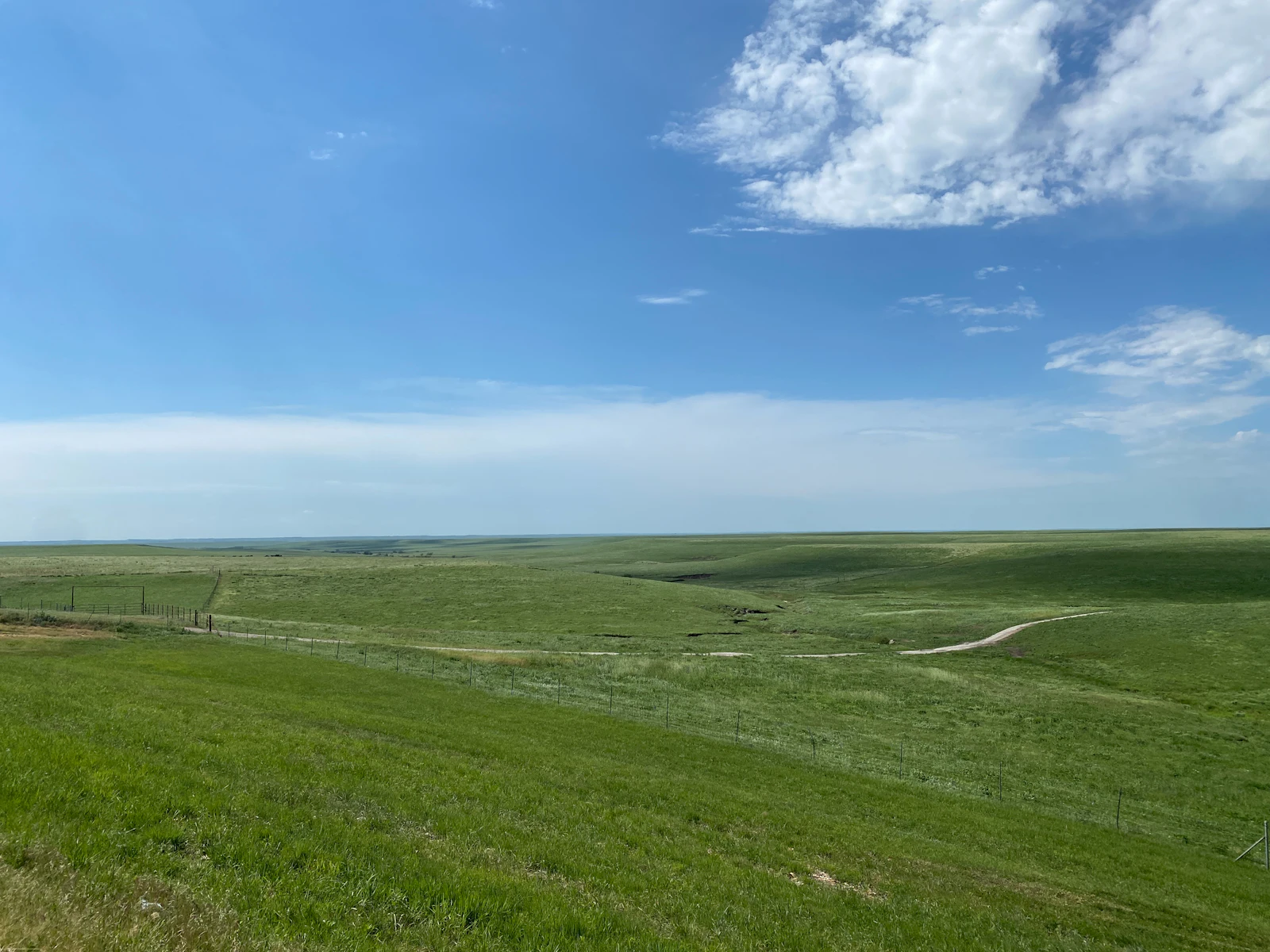
Look closely at the top of the list. Wyoming, Montana, New Mexico, Nevada, and North Dakota are the five cheapest states, and they share a problem: most receive under 20 inches of rain a year, with short growing seasons.
That low price is not a bargain so much as a reflection of low productivity. On 12 inches of annual rainfall, a garden, pasture, or orchard survives only with irrigation, which means you need a water right, a producing well, or surface access. In states like Nevada, New Mexico, Utah, and Colorado, those rights are regulated, sometimes scarce, and not automatically attached to the deed.
Before you buy western land, confirm:
- Whether the parcel has an existing, transferable water right
- Well depth, flow rate, and whether new domestic wells are even permitted
- Whether you can legally collect rainwater or dam a seasonal creek
Colorado is a classic example: its prices look mid-range, but its well-permitting and prior-appropriation water law can sharply limit what a domestic well may pump. Cheap dry land with no water is one of the most common homesteading mistakes.
Where cheap land also means reliable rain
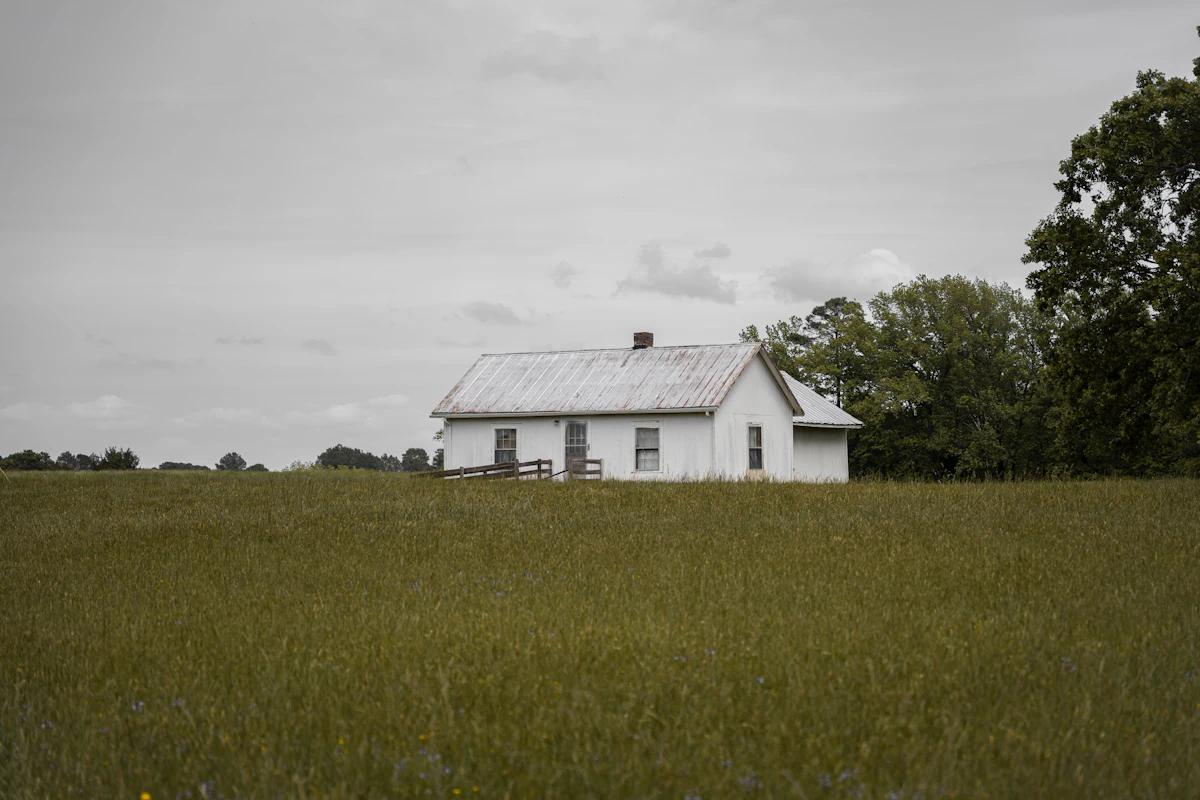
If you want affordability without the water gamble, look south and southeast. Several inexpensive states get 45 inches or more of rain a year with long growing seasons:
- Alabama ($1,850, 45-65")
- Mississippi ($2,400, 48-56")
- Georgia ($2,100, 45-55")
- Arkansas ($3,500, 45-55")
- West Virginia ($3,200, 40-55")
These states let rainfall do the heavy lifting. You'll trade some of that for humidity, heat, pests, and longer building seasons that bring their own pressures, but for rain-fed gardens, pasture, and food forests, the value is strong. Alabama in particular stands out: it pairs a low average price with abundant rain and a long season.
Don't forget taxes, codes, and the long-term cost
Price per acre is the entry fee. What you pay every year afterward depends on taxes and regulation.
Wyoming is the standout here: no state income tax and consistently the top-rated business tax climate, on top of the cheapest land in the country. Texas and South Dakota also have no state income tax, which matters if you'll earn off-farm income or run a small farm business.
Regulation is the other long-term cost. Some rural counties have minimal or no building codes, which can save thousands on an owner-built cabin or off-grid system; others enforce strict permitting. If you plan to build it yourself, weigh code-friendliness alongside price. Our guide to the best states with no building codes breaks down where owner-builders have the most freedom.
Match acreage to your goals before you fixate on price
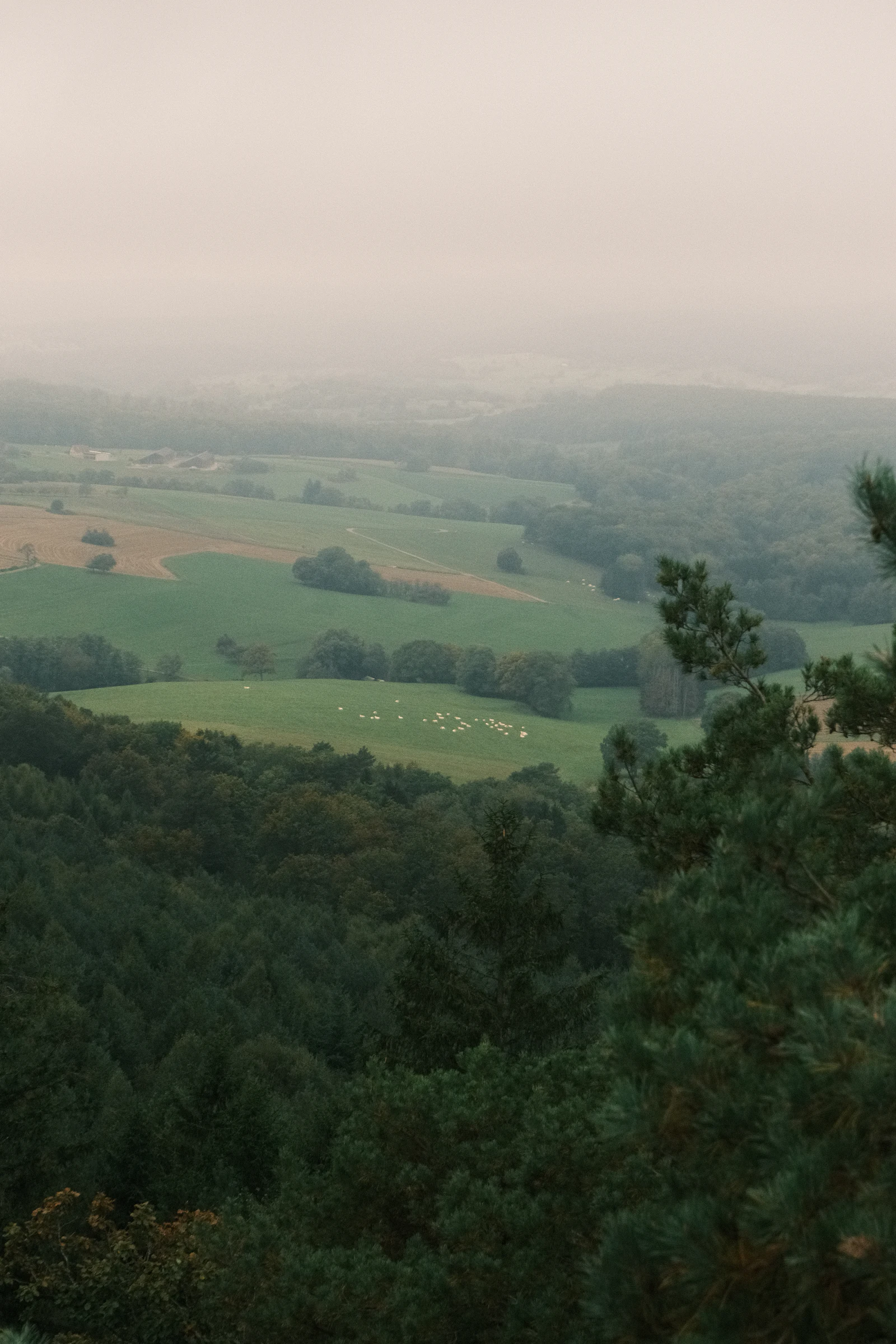
A low per-acre price tempts buyers into oversized parcels they can't manage. More acres of dry rangeland won't outproduce a few well-watered acres in a rainy state. Decide how much land your actual plan requires first; our breakdown of how much land you need to homestead walks through realistic acreage for gardens, livestock, and self-sufficiency.
For a fuller picture that weighs price against climate, water, and laws together, see our best states for homesteading in 2026 ranking, which goes beyond price alone.
Conclusion
The cheapest states to buy homestead land in 2026 are led by Wyoming, Montana, New Mexico, Nevada, and North Dakota, with averages between roughly $975 and $1,750 per acre. But the truly affordable homestead is the one where the land, the water, the climate, and the local laws all work for your plan. In the arid West, budget for water before you buy the dirt. In the rainier South, you'll pay a bit more per acre but get reliable rainfall in return.
Use these averages to narrow your search, then dig into the details county by county. Compare all 50 states on Homestead Finder to weigh land price against taxes, rainfall, growing season, water rights, and building codes side by side, and verify every figure locally before you commit.
Frequently Asked Questions
What is the cheapest state to buy homestead land in 2026?
Wyoming has the lowest average farm real-estate value at about $975 per acre, followed by Montana ($1,230) and New Mexico ($1,250). These are statewide 2026 averages; actual parcel prices vary widely by county and water access, so verify locally.
Why is cheap homestead land often a bad deal?
The cheapest land tends to be in arid western states with under 20 inches of annual rainfall and short growing seasons. Without a water right, a producing well, or surface water, that land is hard to farm. Always confirm water access before judging price.
Which affordable states have the most reliable rainfall?
Alabama, Georgia, Mississippi, Arkansas, and West Virginia all receive roughly 45 inches or more of rain per year with long growing seasons, making them strong value for rain-fed homesteading even though their per-acre prices run higher than the driest western states.
Do any cheap homestead states have no income tax?
Yes. Wyoming, South Dakota, and Texas all have no state income tax. Wyoming combines that with the cheapest land in the country and a top-rated business tax climate, which lowers your long-term cost of ownership.

 Your brand here — Reach our audience of professional directory owners and boost your sales.