Best States with No Statewide Building Codes (2026)
Compare the best US states with no statewide building code for owner-builders in 2026, and learn why you must still confirm rules at the county level.
Written by Homestead Finder Editorial
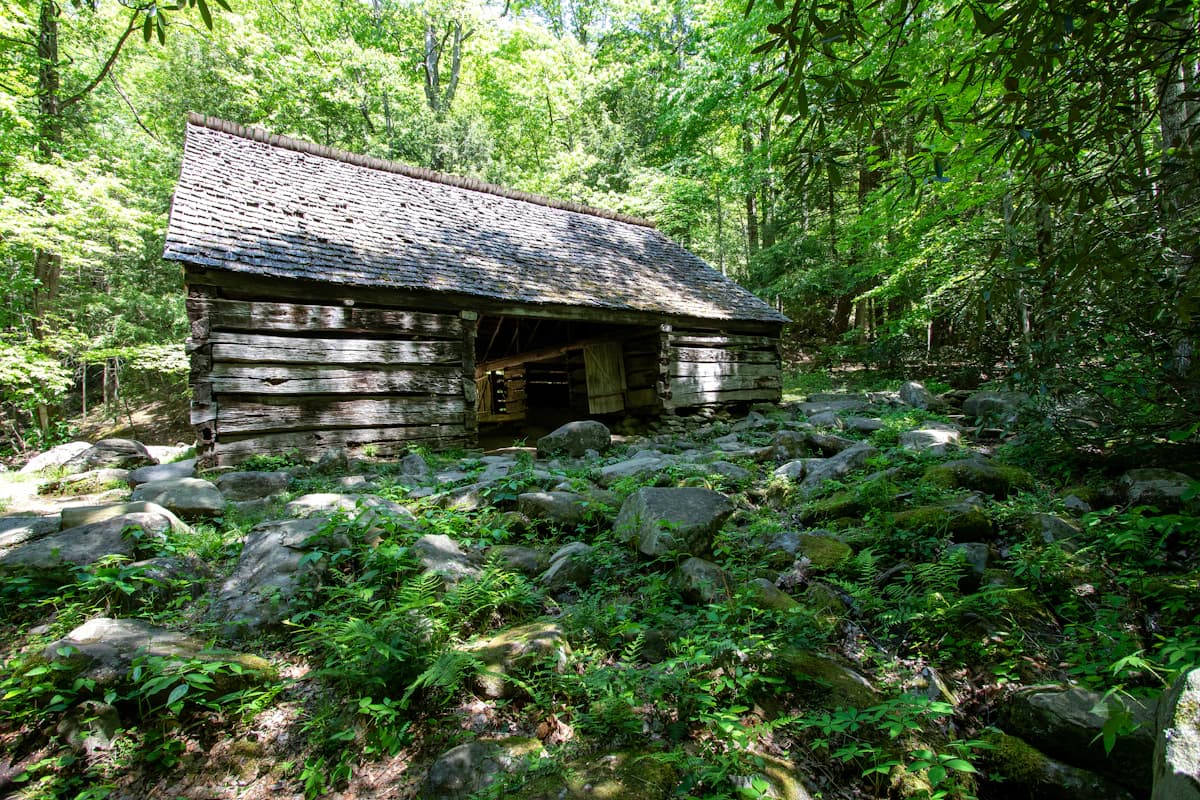
If you want to build your own cabin, tiny home, cordwood or strawbale dwelling, or off-grid house without fighting a thick stack of permits, the building-code landscape matters as much as land price. A handful of states never adopted a statewide building code, which leaves the decision to counties and cities. In rural counties, many of them adopt little or nothing, and that is where owner-builders find real freedom.
But there is a critical catch worth stating up front, because it trips up a lot of people: "no statewide building code" does not mean "no rules anywhere." Keep reading before you buy.
What "No Statewide Building Code" Actually Means
A statewide building code is a single set of construction standards adopted by the state and enforced everywhere within its borders. When a state has no statewide code, it has simply chosen not to mandate one from the top down. Authority then flows to local governments.
That distinction is the whole point, and it cuts both ways:
- Counties and cities can still adopt their own codes. A rural county might enforce nothing, while a growing county next door enforces the full International Residential Code (IRC) with inspections.
- Zoning still applies in many places. Minimum dwelling sizes, setbacks, and what counts as a permitted use can block a tiny home or a yurt even where no building code exists.
- Septic and health permits almost always apply. Wastewater is usually regulated at the state or county health-department level regardless of building code, and a failed perc test can stop a build cold.
- Electrical permits often still apply. Many states license electricians and require electrical permits and inspections even when structural inspections are optional.
So the advantage of a state with no statewide code is not that rules vanish. It is that you get to shop for a county that has chosen to regulate lightly. That freedom is real, and it is exactly what we track per state and per county on Homestead Finder. Always confirm at the county level before you buy a single acre.
Building-Code Status by State (2026)
Here is how the states break down. This reflects 2026; verify current rules at the county level before relying on any of it.
| Code status | States | What it means for owner-builders |
|---|---|---|
| No statewide code (best) | Texas, Missouri, Wyoming, Idaho, Montana | No state mandate. Many rural counties adopt little or nothing. Best odds of light-touch building. |
| No statewide code, local adoption / energy-code only | Arizona, Colorado, Nebraska, South Dakota | No general building mandate, though an energy code or local adoption may apply. Rural freedom is common. |
| Partial statewide application | Arkansas, Indiana, Iowa, Kansas, Kentucky, Louisiana, Maine, Mississippi, Oklahoma, Tennessee, West Virginia | Limited statewide reach. Rural counties are often exempt, but you must confirm locally. |
| Yes (statewide) | California, Florida, Oregon, Washington, New York, New Jersey, and much of the Northeast and Upper Midwest | Full code enforced statewide. Owner-builders face the most permitting. |
The Five Best States for Owner-Builders
These five have no statewide building code at all, which gives rural counties the most room to opt out of enforcement.
- Texas — No statewide building code, no state income tax, an unlimited homestead exemption, and one of the largest rural land inventories in the country. Outside city limits and extraterritorial jurisdictions, many counties have very limited authority over residential construction. Texas is hard to beat on combined freedom and selection.
- Wyoming — No statewide code, no state income tax, and consistently rated the #1 business tax climate. Rural counties are often very hands-off. The tradeoff is climate: much of Wyoming is high, dry, and short-season, so water access and winter readiness deserve hard scrutiny.
- Idaho — No statewide building code paired with essentially zero homeschool regulation, which matters to many homesteading families. Plenty of rural counties keep enforcement light. Water rights and steeper terrain are the things to study.
- Montana — No statewide code and no state sales tax. Rural counties frequently enforce little. The catch is the short growing season and cold winters, which raise the bar on insulation and build quality even where no one is inspecting.
- Missouri — No statewide building code and near-zero homeschool regulation, with a generally milder, wetter climate than the Mountain West. That combination of build freedom and reliable rainfall makes Missouri a quiet standout for self-sufficiency.
Strong Runners-Up
States with no general statewide mandate but some local adoption or an energy code:
- Arizona — No statewide building code; counties vary widely. Rural Arizona offers genuine off-grid freedom, but water is the defining constraint in much of the state.
- Colorado — No statewide code, though local adoption is common near the Front Range. Remote western and eastern counties can be far more permissive.
- Nebraska and South Dakota — No statewide mandate, with many sparsely populated counties enforcing little. As with the Dakotas and the Plains generally, balance freedom against arid stretches and short seasons.
The "Partial" States Worth a Look
These states apply a code in a limited way, and rural counties are frequently exempt. They can be excellent if you target the right county:
Arkansas, Indiana, Iowa, Kansas, Kentucky, Louisiana, Maine, Mississippi, Oklahoma, Tennessee, and West Virginia.
Tennessee and West Virginia in particular are popular with off-grid builders because rural counties often skip residential inspections entirely, while still offering more rainfall and milder winters than the Mountain West.
Build Freedom Is Only Half the Equation
It is easy to fixate on permitting and forget that you still have to live on the land. Several of the freest states for building are also among the most challenging to homestead:
- Water. Wyoming, Montana, Idaho, South Dakota, and much of Arizona are arid or have complex water-rights systems. A cheap, code-free parcel with no reliable water is not a bargain.
- Climate and season length. Short growing seasons in the Mountain West and Plains limit what you can produce and raise your construction standards, code or no code.
- Access and services. Remote, lightly regulated counties often mean long drives, limited utilities, and snow-closed roads.
The sweet spot is a county that combines light building rules with dependable water and a workable climate. Missouri and the wetter parts of the partial states often land there. For a fuller ranking that weighs all of these factors together, see our guide to the best states for homesteading in 2026.
How to Confirm Before You Buy
Do not rely on a state-level reputation. Before you put money down:
- Identify the specific county and, if applicable, the municipality. Rules change at city limits and within extraterritorial jurisdictions.
- Call the county building or planning department and ask, in plain terms, whether residential building permits and inspections are required for your structure type.
- Ask about zoning and minimum dwelling size separately, since these can restrict tiny homes, yurts, and alternative builds even where no building code applies.
- Confirm septic/wastewater and well rules with the county or state health department, and ask whether a perc test is required.
- Ask about electrical permits even if structural inspections are optional.
If your goal is full off-grid living, also check our state-by-state breakdown of whether off-grid living is legal by state, since occupancy, water catchment, and septic rules vary independently of building codes.
Conclusion
States with no statewide building code give owner-builders something valuable: the chance to choose a county that regulates lightly and build the way you want. Texas, Missouri, Wyoming, Idaho, and Montana lead the pack, with strong runners-up in Arizona, Colorado, Nebraska, and South Dakota, plus a long list of partial states where rural counties often opt out. Just remember that no statewide code never means no rules, and that build freedom is worth little without water and a livable climate.
Use Homestead Finder to compare all 50 states side by side at homesteadfinder.app/states, then drill into the specific counties that fit your build and your budget. If price is also driving your search, pair this with our list of the cheapest states to buy homestead land.
Frequently Asked Questions
Which states have no statewide building code in 2026?
Texas, Missouri, Wyoming, Idaho, and Montana have no statewide building code at all. Arizona, Colorado, Nebraska, and South Dakota have no general statewide mandate but may apply an energy code or allow local adoption. This reflects 2026; always verify current rules at the county level.
Does "no statewide building code" mean I can build anything without a permit?
No. Counties and cities can adopt their own codes, and zoning, septic and health permits, and electrical permits frequently still apply even where there is no statewide code. The real advantage is that many rural counties choose to enforce little, so you can shop for a permissive county. Confirm with the local building, planning, and health departments before you buy.
What is the best state to build an off-grid cabin without permits?
There is no single answer, because it depends on the county. Texas offers the best mix of build freedom and land selection, while Missouri pairs light rules with reliable rainfall. If water is your main concern, the wetter partial states like Tennessee and West Virginia are often easier than the arid Mountain West.
Do I still need a septic or well permit in a no-code state?
Usually yes. Wastewater and well rules are typically handled by state or county health departments and apply regardless of building code. A required perc test that fails can stop a build, so confirm septic and water rules early in your due diligence.

 Your brand here — Reach our audience of professional directory owners and boost your sales.