Best States for Raising Livestock & Cattle (2026)
Compare the best US states for raising cattle, sheep, and goats on a homestead. Land prices, rainfall, grazing season, and stocking rate explained.
Written by Homestead Finder Editorial

Choosing where to raise livestock is mostly a question of how much pasture an acre can grow. A homestead in a wet, temperate state can carry more animals on fewer acres than a dry-country spread that runs cattle across hundreds of acres of sparse range. This guide ranks states for raising grazing livestock — cattle first, with sheep and goats close behind — by balancing affordable land, productive rainfall-fed pasture, a long grazing season, reliable water, and an established farm culture.
If you want the broader picture, start with our 50-state comparison and our best states for homesteading in 2026 guide.
How We Rank Livestock States
For a working homestead, the goal is the best combination of factors that lets you run animals without buying feed for half the year. We weighed five things:
- Land price per acre. You need enough acreage to graze, so cost per acre matters more here than for a garden homestead.
- Rainfall. Rain grows grass. More consistent moisture means more forage per acre.
- Grazing season length. A longer season means fewer months of buying or storing hay — our hay & winter feed calculator estimates how much you'll need.
- Water access. Stock need reliable water. Riparian rights (tied to land bordering a stream) tend to be simpler for homesteaders than prior-appropriation systems common in the West.
- Farm culture and infrastructure. Established cattle country means nearby auctions, vets, processors, and neighbors who know the trade.
Understanding Stocking Rate
Stocking rate is the single most important concept for livestock land, and it is where the wet East and the arid West split sharply.
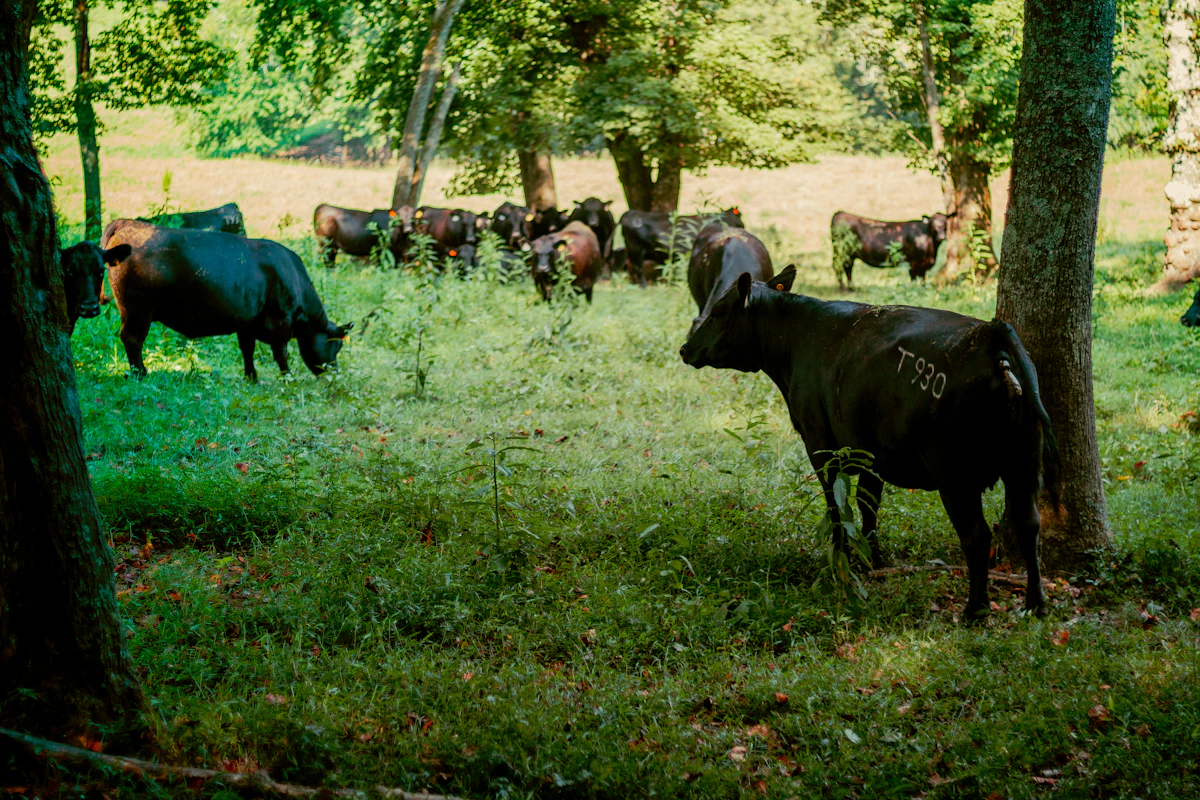
Stocking rate is how many animals a given amount of land can support without overgrazing, usually measured in acres per animal unit (roughly one cow with a calf). In a wet, productive state, pasture might carry a cow-calf pair on just 2 to 4 acres. In the arid West, the same pair might need 20, 40, or even more acres because the forage is sparse and slow to regrow.
That difference drives everything. Cheap land in dry country is not the bargain it looks like once you account for how many acres each animal requires. A $1,000-per-acre ranch that needs 30 acres per cow can cost more per animal than $4,000-per-acre pasture that carries a cow on 3 acres. The "best" homestead livestock states are the ones where rainfall-fed pasture keeps your acres-per-animal low, so a manageable parcel can actually feed a herd.
The Best States for Raising Livestock in 2026
These rankings favor states that combine affordable land, productive rainfall-fed pasture, and a real cattle culture — the sweet spot for a homesteader who wants to graze animals rather than feed them out of a barn.
| Rank | State | Avg $/acre | Rainfall | Notable |
|---|---|---|---|---|
| 1 | Missouri | $4,200 | 40-50" | ~95,000 farms, central location, riparian water |
| 2 | Tennessee | $4,500 | 50-60" | Long 200-230 day grazing season, riparian |
| 3 | Kentucky | $4,800 | 45-50" | Bluegrass cattle country, ~75,000 farms |
| 4 | Oklahoma | $2,880 | 36-56" | Strong ranching culture, affordable acreage |
| 5 | Texas | $2,970 | 20-55" | Most cattle in the US, ~248,000 farms |
| 6 | Alabama | $1,850 | 45-65" | Cheap, wet pasture; long grazing season |
| 7 | Arkansas | $3,500 | 45-55" | Solid rainfall, riparian water |
| 8 | Virginia | $6,200 | 36-50" | Valley cattle country, riparian |
1. Missouri
Missouri is hard to beat for a livestock homestead. At about $4,200 per acre with 40 to 50 inches of annual rainfall and a 170 to 200 day grazing season, it grows productive pasture without the premium prices of the bluegrass region. With roughly 95,000 farms and a central location near markets in every direction, the infrastructure is deep, and riparian water rights keep stock water straightforward. See the Missouri homesteading guide and the Missouri state page.
2. Tennessee
Tennessee pairs a long 200 to 230 day grazing season with 50 to 60 inches of rain, so pasture grows for most of the year and you store less hay. Land runs about $4,500 per acre across roughly 67,000 farms. Riparian water and a strong cattle tradition round out a state that suits cow-calf operations and small ruminants alike. See the Tennessee homesteading guide and the Tennessee state page.
3. Kentucky
Kentucky is classic cattle country. The bluegrass region is built on limestone soils that grow dense, mineral-rich forage, and the state's roughly 75,000 farms reflect a deep livestock culture. At about $4,800 per acre it is the priciest of our top three, but 45 to 50 inches of rain, a 180 to 210 day grazing season, and riparian water make it premium pasture. See the Kentucky homesteading guide and the Kentucky state page.
4. Oklahoma
Oklahoma sits where the wet East meets the drier plains, and that shows in its 36 to 56 inch rainfall range. Land is affordable at about $2,880 per acre, the grazing season runs a long 190 to 230 days, and roughly 78,000 farms back a serious ranching culture. Its hybrid water system blends riparian and prior-appropriation rules, so check local specifics. See the Oklahoma homesteading guide and the Oklahoma state page.
5. Texas
Texas runs more cattle than any other state, with roughly 248,000 farms and unmatched market infrastructure. Land averages about $2,970 per acre, but Texas is really many states in one: the wet east gets up to 55 inches of rain and grows good pasture, while the dry west drops to around 20 inches and needs far more acres per animal. The grazing season is long, 240 to 300 days. Texas uses prior appropriation for water, so secure water rights carefully. See the Texas homesteading guide and the Texas state page.
6. Alabama
Alabama offers the cheapest wet pasture on this list, about $1,850 per acre with 45 to 65 inches of rain and a long 220 to 260 day grazing season. With roughly 42,000 farms and riparian water, it is a strong value play for a grazing homestead where summer heat and humidity are manageable trade-offs. See the Alabama homesteading guide and the Alabama state page.
7. Arkansas
Arkansas brings 45 to 55 inches of rain, a 190 to 230 day grazing season, and riparian water at about $3,500 per acre. With roughly 42,000 farms and a settled cattle and poultry culture, it is a dependable, mid-priced option for raising livestock. See the Arkansas homesteading guide and the Arkansas state page.
8. Virginia
Virginia's valleys are long-established cattle country. Land is the most expensive on this list at about $6,200 per acre, but 36 to 50 inches of rain, a 170 to 210 day grazing season, riparian water, and proximity to East Coast markets justify the premium for some buyers. With roughly 32,500 farms, the supporting trade is well developed. See the Virginia homesteading guide and the Virginia state page.
Honorable Mentions: The Arid-West Ranching States
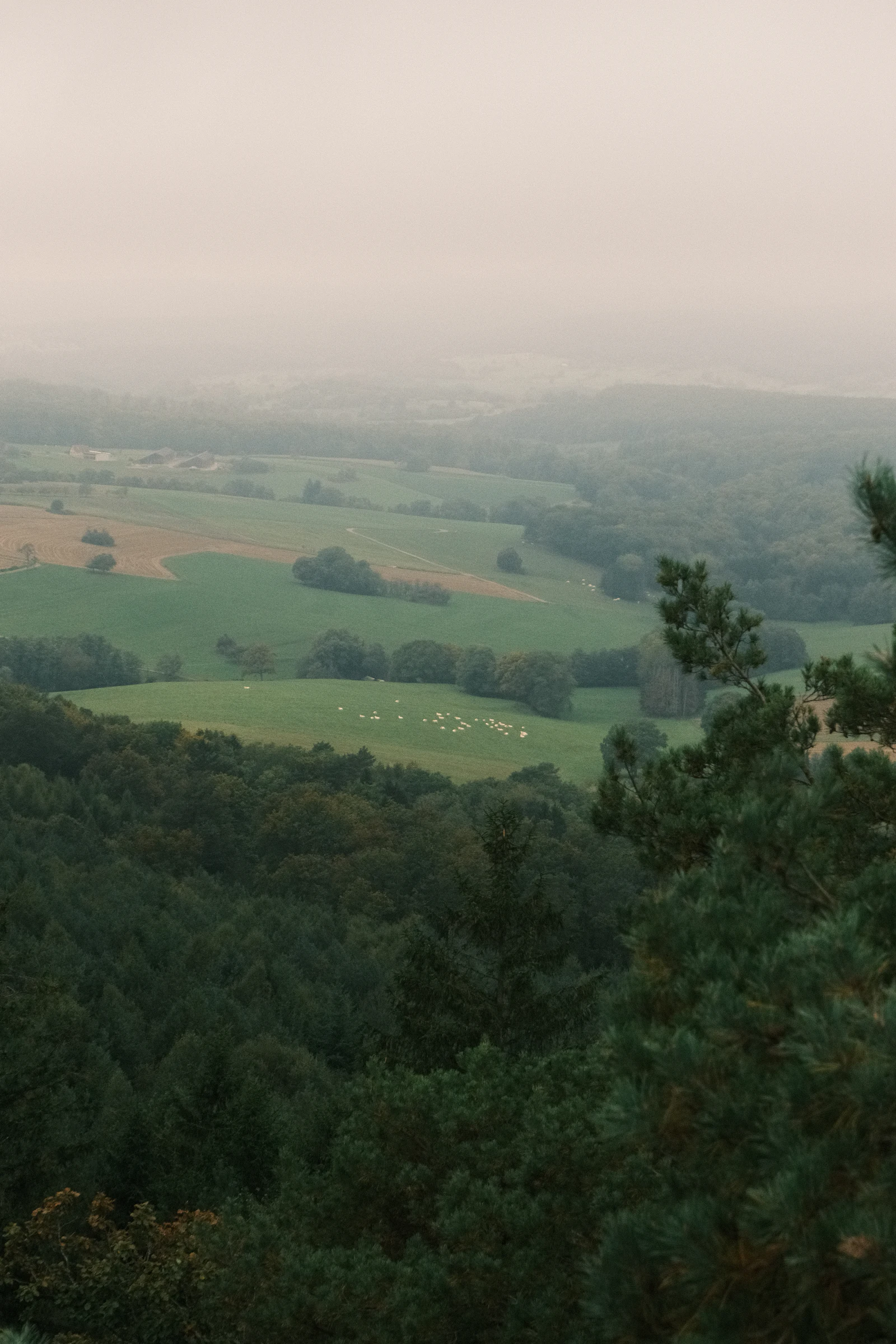
No livestock discussion is complete without the iconic ranching states of the arid West. Montana, Wyoming, South Dakota, Nebraska, and Kansas are premier cattle country with deep ranching culture, and their land prices look remarkably low. The catch is stocking rate: these are dry states, so each animal needs far more acreage than on rainfall-fed eastern pasture.
| State | Avg $/acre | Rainfall | Notable |
|---|---|---|---|
| Montana | $1,230 | 12-20" | Big-sky ranching; very low stocking rate |
| Wyoming | $975 | 10-15" | Cheapest land, but many acres per animal |
| South Dakota | $1,950 | 12-28" | Mixed grass prairie ranching |
| Nebraska | $2,650 | 14-32" | Sandhills grazing country |
| Kansas | $2,970 | 16-42" | Flint Hills tallgrass grazing |
The low per-acre prices, Wyoming at about $975 and Montana at about $1,230, are tempting, but remember the math from earlier. When forage is sparse, you may need 20 to 40-plus acres per cow, so the cost per animal can rival or exceed the wetter states. These are excellent choices if you have the capital for a large spread and want a genuine ranching operation, but a harder fit for a small homestead grazing a modest herd on a manageable parcel. Kansas and Nebraska sit at the wetter edge of this group, with the Flint Hills and Sandhills offering some of the best native grazing in the region.
If land price is your main constraint, compare these against our roundup of the cheapest states to buy homestead land, and read up on water rights for homesteaders before committing, especially in prior-appropriation states.
Matching Livestock to Land
The right state also depends on what you plan to raise:
- Cattle. Want low acres-per-animal and steady forage. The wet, temperate states in our top eight are the easiest places to run a cow-calf herd without heavy feeding.
- Sheep and goats. More forgiving of rougher, drier, brushy, or hilly ground than cattle. They still benefit from a long grazing season and reliable water.
- Mixed grazing. Cattle paired with sheep or goats improve pasture use, since they prefer different plants. Productive, well-watered states give you the most flexibility to mix species. For poultry, see our separate guide to the best states for raising chickens.
A Note for 2026
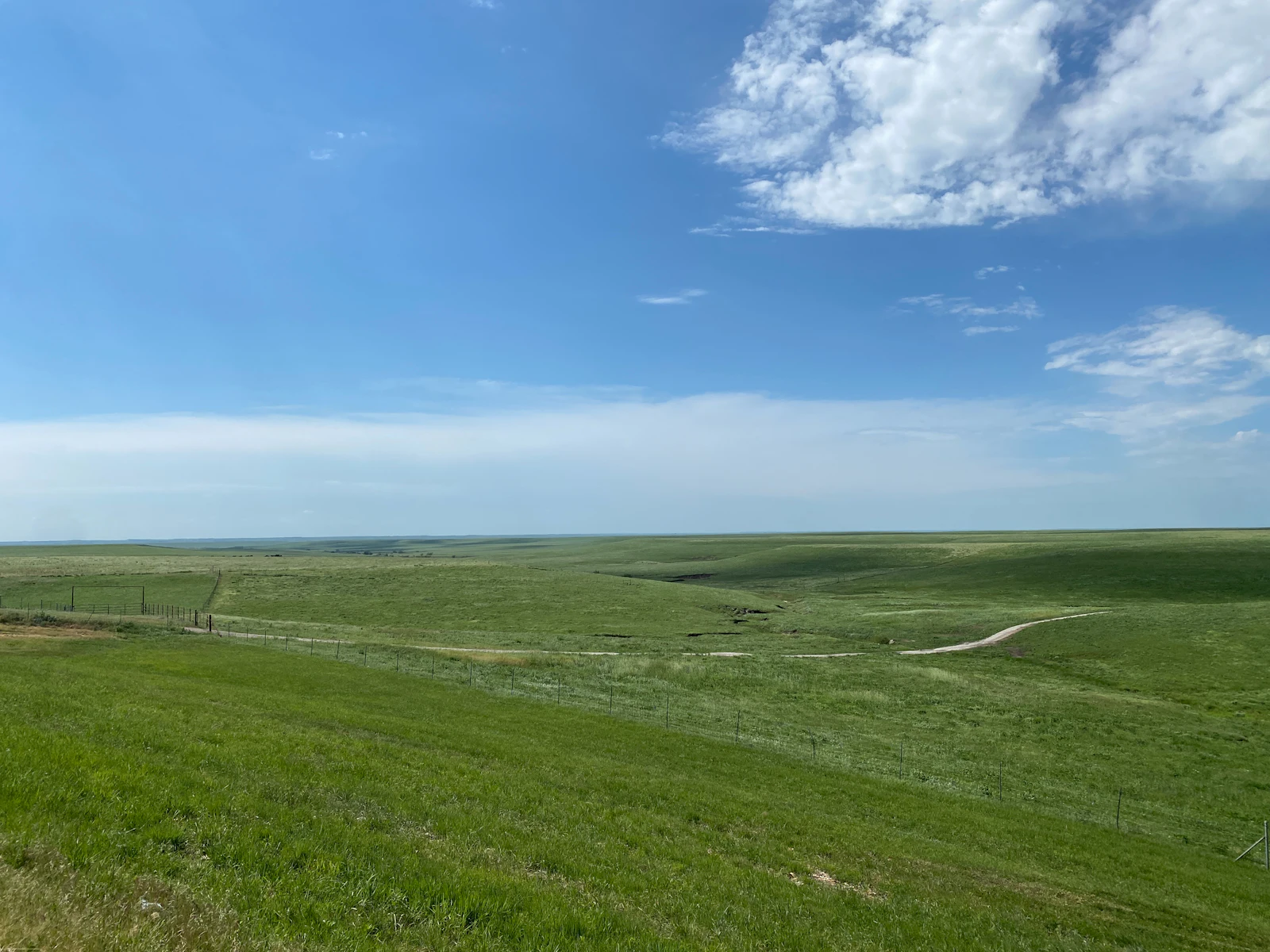
Land prices, rainfall averages, grazing-season length, and water rules shift over time and vary widely within a single state, sometimes from one county to the next. The figures here are general 2026 reference points, not guarantees. Always verify local conditions before you buy: confirm current parcel prices, ask about historical drought and forage, and check the specific water rights tied to the property. In prior-appropriation states like Texas and hybrid states like Oklahoma, water rights deserve special attention. Talk to your local extension office and neighboring producers — they know the real stocking rates for your area better than any statewide average.
Frequently Asked Questions
What is the best state for raising cattle on a homestead?
For a homestead focused on grazing rather than feeding, Missouri ranks first in this guide. It balances affordable land at about $4,200 per acre, productive rainfall of 40 to 50 inches, a solid grazing season, riparian water, and a deep farm culture with roughly 95,000 farms. Tennessee and Kentucky follow closely.
Why is cheap western land not always the best deal for livestock?
Because of stocking rate. Arid states like Wyoming and Montana have very low per-acre prices, but their sparse forage means each animal needs many more acres. A cow that grazes on 3 acres of wet eastern pasture might need 30 or more acres of dry western range, so the cost per animal can end up higher despite the cheaper land.
How many acres do I need per cow?
It depends entirely on rainfall and forage. In productive, well-watered states a cow-calf pair may need roughly 2 to 4 acres, while in the arid West the same pair can require 20 to 40-plus acres. Always confirm the realistic stocking rate for the specific parcel and county, since it varies even within a state.
Are sheep and goats easier to raise than cattle?
In many cases, yes. Sheep and goats handle rougher, drier, and hillier ground better than cattle and can graze brush and weeds that cattle avoid. They still need reliable water and benefit from a long grazing season, but they often let you make productive use of land that would be marginal for a cow herd.
Ready to compare your options? Explore the full 50-state homesteading comparison to weigh land prices, rainfall, and water rights side by side.

 Your brand here — Reach our audience of professional directory owners and boost your sales.