Best States for Off-Grid Solar (2026)
Compare all 50 states for off-grid solar by peak sun hours, off-grid legality, and building codes. Find the sunniest, most homestead-friendly states.
Written by Homestead Finder Editorial
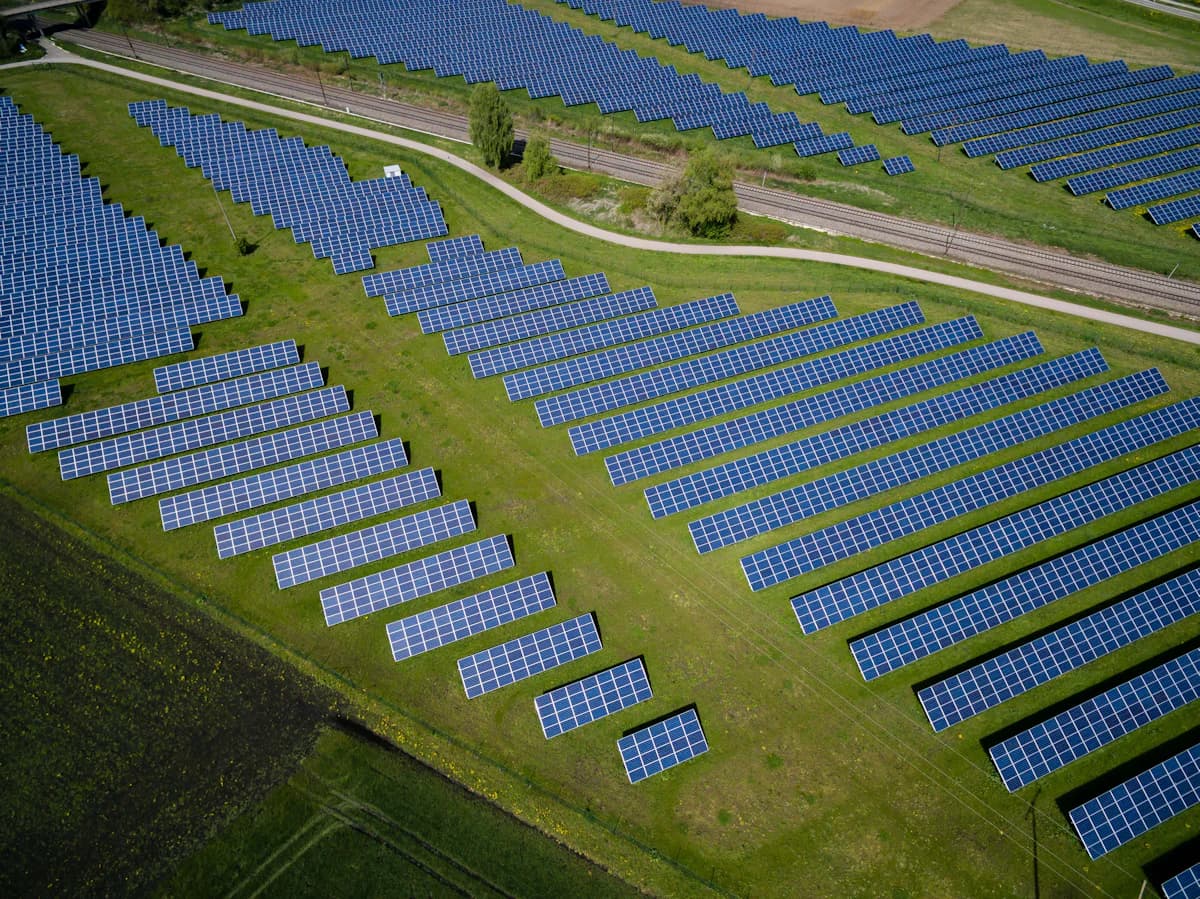
If you're planning a true off-grid solar setup with battery storage and no grid connection, the math is simpler than most articles make it sound. The biggest lever isn't tax credits or net metering rates. It's the sun itself: how many hours of strong sunlight your panels get each day, and whether the state lets you live off-grid without fighting permits and inspectors at every turn.
This guide ranks states by solar resource, then layers in off-grid legality and building-code burden so you can see where a battery-based system is easiest to build and run. Figures reflect 2026, and rules and incentives change, so always verify current local requirements before you buy land or order equipment.
What "Peak Sun Hours" Actually Means
Peak sun hours measure the average number of hours per day that sunlight hits full strength (roughly 1,000 watts per square meter). A location with 5.5 peak sun hours doesn't get only 5.5 hours of daylight. It gets a full day of light, but the total usable energy adds up to about 5.5 hours of peak-strength output.
This number is what you use to size a system. A 1,000-watt array in a 6-peak-sun-hour state produces roughly 6,000 watt-hours (6 kWh) on an average day. Move that same array to a 4-peak-sun-hour state and it makes about 4,000 watt-hours. To get the same daily energy in the cloudier state, you'd need a panel array about 50% larger, plus more battery capacity to ride out gray stretches. Our off-grid solar calculator does this sizing for you, prefilled with each state's peak sun hours.
For off-grid living, more peak sun hours means:
- Fewer panels for the same output
- Smaller, cheaper battery banks
- Less reliance on a backup generator in winter
That's why sunny, dry states with high altitude and clear skies consistently top the list.
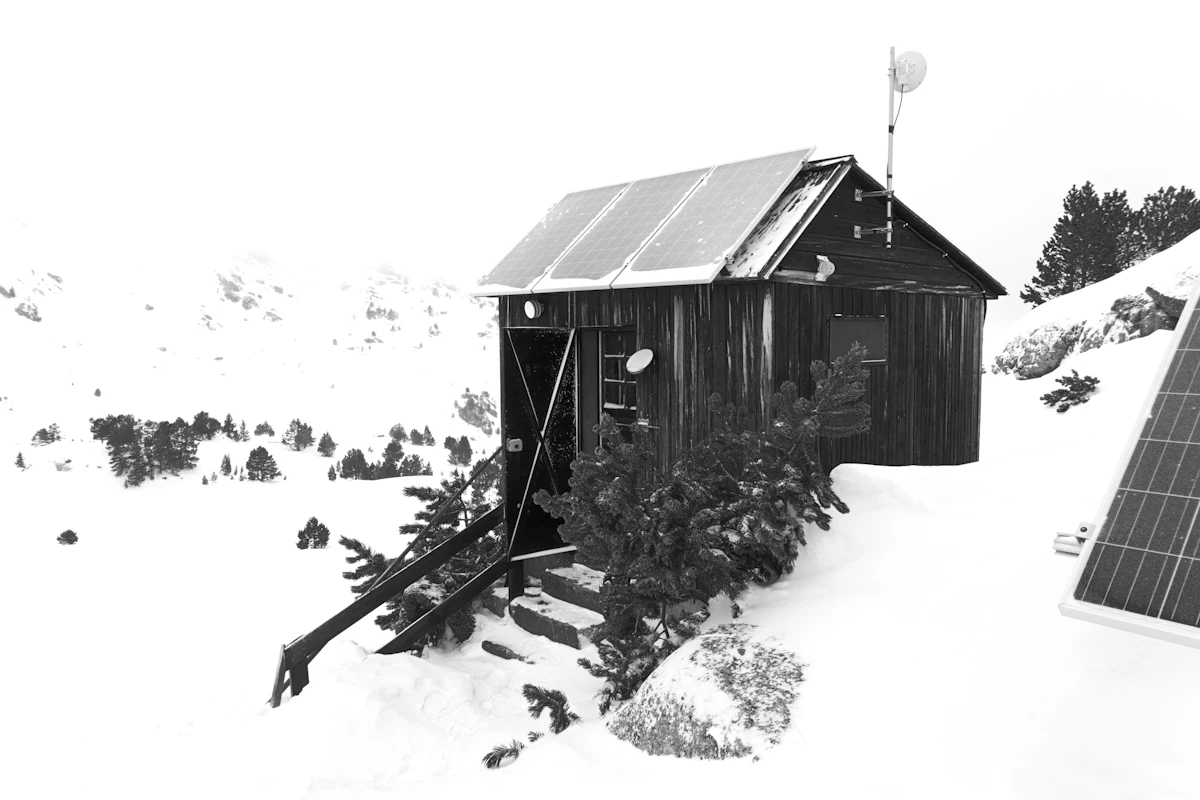
Why Net Metering Is Secondary for Off-Grid
Net metering lets you push extra solar power back to the utility and get credited for it. It matters a lot for grid-tied systems, where selling excess production is how you shorten your payback period. For a true off-grid system with no utility connection, net metering simply doesn't apply. You store your own power and use it.
Where net metering does come back into play is hybrid setups, where you keep a grid connection as backup but still run mostly on solar and batteries. In those cases, a strong net-metering program improves your economics. Worth noting: net metering is available in nearly every state except Texas and Tennessee, which have no statewide program. That's a non-issue for pure off-grid living, but it does limit grid-tied payback in those two states.
For a deeper look at the legal side of unplugging entirely, see our guide on whether off-grid living is legal by state.
The Ranking: Solar Resource Across All 50 States
The table below lists average peak sun hours per day (higher is better), whether off-grid living is broadly practical, and a note on each. Off-grid legality is rarely a flat statewide yes or no. It usually comes down to county and local code, so treat the "off-grid friendly?" column as a general signal, not a guarantee.
| State | Avg peak sun hours/day | Off-grid friendly? | Note |
|---|---|---|---|
| Arizona | 6.8 | Yes | Excellent incentives; one of the best solar states |
| Wyoming | 6.06 | Yes | Among the highest solar potential in the country; clear skies + altitude; no statewide building code |
| Nevada | 5.9 | Yes | Excellent incentives |
| New Mexico | 5.9 | Yes | Excellent; solar property-tax exemption |
| Hawaii | 5.5 | Restricted | Excellent ROI but off-grid heavily restricted |
| Utah | 5.5 | Yes | Strong solar resource |
| California | 5.5 | Limited | Excellent incentives but strict building codes |
| Colorado | 5.3 | Yes | Strong solar resource |
| Texas | 5.25 | Yes | 230+ sunny days; solar sales-tax exemption; NO statewide net metering; no statewide code |
| Kansas | 5.0 | Varies | Solid central-plains sun |
| Oklahoma | 5.0 | Yes | Solid central-plains sun |
| Montana | 4.93 | Yes | High altitude helps; no statewide code |
| Idaho | 4.92 | Yes | 50% property-tax exemption for solar |
| Florida | 4.8 | Varies | Strong sun, stricter coastal codes |
| Louisiana | 4.7 | Varies | Humid, decent sun |
| Arkansas | 4.65 | Varies | Moderate solar resource |
| Mississippi | 4.5 | Varies | Moderate solar resource |
| Missouri | 4.5 | Varies | Moderate solar resource |
| Tennessee | 4.45 | Varies | NO statewide net metering (TVA) |
| Georgia | 4.4 | Varies | Moderate solar resource |
| North Carolina | 4.4 | Varies | Moderate solar resource |
| Oregon | 4.4 | Varies | Cloudier west, sunnier east |
| Maryland | 4.3 | Varies | Below-average sun |
| Iowa | 4.3 | Varies | Below-average sun |
| Minnesota | 4.2 | Varies | Cold, shorter winter days |
| Nebraska | 4.2 | Varies | Below-average sun |
| Illinois | 4.2 | Varies | Below-average sun |
| Delaware | 4.2 | Varies | Below-average sun |
| Indiana | 4.15 | Varies | Below-average sun |
| New Jersey | 4.1 | Varies | Below-average sun |
| Virginia | 4.1 | Varies | Below-average sun |
| South Dakota | 4.1 | Varies | Cold-climate sizing needed |
| Massachusetts | 4.05 | Varies | Below-average sun |
| Ohio | 4.0 | Varies | Below-average sun |
| North Dakota | 4.0 | Varies | Cold-climate sizing needed |
| Connecticut | 4.0 | Varies | Below-average sun |
| New York | 3.9 | Varies | Low sun; oversize the array |
| Michigan | 3.9 | Varies | Low sun; oversize the array |
| Rhode Island | 3.9 | Varies | Low sun; oversize the array |
| Wisconsin | 3.9 | Varies | Low sun; oversize the array |
| West Virginia | 3.85 | Varies | Low sun; oversize the array |
| Pennsylvania | 3.8 | Varies | Low sun; oversize the array |
| New Hampshire | 3.8 | Varies | Low sun; oversize the array |
| Washington | 3.8 | Varies | Cloudy west side; sunnier east |
| Vermont | 3.7 | Varies | Low sun; oversize the array |
| Alaska | 3.2 | Yes | Extreme seasonal variation |
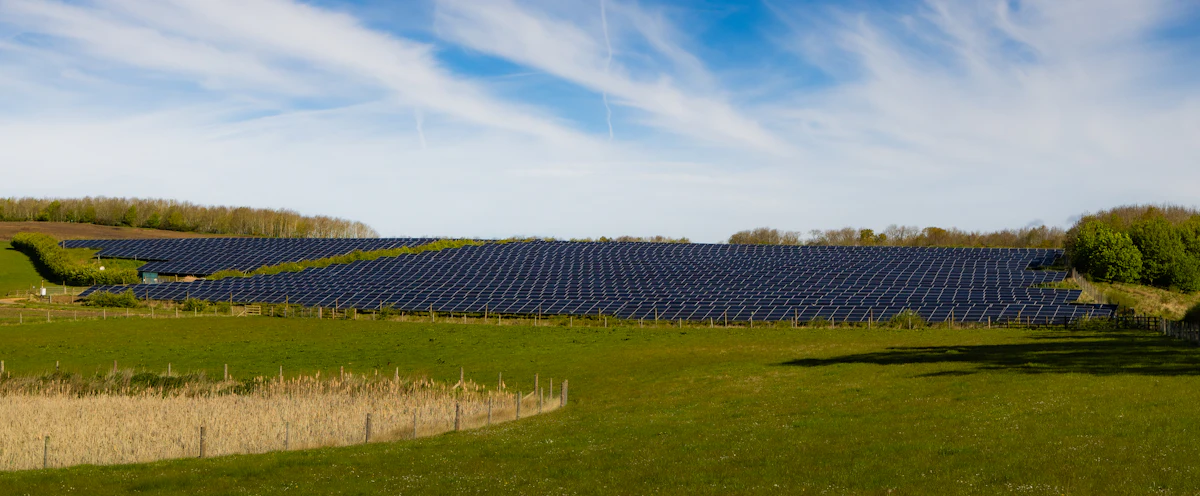
Top 10 States for Off-Grid Solar
Raw sunlight is the starting point, but the best off-grid states pair strong solar resource with off-grid-friendly laws and light building codes. Hawaii and California are very sunny, yet they drop out of the top picks because Hawaii heavily restricts off-grid living and California enforces strict building codes. With that filter applied, here's where a battery-based system is easiest to build and live with. The order weighs off-grid legality and building-code freedom alongside raw sun hours, so a sunnier state with stricter rules can rank below a slightly less sunny but more permissive one:
- Arizona (6.8) — The sunniest state on this list, with excellent incentives. Hard to beat for raw solar production. See Arizona.
- Wyoming (6.06) — Among the highest solar potential in the country, thanks to clear skies and altitude. No statewide building code makes off-grid builds straightforward. See Wyoming.
- New Mexico (5.9) — Excellent sun plus a solar property-tax exemption. See New Mexico.
- Nevada (5.9) — Strong solar resource and excellent incentives. See Nevada.
- Texas (5.25) — 230+ sunny days, a solar sales-tax exemption, and no statewide building code. No statewide net metering, which is fine for pure off-grid. See Texas.
- Utah (5.5) — A strong solar resource and a practical climate for batteries. See Utah.
- Colorado (5.3) — Plenty of sun, though rules vary widely by county. See Colorado.
- Montana (4.93) — High altitude helps output, and there's no statewide building code. See Montana.
- Idaho (4.92) — A 50% property-tax exemption for solar and an off-grid-friendly reputation. See Idaho.
- Oklahoma (5.0) — Solid central-plains sun and reasonable land prices. See Oklahoma.
Compare every state side by side on our states overview.
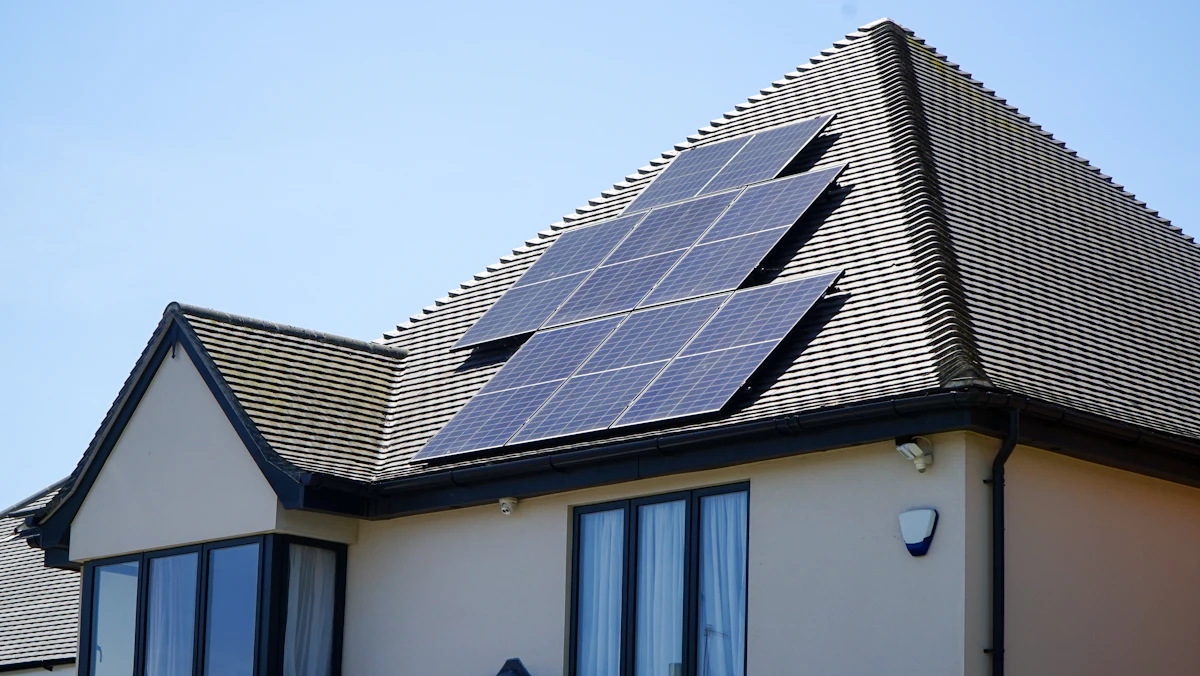
A Quick Word on System Sizing
Use peak sun hours to work backward from your daily energy needs. The rough steps:
- Estimate daily use. Add up the watt-hours your appliances consume in a day.
- Divide by peak sun hours. Daily watt-hours divided by your state's peak sun hours gives the minimum array wattage, before losses.
- Add a buffer. Inverters, wiring, dust, and panel heat shave off real-world output, so add roughly 20–30% headroom.
- Size batteries for the worst stretch. In low-sun states, plan for several cloudy days in a row, or keep a generator as backup.
In a 6-peak-sun-hour state, this all comes together with a modest array. In a 4-peak-sun-hour state, you simply need more panels and more storage to reach the same reliability. The sun does the heavy lifting, so a sunnier state lowers both your upfront cost and your long-term hassle.
How Building Codes Factor In
A great solar resource doesn't help much if local code makes an off-grid build painful. States with no statewide building code, such as Wyoming, Texas, and Montana, often give you the most freedom to build owner-designed systems and unconventional structures, especially in rural counties. For the full picture, see our roundup of the best states with no building codes.
If you're weighing off-grid solar as part of a larger relocation decision, our best states for homesteading in 2026 guide brings land cost, climate, water, and legal freedom into one view.
Frequently Asked Questions
Does net metering matter for off-grid solar?
Not for a true off-grid system. Net metering credits you for power you send back to the utility, which only applies if you're grid-connected. Off-grid setups store their own energy in batteries, so net metering is irrelevant. It only matters for grid-tied or hybrid systems where you keep a utility connection as backup. Note that Texas and Tennessee have no statewide net-metering program, which limits grid-tied payback but has no effect on pure off-grid living.
Which state has the best solar resource for off-grid?
By peak sun hours, Arizona leads at 6.8 hours per day, followed by Wyoming at 6.06. Both are excellent for off-grid solar. Wyoming stands out because it pairs among the highest solar potential in the country with no statewide building code, making it one of the most practical states for a battery-based, off-grid build.
Can I go off-grid in low-sun states like Washington or Vermont?
Yes, but you'll need a bigger system. States in the high-3 to low-4 peak-sun-hour range still support off-grid living. You just compensate with a larger panel array, more battery storage, and usually a backup generator for the darkest months. The hardware costs more up front, but it's done routinely. The trade-off is a larger investment in panels and storage to match the reliability you'd get more cheaply in a sunnier state.
Are Hawaii and California good for off-grid solar?
Both are very sunny at 5.5 peak sun hours, but each has a catch. Hawaii heavily restricts off-grid living, and California enforces strict building codes, both of which complicate a true off-grid build. They can offer excellent solar returns, especially for grid-tied systems, but for unplugged, battery-based living, the sunny and low-regulation states tend to be a better fit.
Figures on this page reflect 2026 conditions. Solar resource, off-grid legality, building codes, and incentives vary by county and change over time. Always verify current local rules and available incentives before buying land or equipment.

 Your brand here — Reach our audience of professional directory owners and boost your sales.