Best States for Homesteading in 2026
Compare the 10 best states for homesteading in 2026 on land price, taxes, building codes, off-grid laws, food freedom, and climate.
Written by Homestead Finder Editorial
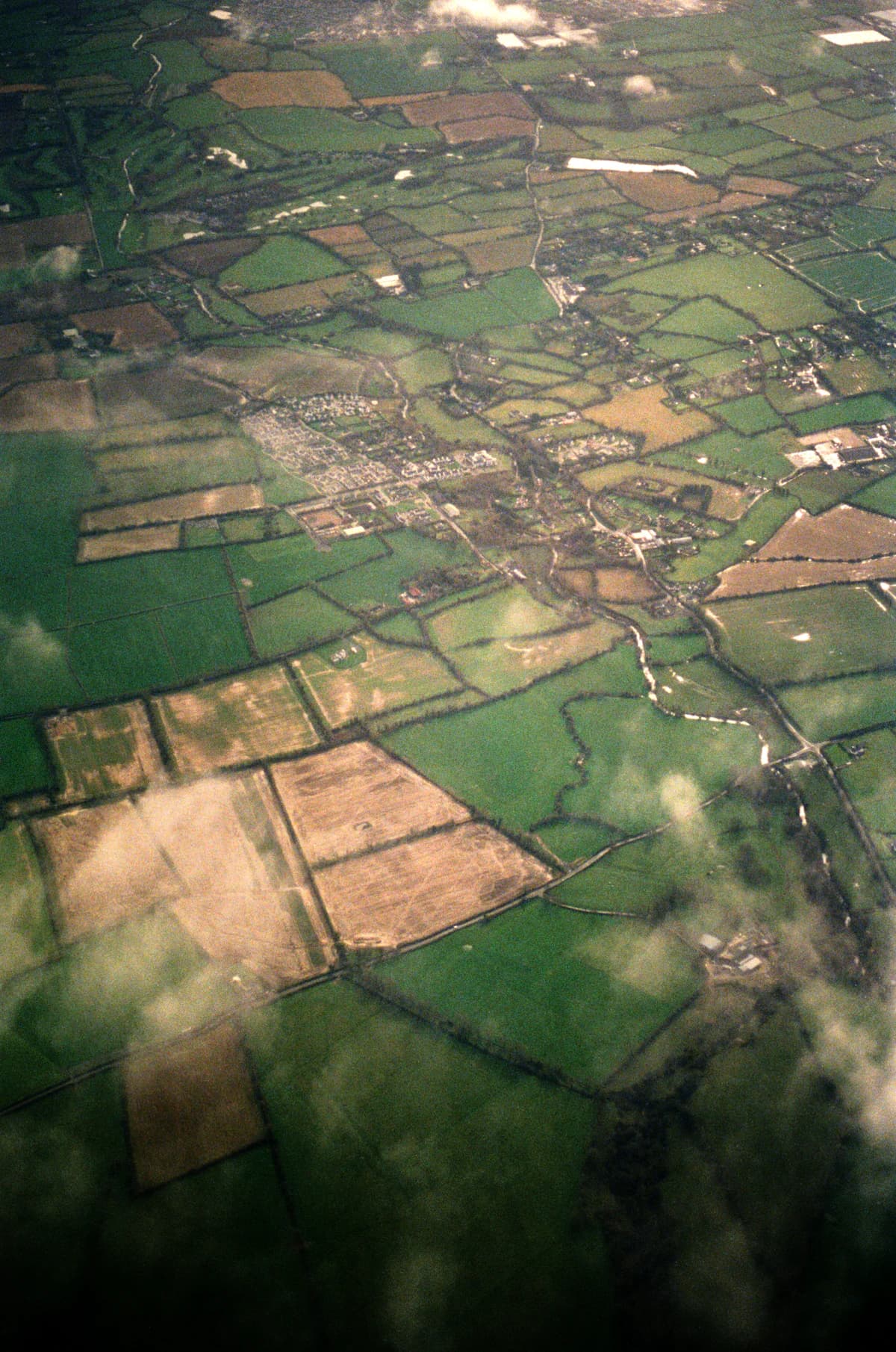
Choosing where to homestead is the single biggest decision you'll make before you break ground. The right state can save you tens of thousands of dollars on land, spare you years of permit headaches, and let you raise animals, sell your produce, and educate your kids the way you want. The wrong one does the opposite.
This guide ranks the 10 best states for homesteading on the factors that matter day to day: affordable land, low or no state income tax, minimal statewide building codes, off-grid living that's generally legal, homesteader-friendly food laws (cottage food and raw milk), light-touch homeschooling rules, and a workable climate with reliable water. No single state wins on every measure, so treat this as a starting point and weigh it against your own priorities.
A quick note: all figures here reflect 2026, and local rules vary enormously. A neighboring county can have completely different building, zoning, and septic requirements than the one you're eyeing. Always verify the specifics with the county before you buy. You can compare all 50 states side by side at Homestead Finder.
How We Ranked the Best Homesteading States
We weighted seven criteria:
- Affordable land — lower price per acre leaves more margin for infrastructure.
- Low or no state income tax — keeps more of your off-farm income working for you.
- Minimal or no statewide building codes — fewer mandatory inspections and permits, especially in rural counties.
- Off-grid living generally legal — solar, well, and septic setups that won't get you red-tagged.
- Food freedom — strong cottage food laws and legal raw milk so you can sell what you produce.
- Low regulation — light homeschooling rules and respect for self-reliance.
- Reasonable climate and water — a growing season and rainfall that support gardens, pasture, and livestock.
"Best" still depends on you. A retiree with cash for a deep well sees Wyoming differently than a young family that needs a long growing season and a nearby job. Use the ranking as a filter, not a verdict.
Best States for Homesteading 2026: Comparison Table
| Rank | State | Income tax | Land $/acre | Statewide building code? | Standout feature |
|---|---|---|---|---|---|
| 1 | Tennessee | None | ~$4,500 | Partial | No income tax + strong cottage food law |
| 2 | Texas | None | ~$2,970 | No | Unlimited homestead exemption |
| 3 | Missouri | Yes | ~$4,200 | No | No homeschool regulation, central location |
| 4 | Wyoming | None | ~$975 | No | Cheapest land + Food Freedom Act |
| 5 | Idaho | Yes | ~$4,180 | No | Retail raw milk sales legal |
| 6 | Montana | Yes | ~$1,230 | No | No sales tax, cheap land |
| 7 | South Dakota | None | ~$1,950 | No (local) | No income tax, affordable acreage |
| 8 | Kentucky | Yes | ~$4,800 | Partial | Reliable water, well-rounded |
| 9 | Arkansas | Yes | ~$3,500 | Partial | Ozarks homesteading culture |
| 10 | West Virginia | Yes | ~$3,200 | Partial | Deep Appalachian tradition |
The Top 10 Best States for Homesteading
1. Tennessee
Tennessee tops the list because it balances almost every factor well. There's no state income tax, the Tax Foundation ranks its business climate #8 in the country, and building codes are only "Partial" — many rural counties have none at all. The cottage food law is strong, letting you sell up to $50,000 a year from your home and at markets, and homeschool regulation is Low. Add Constitutional Carry, 50–60 inches of annual rain, a 200–230 day growing season, USDA zones 6a–8a, and roughly 67,000 farms, and you have a state built for self-sufficiency. Land runs about $4,500 an acre.
Watch out: The statewide violent crime rate sits around 600 per 100,000, but that's driven by Memphis and Nashville. Rural counties are far safer — focus your search there. For a deeper look, see our Tennessee homesteading guide.
2. Texas
Texas offers no income tax, a #7 business-climate rank, and no statewide building code. Its standout is the unlimited homestead exemption — the strongest creditor protection in the country, meaning your primary homestead generally can't be taken to satisfy most debts. The cottage food law is strong, carry is Constitutional, and with roughly 248,000 farms the land inventory is enormous. At about $2,970 an acre, prices are among the most reasonable on this list.
Watch out: Texas uses prior-appropriation water rights, so water access doesn't automatically come with the land. The west is hot and drought-prone, and rainfall swings from 20 inches out west to 55 inches in the east. Choose your region carefully.
3. Missouri
Missouri has no statewide building code and no homeschool regulation — about as light a regulatory touch as you'll find. Its business climate ranks #13, it has roughly 95,000 farms, and its central location makes hauling livestock and goods to market easy. With 40–50 inches of rain, a 170–200 day season, and land around $4,200 an acre, it's a solid all-rounder.
Watch out: Violent crime sits near 540 per 100,000, again concentrated in metro areas like St. Louis and Kansas City. Rural Missouri is a different world.
4. Wyoming
Wyoming is the value and freedom champion. It has no income tax, the #1 business tax climate in the U.S., no statewide building code, and the Wyoming Food Freedom Act — one of the broadest food-freedom laws anywhere, allowing direct producer-to-consumer sales of most homemade and farm products with minimal red tape. Land is the cheapest on this list at about $975 an acre, and carry is Constitutional.
Watch out: It's arid (10–15 inches of rain), the season is short (80–115 days), and it's cold (USDA up to about 5.5). Water access and finding affordable, usable parcels are the real constraints — budget for a well and irrigation.
5. Idaho
Idaho has no statewide building code, a #11 business rank, and no homeschool regulation. It's one of the states where raw milk is legal for retail sale, which opens a real income stream for dairy homesteaders. Carry is Constitutional and land runs about $4,180 an acre.
Watch out: It's arid (10–25 inches of rain), uses prior-appropriation water rights, and has a short season (120–160 days). As with the Mountain West generally, confirm water rights convey with the parcel.
6. Montana
Montana pairs no statewide building code with no sales tax and a #5 business rank. Land is cheap at about $1,230 an acre, carry is Constitutional, and the Montana Cottage Food Act supports home-based food sales.
Watch out: The season is short (100–130 days) and it's arid (12–20 inches of rain). It's a strong choice for grazing and hardy crops, less so for anyone needing a long, wet growing season.
7. South Dakota
South Dakota has no income tax, no statewide building code (codes are adopted locally), a #12 business rank, and cheap land at about $1,950 an acre. Constitutional Carry rounds it out. It's a quietly excellent option for low-cost, low-tax homesteading.
Watch out: It's cold (USDA zones 3a–5a) and gets drier as you move west. Match your crops and livestock to the climate, and weigh the eastern half's better moisture.
8. Kentucky
Kentucky is the well-rounded Appalachian/Bluegrass pick. Building codes are "Partial," there are roughly 75,000 farms, and water is reliable — riparian rights, 45–50 inches of rain, and a 180–210 day season. Homeschool regulation is Low, carry is Constitutional, and medical cannabis is legal. Land runs about $4,800 an acre.
Watch out: Prices are a touch higher than the cheapest states here, but the dependable water and long season justify it for many growers.
9. Arkansas
Arkansas brings a strong Ozarks homesteading culture and cheap land at about $3,500 an acre. Building codes are "Partial," homeschool regulation is Low, carry is Constitutional, and the cottage food law is broad. It's a natural fit for anyone drawn to wooded, hilly self-sufficiency.
Watch out: Violent crime sits around 579 per 100,000. As elsewhere, rural counties skew much safer than the statewide figure suggests.
10. West Virginia
West Virginia has cheap land at about $3,200 an acre, a #23 business rank, and a deep Appalachian homestead tradition. Carry is Constitutional, and herd-share arrangements make raw milk accessible.
Watch out: Homeschool regulation is Medium (more reporting than the lightest states), and the steep terrain limits how much of any given parcel is actually usable. Walk the land before you buy.
Honorable Mentions
- Oklahoma — no homeschool regulation and cheap land (~$2,880/acre), but higher crime statewide.
- Indiana — no homeschool regulation and a #10 business rank, but pricier land (~$8,800/acre).
- Alabama and Georgia — long growing seasons and cheap land, but both have statewide building codes to contend with.
Conclusion
There's no universal "best" state for homesteading — only the best state for your plan. For the most balanced all-rounder, start with Tennessee. If land cost and food freedom drive your decision, Wyoming and Montana are tough to beat. If creditor protection and land inventory matter most, Texas stands out. And if you need reliable water and a long season, Kentucky earns its place.
Don't stop at this top 10. Compare every state side by side on taxes, land price, climate, water rights, building codes, and off-grid laws at Homestead Finder's all-states comparison — then verify the details with the county before you buy.
Ready to go deeper? Browse our guides on the cheapest states to buy homestead land, the best states with no building codes, whether off-grid living is legal by state, and how to start a homestead.
Frequently Asked Questions
What is the cheapest state to start a homestead?
Among the states ranked here, Wyoming has the lowest land price at roughly $975 per acre, followed by Montana ($1,230) and South Dakota ($1,950). But cheap land in arid, short-season states often means spending more on wells, irrigation, and infrastructure. Factor in total setup cost, not just the purchase price. See our cheapest states guide for a full breakdown.
Which states have no statewide building codes?
Texas, Missouri, Wyoming, Idaho, Montana, and South Dakota (where codes are adopted locally) have no statewide building code, and Tennessee, Kentucky, and Arkansas are only "Partial," meaning many rural counties have none. Codes can still be enforced at the county or city level, so always confirm locally. More detail is in our no building codes guide.
Is off-grid living legal in these states?
Off-grid living is generally legal in all 10 states here, especially in rural counties. The catches are usually local: septic permits, well rules, and occasionally minimum dwelling requirements. Prior-appropriation water rights across much of the West (Texas, Wyoming, Idaho, Montana) are the most common surprise. Read is off-grid living legal by state before committing.
Do I have to verify county rules myself?
Yes. Statewide data gives you the big picture, but homesteading is governed at the county and sometimes township level. Building, zoning, septic, and livestock rules can change from one county to the next. Use the data here and on Homestead Finder to narrow your search, then call the county planning and health departments to confirm before you buy.

 Your brand here — Reach our audience of professional directory owners and boost your sales.