Best States for a Homestead Retirement (2026)
Retiring on a homestead? Compare the best states by income tax, senior property-tax relief, climate, healthcare access, and cost of living for 2026.
Written by Homestead Finder Editorial
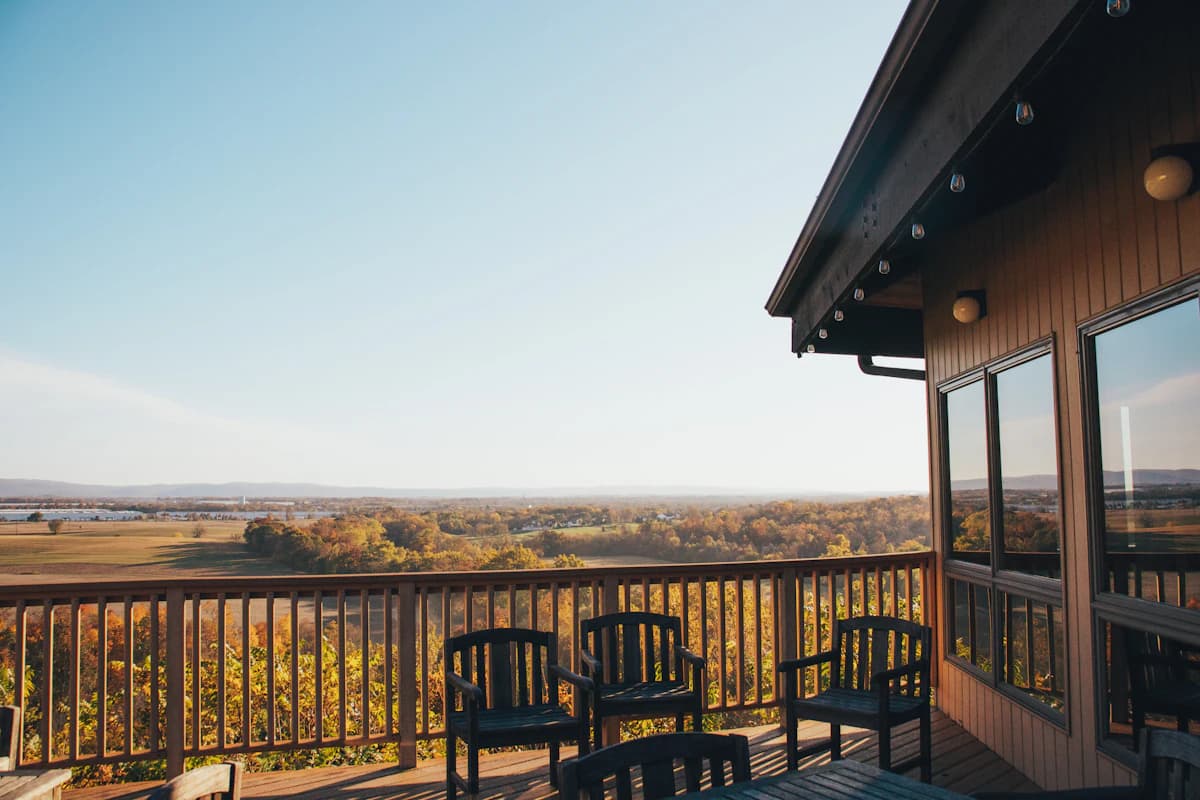
Retiring onto a homestead is a different calculation than starting one at 30. The land still matters, but the priorities shift: you want to protect a fixed retirement income from state taxes, hold down property taxes as you age, garden in a climate that does not fight you, and keep the cost of living manageable. You also want to think hard about how far you are from a hospital, because the right answer at 60 can feel very different at 75.
This guide ranks states for a homestead retirement by balancing four things that matter most in this phase of life: no or low state income tax, strong senior and disabled property-tax relief, a mild-to-manageable climate, and a low cost of living. You can compare every state on our states directory, and for a broader, non-retirement view, see our guide to the best states for homesteading in 2026.
What Retirees Should Weigh Differently
The features that make a state great for a young homesteader are not always the same ones that matter in retirement. Here is what moves up the list:
- No or low state income tax. This protects pensions, Social Security, IRA withdrawals, and any part-time income. Nine states levy no state income tax: Alaska, Florida, Nevada, New Hampshire (no wage tax), South Dakota, Tennessee, Texas, Washington, and Wyoming.
- Senior and disabled property-tax relief. Most states offer something for owners 65 and older, but the generosity varies widely. This relief can matter more than the headline income-tax rate once your earned income drops.
- Homestead exemptions. Strong creditor homestead protection shields your primary residence and land. Texas and Florida offer unlimited protection, Kansas protects up to 160 acres, Nevada protects $500,000, and Montana protects $250,000. See our full breakdown of homestead exemptions by state.
- A mild, manageable climate. Gardening gets harder on the body with age. A long growing season and gentle winters let you keep raised beds and a small flock going for more years.
- A low cost of living. A fixed income stretches much further in Mississippi, Alabama, Oklahoma, Tennessee, or South Dakota than in higher-cost states.
The Ranking: Best States for a Homestead Retirement (2026)
This ranking balances taxes, senior relief, climate, and cost of living. No single column wins it; the states near the top score well across the whole package.
| Rank | State | Income tax | Homestead / senior tax relief | Note |
|---|---|---|---|---|
| 1 | Florida | None | Unlimited homestead exemption + extra senior exemptions | Warm year-round (zones 8a-11), strong retiree infrastructure |
| 2 | Tennessee | None | Elderly/disabled property-tax relief program | Mild (zones 6a-8a), affordable, low cost of living |
| 3 | Texas | None | Unlimited homestead exemption + senior options | Long season (zones 6b-10a); manage water and heat |
| 4 | South Dakota | None | Senior relief available | Very low cost of living; cold winters |
| 5 | Wyoming | None | State homestead protection | Low cost, low crime; short season |
| 6 | Nevada | None | $500K homestead exemption | Warm, dry climate |
| 7 | Arizona | 2.5% flat | Senior property-tax freeze | Warm, dry low-desert climate |
| 8 | Georgia | 5.19% flat | $100K homestead exemption | Mild (zones 8a-9a) |
| 9 | Alabama | 5.75% top | Most generous relief for owners 65+ | Very low cost, long season (zones 7a-8b) |
| 10 | Mississippi | 5.0% top | $75,000 homestead exemption | Cheapest cost of living, warm |
1. Florida
Florida is the most complete package for a homestead retirement. There is no state income tax, the homestead creditor exemption is unlimited, and additional senior homestead exemptions reduce property taxes further for qualifying owners. The climate (zones 8a-11) supports year-round gardening, and the state's retiree infrastructure (healthcare networks, services, and an established 55-plus community) is hard to match. Read our Florida homesteading guide for the details.
2. Tennessee
Tennessee pairs no state income tax with a property-tax relief program for qualifying elderly and disabled owners. The climate is mild (zones 6a-8a), the cost of living is low, and the growing season is long enough for serious gardening without brutal summers or winters. It is one of the best balances of taxes, climate, and affordability on this list.
3. Texas
Texas offers no income tax and an unlimited homestead exemption, plus senior property-tax options that can freeze or reduce school-district taxes for owners 65 and older. The growing season is long (zones 6b-10a), but plan around heat and water: in much of the state, summer gardening means shade cloth, mulch, and a reliable water source rather than fighting frost.
4. South Dakota
South Dakota has no state income tax, a very low cost of living, and senior property-tax relief programs. The trade-off is climate: winters are genuinely cold, so lean on raised beds, a hoop house, and cold-hardy crops, and keep any livestock plans modest and well-sheltered.
5. Wyoming
Wyoming combines no income tax with a low cost of living and low crime, which appeals to retirees who want quiet acreage. The growing season is short and the winters are real, so this is a state where keeping the homestead small and the animal count low pays off as you age.
6. Nevada
Nevada has no state income tax and a $500,000 homestead exemption, one of the stronger protections in the country. The warm, dry climate is easy on the body and on garden infrastructure, though irrigation and water access are the central planning question rather than frost.
7. Arizona
Arizona is the exception that earns its spot despite having an income tax: it is a low, flat 2.5%, and the state offers a senior property-tax freeze that locks in the assessed value for qualifying older owners on a fixed income. The warm, dry low-desert climate allows year-round growing with shade and water management.
8. Georgia
Georgia offers a substantial $100,000 homestead exemption and a mild climate (zones 8a-9a) that supports a long, productive garden season. It does levy a state income tax, but the combination of strong homestead relief and an easy climate keeps it competitive for retirees.
9. Alabama
Alabama has one of the most generous property-tax relief setups for owners 65 and older, a very low cost of living, and a long growing season (zones 7a-8b). For retirees prioritizing low monthly costs and easy gardening over a zero income-tax headline, it is a strong pick.
10. Mississippi
Mississippi has the lowest cost of living on this list, a $75,000 homestead exemption, and a warm climate. A fixed retirement income simply goes further here, which can matter more day to day than the presence of a state income tax.
The Healthcare Caveat: Weigh Proximity to Care
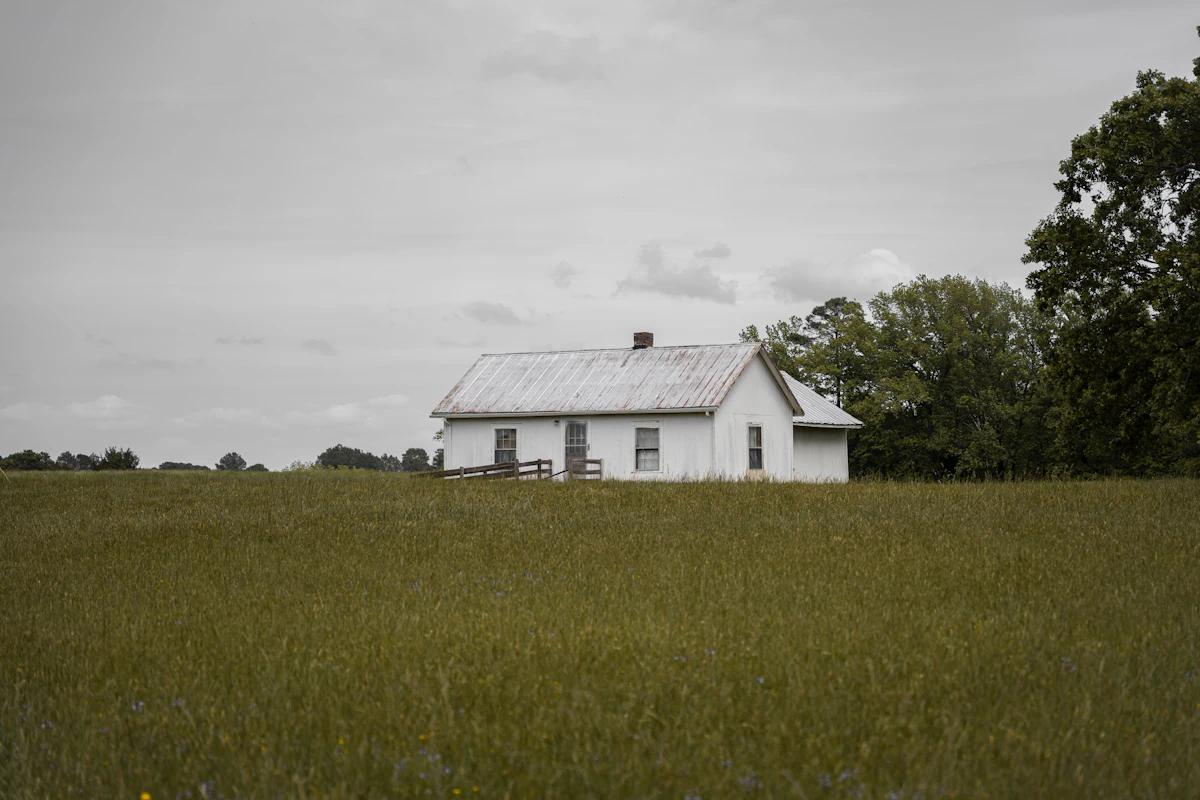
This is the honest counterweight to "cheap rural land." The most affordable, peaceful homestead counties are often the most remote, and remote can mean a 45-minute to two-hour drive to a full-service hospital, specialists, or emergency care. Many rural counties have lost hospitals or now have only a small clinic.
As you scale down physical workload with age, weigh medical access as seriously as taxes and climate:
- Map your nearest hospital and specialists before you buy, not after. Drive the route yourself.
- Consider a county seat or a property within reasonable range of a regional medical center, even if it costs a little more per acre.
- Factor in emergency response times, which run longer in remote areas.
- Keep the homestead manageable so the property itself does not become a health risk: raised beds instead of acres of row crops, fewer and smaller animals, and infrastructure you can maintain without heavy lifting.
A state can rank high on every tax and climate measure and still be the wrong fit if the parcel you choose is three counties from the nearest cardiologist. Treat the specific location, not just the state, as the deciding factor.
How to Use This Ranking
No two retirements look alike, so weight the columns to fit your situation:
- Drawing a large pension or making big IRA withdrawals? Lean toward the no-income-tax states near the top.
- House-rich and income-light? Senior property-tax relief (Alabama, Arizona, Florida, Tennessee, Georgia, Mississippi) may save you more than a zero income-tax rate.
- Want the easiest gardening into your 70s and 80s? Favor the warmest zones: Florida, Texas, Georgia, South Carolina, Alabama, and Arizona's low desert. (A few of these, like South Carolina, are strong climate picks even though they fall just outside our ranked top 10.)
- Stretching a modest fixed income? Mississippi, Alabama, Oklahoma, Tennessee, and South Dakota offer the lowest cost of living.
For a deeper look at the tax side of the decision, see our guide to the most tax-friendly states for homesteaders.
The Bottom Line
The best retirement homestead is the one that protects your income, keeps your property taxes and workload low, and sits within reach of the care you'll want later. Florida, Tennessee, and Texas lead our list by scoring well across all of it, but the right answer depends on your income mix and how much land you actually want to manage. If part of the plan is keeping a small flock for eggs, see our best states for raising chickens guide, and if you're hunting for low entry costs, our free land for homesteaders breakdown separates the real programs from the myths. When you're ready to go deeper on a front-runner, the Texas and Tennessee guides cover the details.
A Note on 2026
The figures here, including income-tax status, homestead exemption amounts, and senior-relief programs, reflect 2026. State legislatures adjust exemption thresholds and senior programs regularly, and property taxes are set locally and vary by county. Before you commit, confirm the current senior-exemption rules with the state's department of revenue and the specific county assessor where the land sits. An agricultural-use valuation, where available, can further lower the property tax on working acreage.
Frequently Asked Questions
Which states have no income tax for retirees on a homestead?
Nine states levy no state income tax: Alaska, Florida, Nevada, New Hampshire (which has no wage tax), South Dakota, Tennessee, Texas, Washington, and Wyoming. For a homestead retirement specifically, Florida, Tennessee, Texas, South Dakota, Wyoming, and Nevada combine that benefit with other retiree-friendly features and rank highest on our list.
Is no income tax always better than strong property-tax relief?
Not necessarily. If most of your retirement money comes from a pension or IRA withdrawals, a no-income-tax state protects more of it. But if you are house-rich and income-light, generous senior property-tax relief, like Alabama's setup for owners 65 and older or Arizona's property-tax freeze, may save you more each year than skipping income tax would. Weigh both against your actual income picture.
What is the best climate for gardening into older age?
Warmer zones make gardening easier on the body and extend the season. Florida (zones 8a-11), Texas (6b-10a), Georgia (8a-9a), South Carolina (7b-9a), Alabama (7a-8b), and Tennessee (6a-8a) all support long seasons, while Arizona's warm, dry low desert allows year-round growing with shade and water management. Raised beds and a small footprint keep any of these manageable as you age.
How important is healthcare access when choosing a homestead in retirement?
Very. Remote rural counties often mean long drives to hospitals and specialists and slower emergency response. Map your nearest medical facilities and drive the route before buying, and consider a parcel within reasonable range of a regional medical center even if it costs slightly more. The specific location matters as much as the state.

 Your brand here — Reach our audience of professional directory owners and boost your sales.