Best States for Homeschooling Families (2026)
Compare homeschool regulation across all 50 states in 2026. See which states give homesteading families the most freedom over curriculum and schedule.
Written by Homestead Finder Editorial
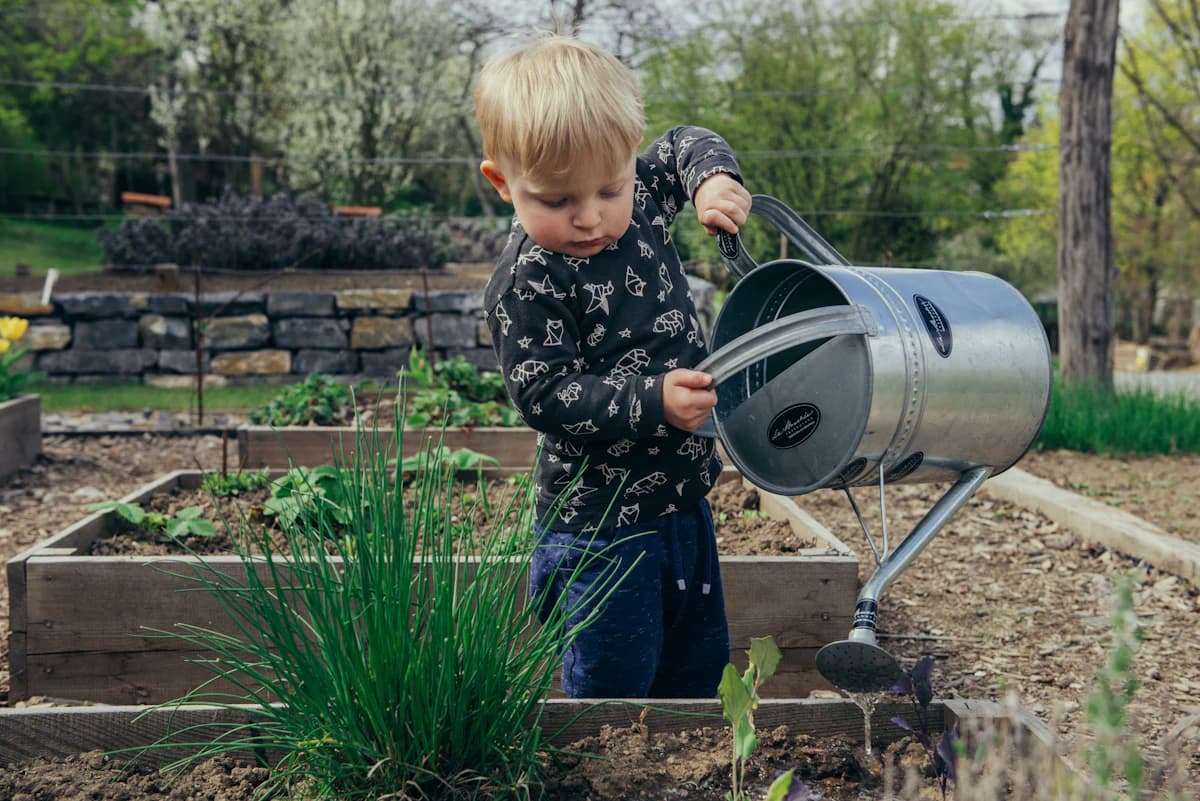
Plenty of homesteading families homeschool. The two go together naturally: if you are already building a life around your own land, your own animals, and your own schedule, teaching your kids at home is often the next logical step. But how easy that is depends a lot on where you live. Some states leave homeschoolers almost entirely alone, while others ask for a notice of intent, standardized testing, and ongoing recordkeeping.
This guide compares all 50 states by how heavily they regulate homeschooling, so you can weigh school freedom alongside everything else that goes into choosing a homestead state. Lower regulation generally means more control over your curriculum and your calendar, which matters when the school day has to flex around planting, harvest, calving season, or a long list of morning chores.

How states regulate homeschooling
Most homeschool rules come down to three things. Understanding these terms makes the comparison below much easier to read.
- Notification (notice of intent): A form or letter telling your school district or state that you intend to homeschool. Some states want it once; others want it every year.
- Standardized testing or assessment: A requirement to test your child periodically, or to have a qualified evaluator review their progress. Some states ask for this every year, others only at certain grade intervals.
- Recordkeeping or portfolio: Keeping attendance logs, samples of work, or a portfolio that may be reviewed by a school official.
The fewer of these a state requires, the more freedom you have over what you teach, how you teach it, and when. For a homesteading family, that flexibility is practical, not abstract. It is the difference between pausing book work during a busy week on the land versus scrambling to log hours or prep for a test.

Homeschool regulation by state (2026)
The table below groups states by overall regulation level. N marks states that require some form of notice; T marks states that require testing or a formal assessment. Levels are general summaries, not legal advice.
| Regulation level | States | Notice (N) / Testing (T) |
|---|---|---|
| None (freest) | Idaho, Indiana, Michigan, Missouri, Oklahoma, Texas | Neither |
| Minimal | Nebraska, Nevada, New Mexico, North Carolina, North Dakota, South Carolina, South Dakota, Utah, Washington, Oregon, New Hampshire | Light; some notice (Washington, Oregon); Oregon tests at intervals |
| Low | Alabama, Alaska, Arizona, Arkansas, California, Colorado, Delaware, Florida, Georgia, Illinois, Kansas, Kentucky, Montana, Tennessee, Wyoming | Mostly N; Colorado and Tennessee add some testing |
| Medium / Moderate | Iowa, Louisiana, Maine, Maryland, Minnesota, Mississippi, Ohio, Virginia, West Virginia, Wisconsin, New Jersey, Hawaii | N; many add T (Iowa, Maine, Minnesota, Ohio, Virginia, West Virginia, Wisconsin, New Jersey, Hawaii) |
| Moderate-High | New York | N + T + quarterly reports |
| High (most regulated) | Connecticut, Massachusetts, Pennsylvania, Rhode Island, Vermont | N; most add T; Pennsylvania adds portfolio review |
The least regulated states
Six states require no notice and no testing: Idaho, Indiana, Michigan, Missouri, Oklahoma, and Texas. You decide the curriculum, the schedule, and how you measure progress, with no form to file and no test to schedule. For a family running a working homestead, this is the simplest possible setup.
Several of these also tend to rank well for homesteading in general, which is worth keeping in mind as you compare. You can dig into the details on each state page:
Minimal-regulation states
The next tier asks for very little, usually a one-time or simple notice and generally no testing: Nebraska, Nevada, New Mexico, North Carolina, North Dakota, South Carolina, South Dakota, Utah, Washington, Oregon, and New Hampshire. A few details stand out: Washington involves some notice, and Oregon asks for notice plus testing at certain grade intervals rather than every year.
For homesteaders, several minimal states are popular picks because they combine light school rules with strong rural appeal. Tennessee, which sits in the Low tier with notice plus some testing, is a common choice; our Tennessee homesteading guide covers it in depth. Others worth a look:
Low-regulation states
Low-regulation states generally require a notice of intent and not much else: Alabama, Alaska, Arizona, Arkansas, California, Colorado, Delaware, Florida, Georgia, Illinois, Kansas, Kentucky, Montana, Tennessee, and Wyoming. A couple add testing or assessment on top of notice, notably Colorado and Tennessee. This tier still leaves you broad control over curriculum and pacing; the main difference from the freest states is paperwork at the start of the year.
Medium and moderate states
Here the requirements stack up. Medium and moderate states typically require both notice and some form of testing or assessment: Iowa, Louisiana, Maine, Maryland, Minnesota, Mississippi, Ohio, Virginia, West Virginia, Wisconsin, New Jersey, and Hawaii. Most of these pair a notice of intent with periodic standardized testing or evaluation. None of this makes homeschooling impractical, but it does mean planning around assessment windows and keeping better records.
The most regulated states
New York stands apart as moderate-high — requiring notice, testing, and quarterly reports — making it one of the most regulated states for homeschoolers in 2026.
The high-regulation group is Connecticut, Massachusetts, Pennsylvania, Rhode Island, and Vermont. Most require notice plus testing, and Pennsylvania adds a portfolio review. Homeschooling is fully legal in all of these states, but you should expect more documentation and oversight, and you will have less freedom to let the school schedule bend around farm work.

Matching school freedom to homestead goals
School regulation is one factor among many. Land prices, climate, growing season, water rights, property taxes, and zoning all matter when you are picking where to put down roots. The point of this comparison is to add homeschool freedom to that list rather than treat it in isolation.
A practical way to use it:
- Start with the states that fit your homesteading must-haves on the 50-state comparison.
- Cross-check each finalist against the regulation tier above.
- If two states are otherwise close, let school freedom break the tie, especially if you expect the school day to flex around heavy seasonal work.
If you are still early in the process, our guide on how to start a homestead walks through the broader decisions that surround a move like this.
Frequently asked questions
Which states are easiest for homeschooling families?
Idaho, Indiana, Michigan, Missouri, Oklahoma, and Texas are the freest, with no notice of intent and no testing required. Several also rank well for homesteading generally, which is part of why they come up often with land-minded families.
Do low-regulation states give worse education?
No. Regulation level reflects how much the state asks of you in paperwork and testing, not the quality of education a family can provide. Many families in no-notice states use rigorous curricula and assess progress on their own terms. Lower regulation simply gives you more control over how you teach and document.
Why does homeschool regulation matter for homesteaders specifically?
Homesteading runs on the seasons. Planting, harvest, and animal care can dominate certain weeks of the year. In low-regulation states, you can shift the school schedule around that work without worrying about logging hours or hitting a testing window. In more regulated states, you have to plan school around fixed requirements.
Is homeschooling legal in all 50 states?
Yes. Homeschooling is legal in every US state. What differs is the level of regulation, from no requirements at all to notice, testing, and reporting. The tiers above describe how much each state asks of you, not whether you are allowed to homeschool.
A note on these rules: Regulation levels reflect the general landscape as of 2026 and are summaries, not legal advice. Homeschool laws change, and the specifics, including notice deadlines, testing grades, and recordkeeping, vary within each tier. Always verify current requirements with your state department of education or the Home School Legal Defense Association (HSLDA) before you make a decision or file anything.

 Your brand here — Reach our audience of professional directory owners and boost your sales.